
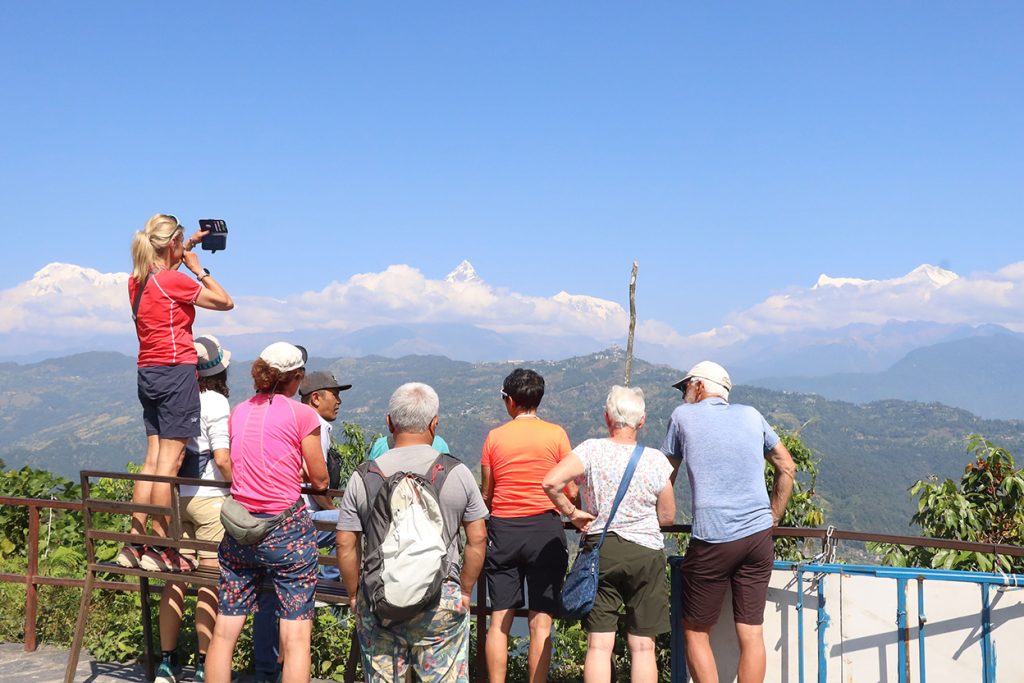
Tourist arrivals in March 2026 declined by one percent compared to 2025. The drop could have been larger.
However, a 21 percent increase in arrivals from India and other SAARC countries helped prevent a significant overall decline.
According to the Nepal Tourism Board, the country welcomed 120,516 tourists in March 2026, compared to 121,687 in March 2025.
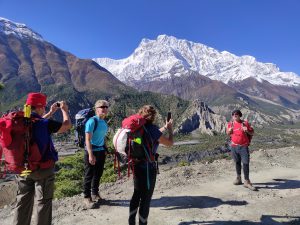
On the other hand, this season typically sees higher numbers of tourists from Western countries for trekking and mountaineering. Data shows a significant impact in this segment.
In March, 7,974 tourists arrived from the United States, down from 11,092 in March 2025, a decline of 28.1 percent.
A similar trend is seen in European arrivals. A total of 4,814 tourists from the United Kingdom visited Nepal in March, compared to 5,995 last year, a drop of 19.7 percent. Overall arrivals from Europe declined by 18.9 percent.
According to Nepal Tourism Board CEO Deepak Raj Joshi, the prolonged war in West Asia has directly affected tourist arrivals to Nepal, particularly those using the region as a transit route.
Joshi himself was stranded for a week at Doha airport due to the conflict. He had travelled to Germany via Doha but got stuck there because of the war. After completing his program in Germany, he returned to Nepal via New Delhi, India.
“Travel has become uncertain due to the war,” he says to Onlinekhabar. “This is likely to have a major impact on countries like ours.”
Spring is the peak season for mountaineering and trekking, when high-spending tourists visit Nepal and stay for longer periods. These sectors are major sources of tourism revenue.
At the same time, the issue of “fake rescue” has resurfaced in the tourism market, spreading negative news. Although the issue dates back some time, police have recently reopened the case and begun action, which has again contributed to a negative image of Nepal’s tourism sector in the international market.
Meanwhile, the impact of the war on fuel supply has made tourism services more expensive. Just last week, Nepal Oil Corporation significantly increased aviation fuel prices. With fuel costs doubling for both domestic and international routes, travel has become more expensive.
According to the Civil Aviation Authority of Nepal, the maximum airfare on the Kathmandu–Dhangadhi route has reached Rs 23,059.
“There are challenges in reaching the destination, and services have become more expensive. In such a situation, tourists may reconsider their travel plans, which is not good news for an economy like ours,” says Joshi.
Senior tourism entrepreneur Suman Pandey, who is close to the Rastriya Swatantra Party (RSP), said the government and tourism industry must work together to counter negative publicity surrounding the fake rescue issue.
He added that if the impact of the Iran–US conflict does not subside, Nepal must look for alternatives and focus on its positive aspects.
“Compared to many other regions in the world, our region is relatively peaceful. We can turn this into an opportunity,” he says. “We must find alternatives to minimise the impact of the war.”
Pandey also stressed that despite the challenges, quicker solutions can be achieved if the government and industry stakeholders work together.
Accordingly, the Nepal Tourism Board has already begun informing international stakeholders about alternative transit options.
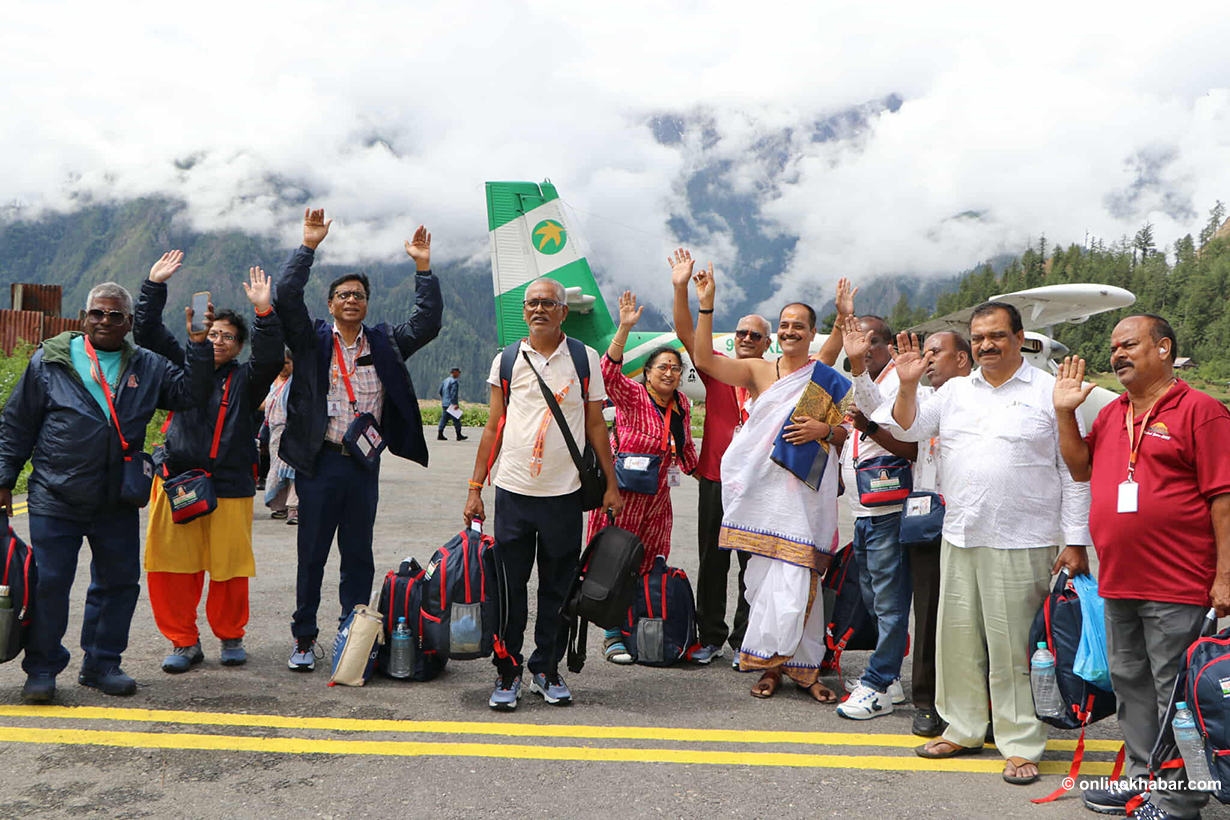
Currently, Turkey, Delhi, Hong Kong, and China are considered safe transit routes for travel to Nepal. The board is working on strategies to promote these routes to minimise the impact on arrivals. It is also focusing on attracting more tourists from neighbouring India and China.
“ASEAN countries, SAARC nations, and China are reliable source markets for us,” Joshi says. “As conflicts escalate in other regions, we will run campaigns to assure them that Nepal is a safe destination.”
Joshi also noted that apart from rising fuel prices, there is no significant negative domestic environment affecting tourism, which could help Nepal withstand external challenges.
Last week, the United States eased its travel advisory for Nepal. Previously considered high-risk, Nepal has now been placed in a category where travel is permitted with caution.
As US travel advisories are highly trusted in the global tourism market, this positive revision is good news for Nepal’s tourism sector.
Public holiday extension boosts domestic tourism
The tourism industry has welcomed the government’s decision to extend public holidays. The Cabinet has decided that government offices and educational institutions will now remain closed on Saturdays and Sundays.
Joshi said this would significantly boost domestic tourism.
“This is something we have proposed to the government multiple times,” he says. “It will generate good business for destinations near urban areas.”
According to Pandey, the decision will also improve the efficiency of government employees while giving them more time to travel, thereby benefiting tourism.
“Productivity was very low on Fridays,” he says. “Now, work will be done at full capacity for five days, and the two-day holiday will positively contribute to the economy.”