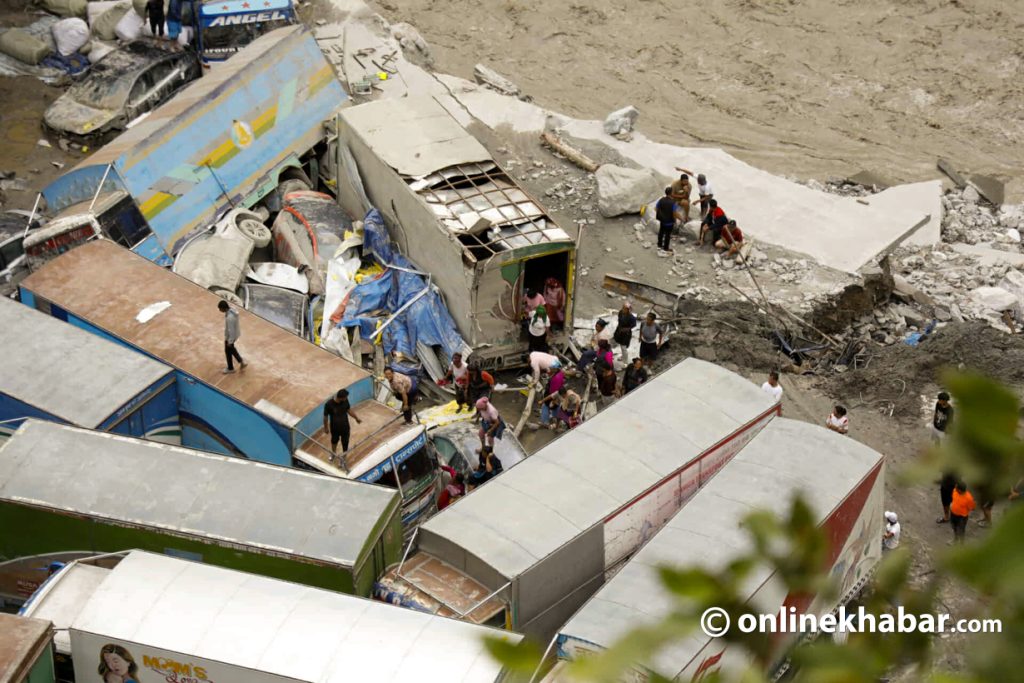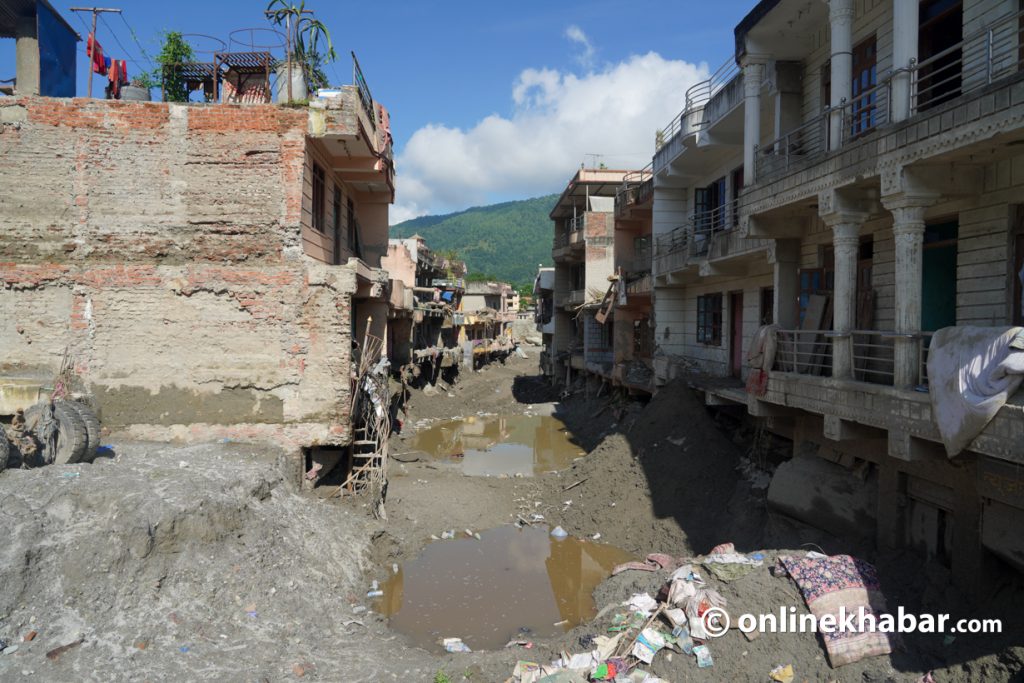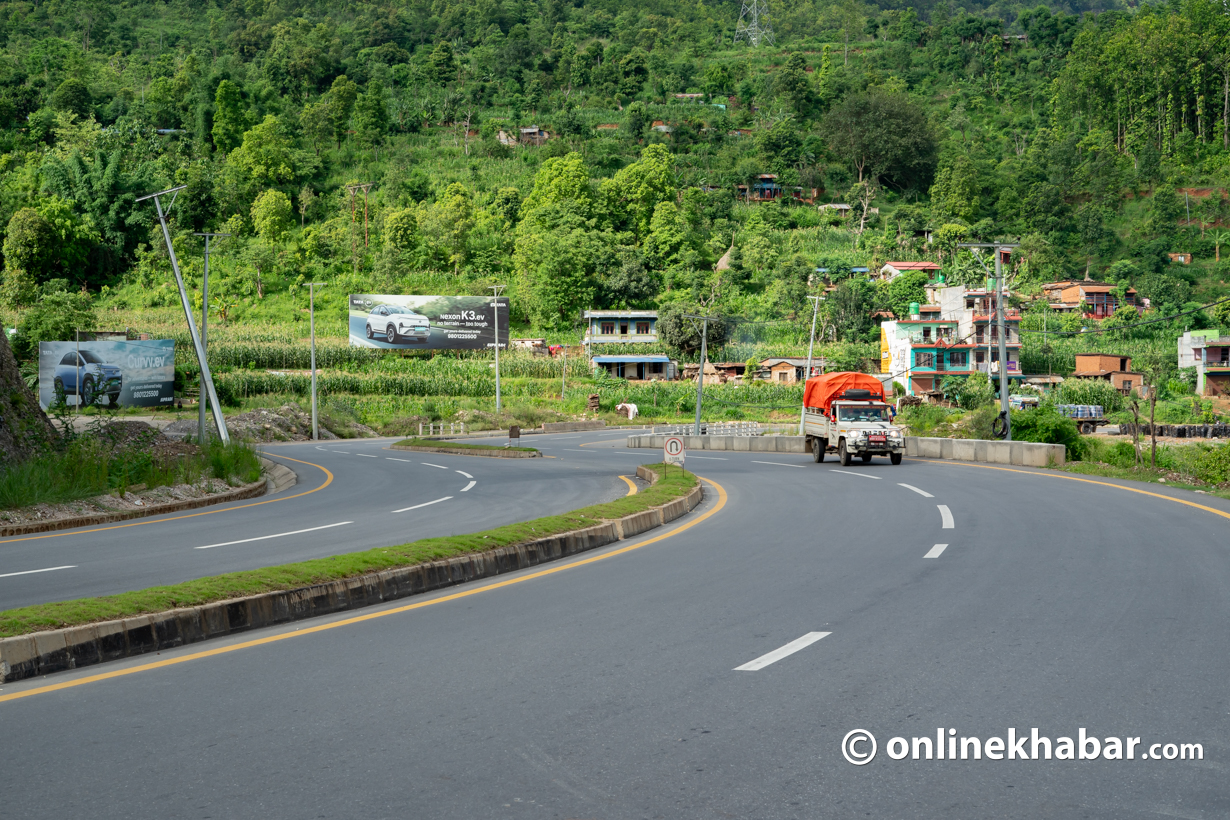

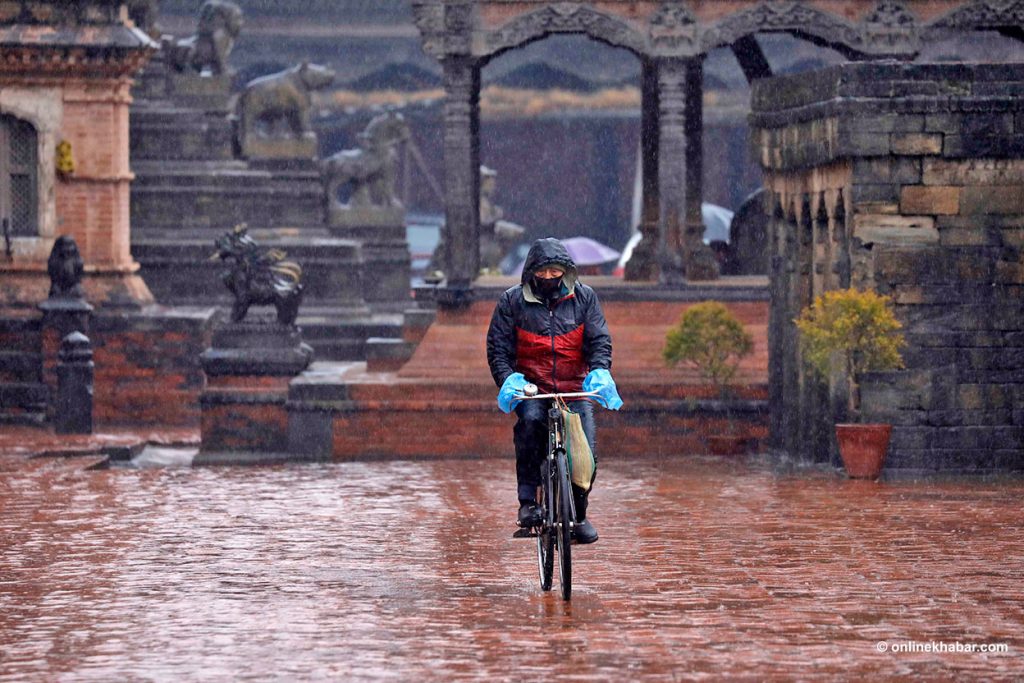
The months of March and April are normally considered the hottest time of the year in Nepal. But this year was different. It rained almost every day, giving the feel of the monsoon season having already begun, and people felt an unusual chill.
Why did it feel so cold even during the hot season? The simple answer is that it kept raining. But why did it keep raining? To understand that, we have to look all the way to the ocean.
According to meteorologists, the ongoing rainfall is due to an active pre-monsoon weather system, the period from March through May. This period is typically warm, but this year there has been repeated rain, hail, and snowfall all the way through March-April. Storms and lightning have also caused disturbances in some areas. Experts say this pattern is likely to continue into May as well.
Three main causes of the rainfall include active western disturbances, local wind systems, and moisture-laden air from the Bay of Bengal.
A western disturbance is a weather system that moves from west to east. It originates in the Mediterranean region and travels through Turkey, Iran, Afghanistan, and Pakistan before reaching South Asia. It brings cold, moisture-laden air that forms clouds over the Himalayan region, resulting in rain or snowfall and sometimes hail and storms.
Associate Professor Madan Sigdel of Tribhuvan University’s Central Department of Hydrology and Meteorology says, “After winter, the western disturbance became somewhat more active, and the recycling process of local winds and moisture also became active. That’s why rainfall amounts increased.”
Another meteorologist, Ujjwal Upadhyay, says a major storm (hurricane) in the Philippine Sea created an atmospheric system that brought rainfall not just to Nepal but to a large area including Indonesia, Sri Lanka, Thailand, Laos, and Vietnam.
He added that western disturbance effects are forecast to continue bringing rain to Nepal through Jestha.
Total rainfall during pre-monsoon
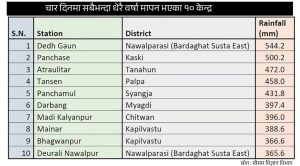
According to the Department of Hydrology and Meteorology, the average pre-monsoon rainfall across Nepal is 200–230 mm. In Kathmandu specifically, the average is around 100 mm, but by the last week of May, the city had already received 230 mm, nearly three times the normal amount. And with rain still expected in Jestha, the total will climb even higher.
Data from 1981 to 2025 shows significant year-to-year variation in pre-monsoon rainfall. The highest on record was 332.31 mm in 1990, while the lowest was 138.01 mm in 1992. Eastern Nepal typically receives more than double the rainfall of western Nepal during this period.
Benefits and drawbacks
Pre-monsoon rain is important for agriculture, particularly for maize cultivation and preparing for rice planting. The ongoing rains have also kept forest fires to a minimum. However, the repeated rainfall has made it difficult for farmers to harvest wheat and lentils, and hailstorms have damaged maize, bananas, and vegetable crops.
Officials from the Nepal Agricultural Research Council note that some farmers in the eastern Terai couldn’t even prepare their fields for mung bean and jute cultivation.
Some experts warn that soil already saturated from heavy pre-monsoon rain could increase the risk of landslides and floods when the monsoon arrives.
Drought feared during monsoon
Larger global systems, Pacific Ocean temperatures, Indian Ocean temperatures (IOD), and the jet stream determine Nepal’s monsoon patterns. Currently, the Pacific Ocean is warmer than average, indicating an El Niño condition, while the Indian Ocean Dipole is neutral. Based on this, the Department of Hydrology and Meteorology forecasts below-average rainfall and above-average heat during this year’s monsoon season.
Meteorologist Binod Pokharel has called this year’s El Niño situation “alarming,” warning that it could bring drought conditions to South Asia starting from June.
Senior meteorologist Min Kumar Aryal cautions that people must remain vigilant:
“Even after the monsoon arrives, there could be dry spells for several days, followed by heavy localised downpours. Such erratic rainfall can cause damage, so we must always stay alert,” he says.
Increasingly uncertain and sensitive weather system
In recent years, Nepal’s weather patterns have been shifting, rain failing to arrive when expected, some areas receiving extreme downpours while others experience drought.
Last year, parts of the Madhesh province were declared drought-affected even during the monsoon season. Experts say this instability may be linked to climate change and urge the development of updated climate adaptation plans.