

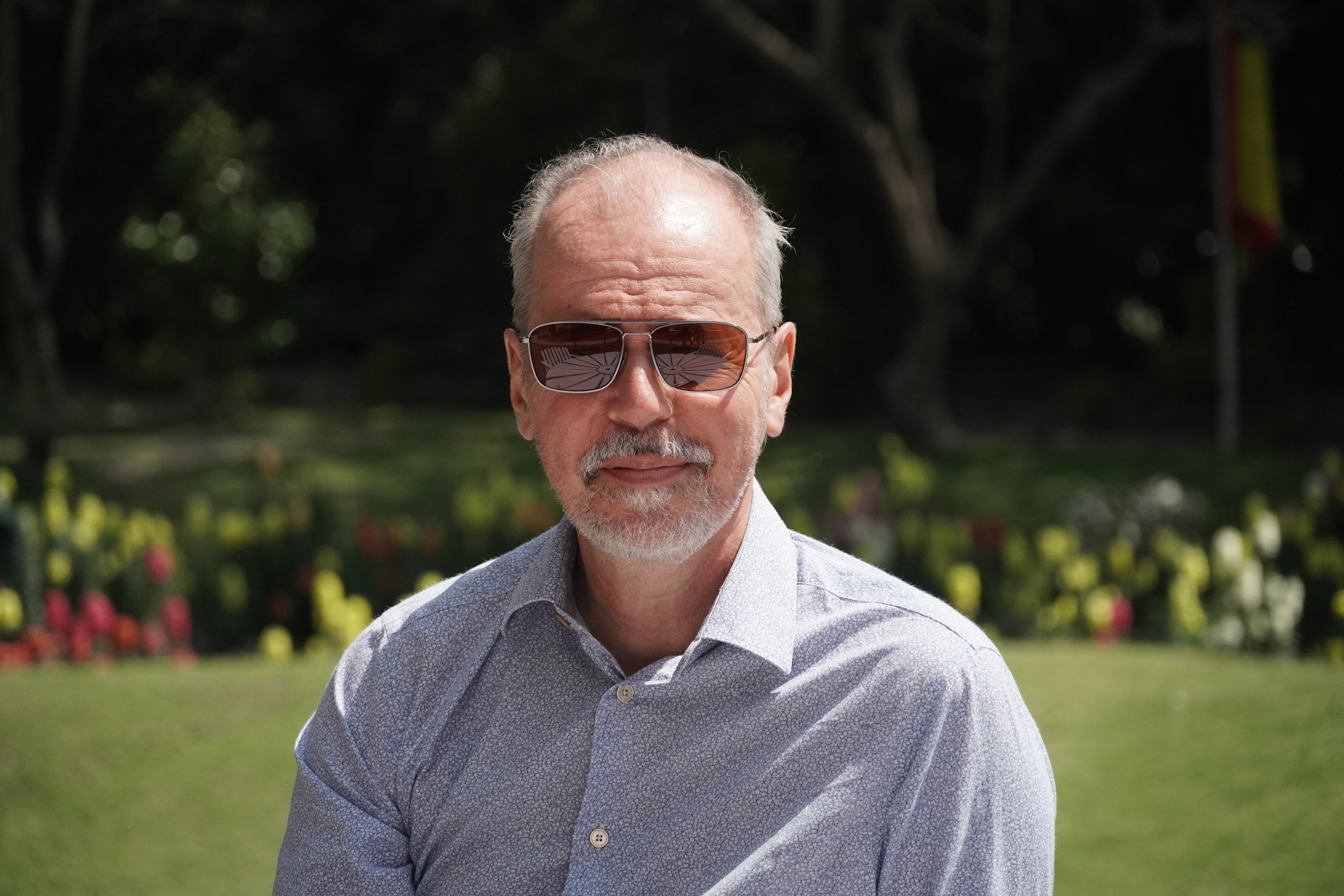
Charlie Taylor, Executive Producer of the BBC World Service and also a Series Producer of BBC World Questions, has spent over a decade bringing global audiences into political debates, public discussions, and cultural dialogues. Known for his award-winning work in radio, including the Mental Health Media Award, the Legal Reporting Award, and the Critics Circle Award for Best Programme, Taylor has led BBC teams on location around the world, producing content that resonates across platforms. In 2015, he created BBC World Questions, a live debate series that has since reached more than 60 countries and now extends to television and YouTube in addition to radio.
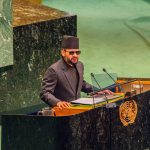
On April 7, BBC World Questions will come to Nepal, Kathmandu, bringing together a panel from various backgrounds. Panellists include Shishir Khanal, Nepal’s Minister for Foreign Affairs; Rakshya Bam, Coordinator of the Nepal Gen Z Front; Prakash Mahat, senior leader of the Nepali Congress and former Minister of Finance; and Mandira Sharma, Senior Legal Advisor at the International Commission of Jurists.
In a conversation with Onlinekhabar, Taylor discussed the enduring value of long-form journalism, the evolution of audience engagement in the digital age, and why Nepal is a timely and vital location for his program. He also offered insight for young journalists navigating the pressures of reporting in today’s world, underlining the importance of staying true to one’s values while embracing the opportunities of a changing media landscape.
You’ve worked across radio, TV, and live global events. What continues to excite you most about journalism today?
What excites me now is meeting people, hearing voices, listening to stories, and learning new things. It’s all about learning and communicating, and that’s always what has interested me; it’s what excites me today.
In the present context, I find that truth and trust are under pressure like never before. So, I believe journalism grounded in the values of editorial balance, open engagement, free speech, and speaking truth to power is incredibly important.
These values are crucial in today’s journalistic environment. What excites me now is doing this work, especially because it is under pressure. You can see that freedom of speech and democracy are facing challenges around the world.
You’ve worked extensively in radio. How has the transition to TV and YouTube changed audience engagement?
What I’d like to say is that when I first went to a country like Poland, we would hold a debate. You would hear people’s views in that country, capture them, put them on the radio, and that was it. You heard from the people, and the conversation ended there.
Now, when we go to Poland, we film it and put it on YouTube, and the debate continues. You watch the programme, and then you see how people react to it. You get hundreds of comments in English from people in Poland, as well as from those who have left the country. People from different generations engage with the published content. Various perspectives come in, and the debate becomes wider and richer.
So, it has been a great enabler of free speech and debate, YouTube in particular. We’ve also tried platforms like Twitter and others to encourage discussion, especially after the programme.
I often say to people on stage: if we didn’t ask your question, then we made a mistake. Go on YouTube and tell us about it. Tell everyone. Say, “They asked this question, but mine was better.” You can post it there, and the debate can continue.
Do you think long-form journalism still has a future in the age of short-form content?
I believe there will always be an appetite for long-form, in-depth journalism. There will always be a place for serious reporting. When the market shifts in one direction, there is often a reaction in the other.
Attention spans on platforms like YouTube may seem shorter, but we still see programmes that run for an hour or more, on topics like science, attracting millions of views. From personal experience, you’ll know that certain stories simply draw you in. So yes, there may be challenges, but audiences also seek diversity in content.
I can’t predict exactly how the media landscape will evolve, but my advice to journalists is to stay committed to what they truly believe in, while keeping an open mind about changing platforms. That openness creates opportunities to expand your skills and the possibilities of your journalism.
It’s also worth noting how content itself has evolved. What we produce now doesn’t exist in just one format. A programme that was once only on the radio can now be a YouTube video, a podcast, and a television broadcast. We create short clips, and others often take excerpts and share them across platforms. We even find our content circulating on TikTok without having posted it ourselves.
Now, we create content that can be reshaped and reimagined again and again. A short clip can lead audiences to the full programme, and smaller pieces become part of a larger whole.
So, I don’t see an end, or even a major threat, to long-form journalism. If anything, there are growing opportunities; they’re just taking new forms.
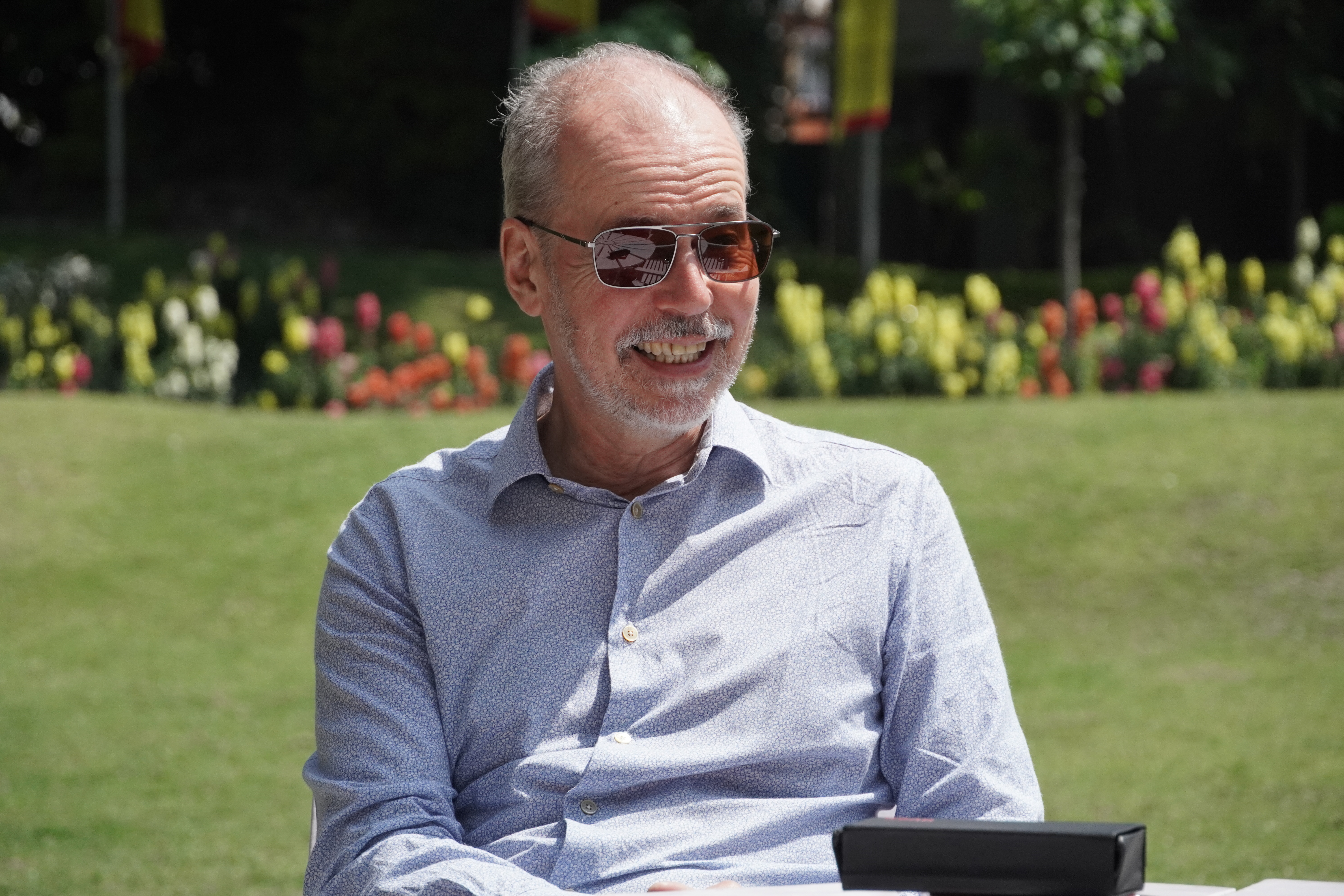
Now let’s talk about the BBC World Questions. What made Nepal an important location for BBC World Questions at this moment?
I think the main interest in doing it now is that Nepal is at a moment of change, and it’s a moment that holds significant interest for people around the world.
How did you choose the panellists? What were the criteria?
What I’d like to do is bring in a range of perspectives, not just different points of view, but also diversity in age and experience.
It was important to have a representative of the new government, as well as someone from the opposition, someone who contested the election from a different standpoint and has experience in governance. It was essential for us to include someone directly involved in the Gen Z movement.
We also wanted someone with high-level expertise in government affairs. In this particular case, I felt we would benefit from legal expertise, someone who is non-aligned, not affiliated with either the government or the opposition.
At the same time, we can’t assume that someone from the Gen Z movement will agree with the government on everything. They may align on some issues and disagree on others.
Overall, I wanted a balanced panel, an array of perspectives. Gender balance was also important, which is why we have two strong, intelligent women and two men on the panel.
Since there is a Gen Z representative on the panel, and the Gen Z protests have been a key factor behind Nepal’s recent political developments, we should not miss the opportunity to discuss it. Young people have led movements in many countries around the world. How do you view those movements in comparison to Nepal’s Gen Z movement? How is Nepal’s movement different from others?
In recent years, youth movements have taken place in many countries, including Bangladesh, Kenya, Morocco, Madagascar, and France. We were in Kenya in December, where young people took to the streets against a Finance Bill, and many were killed, similar to what happened in Nepal.
However, Nepal is the first country where such a movement was followed by elections through a constitutional process, leading to a new government that reflects the sentiments of young people. In Bangladesh, there was a change in government; in Madagascar, there was a coup. But in Nepal, a violent movement transitioned into a peaceful process, resulting in the formation of a new government.
That is why Nepal has now become an example, and a matter of global interest, especially for countries that have experienced similar movements. Nepal’s youth are now leaders on the world stage. The world is watching Nepal.
Regarding the panellists, there is no representative from the CPN-UML, whose chairman, KP Sharma Oli, was the prime minister during the Gen Z movement. Could you explain the reason behind this?
Yes, well, there’s always a reason to include someone else. We did speak to the CPN-UML about participating.
At one stage, before the election, we were in discussions with KP Sharma Oli and thought he might take part. Those discussions were very positive. However, the situation has changed since the election. Even before the most recent developments, he reconsidered his position and would have been unable to participate.
My concern is that this is not the only question. We are not setting up the debate to litigate one specific issue that Nepal faces, such as the tragic shootings in September last year. That is not what this debate is merely about.
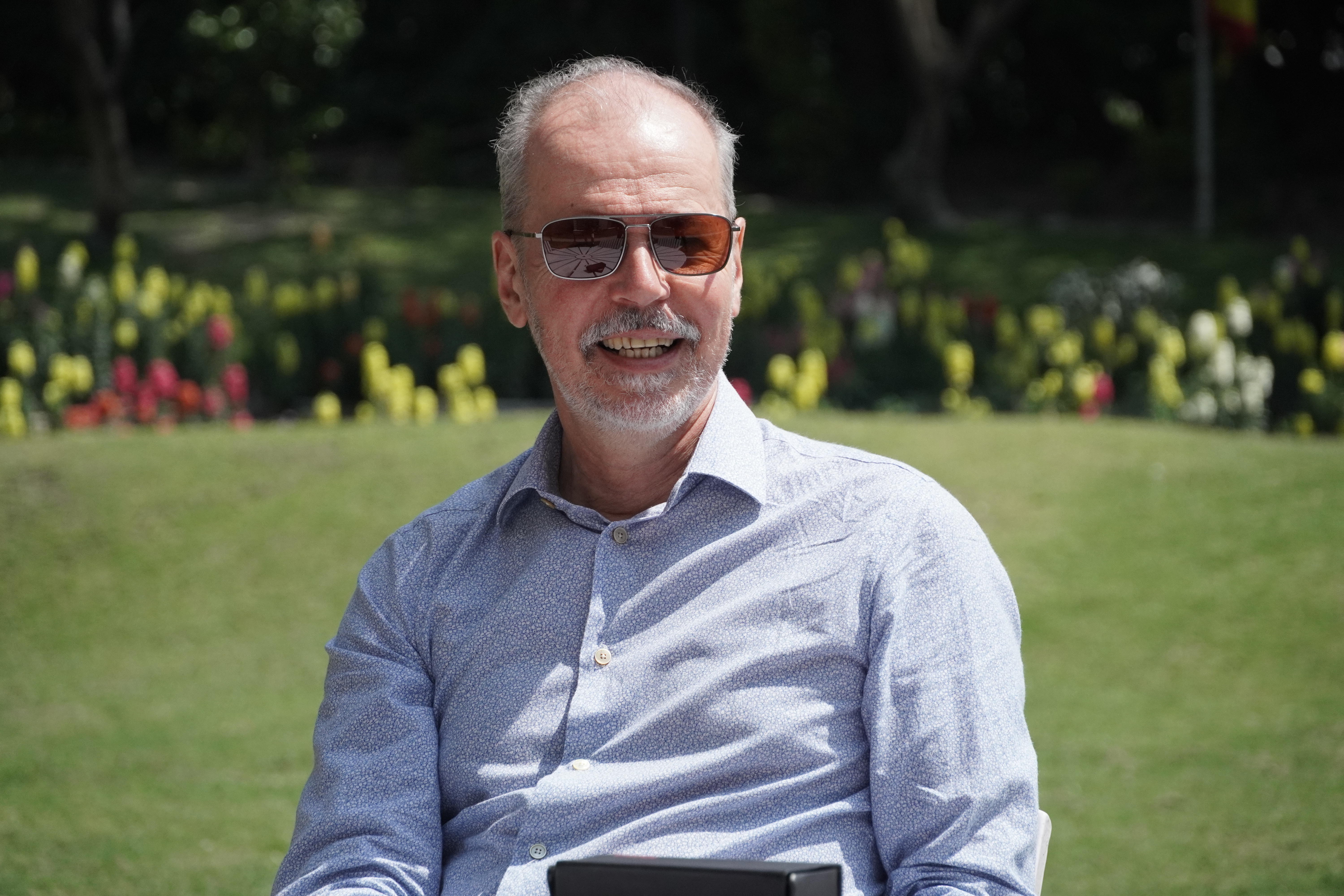
What kind of questions do you anticipate from the public during the BBC World Questions here in Nepal?
Basically, questions about the future of Nepal, and the most important issues for you in your country.
Lastly, as a journalist with over three decades of experience, what advice would you like to give to the young journalists?
The advice I would give is: work out what your values are as a person. That is quite hard to do; you might think it’s easy, but that’s part of what life is about. Once you understand your values, show them in your journalism.
Over a long career, if you stay true to your values, you will survive and have a career that is meaningful to you, which matters a lot. Sometimes, in journalism as in life, there’s an opportunity to take a shortcut. But in journalism, that can be a recipe for burnout. You need to remember who you are and what your ambitions were when you entered this profession. Keep learning, but stay true to your values; they will protect you from doing things you may later regret.
I wish anyone entering journalism a rich, warm, and exciting career. Journalism is really exciting, and we need good, truthful, honest journalism now more than ever. It’s an essential job for democracy.
I know journalists come under extreme pressure, from powerful interests trying to influence stories or from being criticised or demonised for reporting the truth. But if you know your story and know what you stand for, that will help you withstand that pressure. Just remember that you’re doing essential work for democracy. It may not always be recognised in the short term, but it will be understood in the long term.