


Have you started feeling uncomfortable during the summer? It is not only you. In recent years, Nepal, particularly in Terai and urbanising areas, has been experiencing a different and uncomfortable summer.
What was once perceived as a few uncomfortable summer days is now turning into a significant public health concern, socioeconomic distress, and an environmental issue. Extreme heat is no longer just a seasonal discomfort, but it is becoming a serious national concern.
A challenging summer reality
Traditionally, summer in Nepal was all about temporary discomfort that communities tolerated as part of the seasonal cycle. However, the nature of heat is changing rapidly. Rising temperatures, prolonged hot days, and warmer nights are now affecting not only the Terai but also major urban centres and mid-hill regions. Daily life, labour productivity, public health, water availability, and livelihoods are increasingly being disrupted. The intensity and duration of heat events have reached levels that can no longer be ignored.
Unlike floods, landslides, or earthquakes, extreme heat does not arrive with visible destruction. Nowhere can you see the damage, such as collapsed buildings or the inundated settlements that capture immediate attention. Yet, the impacts are often widespread, accumulated and deadly. The death rate data on the global side is threatening. Extreme heat thus has severe physiological stress on humans.
Prolonged exposure during extreme heat can lead to dehydration, heat exhaustion, heatstroke, cardiovascular complications, respiratory distress, and annoying chronic illnesses. Outdoor workers, farmers, construction labourers, transport workers, pregnant women, children, older persons, and individuals with pre-existing health conditions are particularly vulnerable.
Besides, heat also takes a toll on well-being, sleep quality and overall productivity. Hardly hit are the informal and daily wage workers due to the direct impact on their earnings because of reduced working hours. Given these contexts, extreme heat is a slow onset and silent disaster that has a gradual impact on human beings, livelihood and resilience.
Drivers behind rising temperatures
Climate change is often attributed as the primary driver of the increasing frequency and intensity of heat extremes globally. Although Nepal contributes only a negligible share to global greenhouse gas emissions, the country remains highly vulnerable to the impacts of climate change.
Climate change is further intensified by several local factors such as rapid and unplanned urbanisation, expansion of concrete buildings, reduction of open spaces and urban greenery. All these factors contributing to the loss of water bodies are contributing to the urban heat island effect.
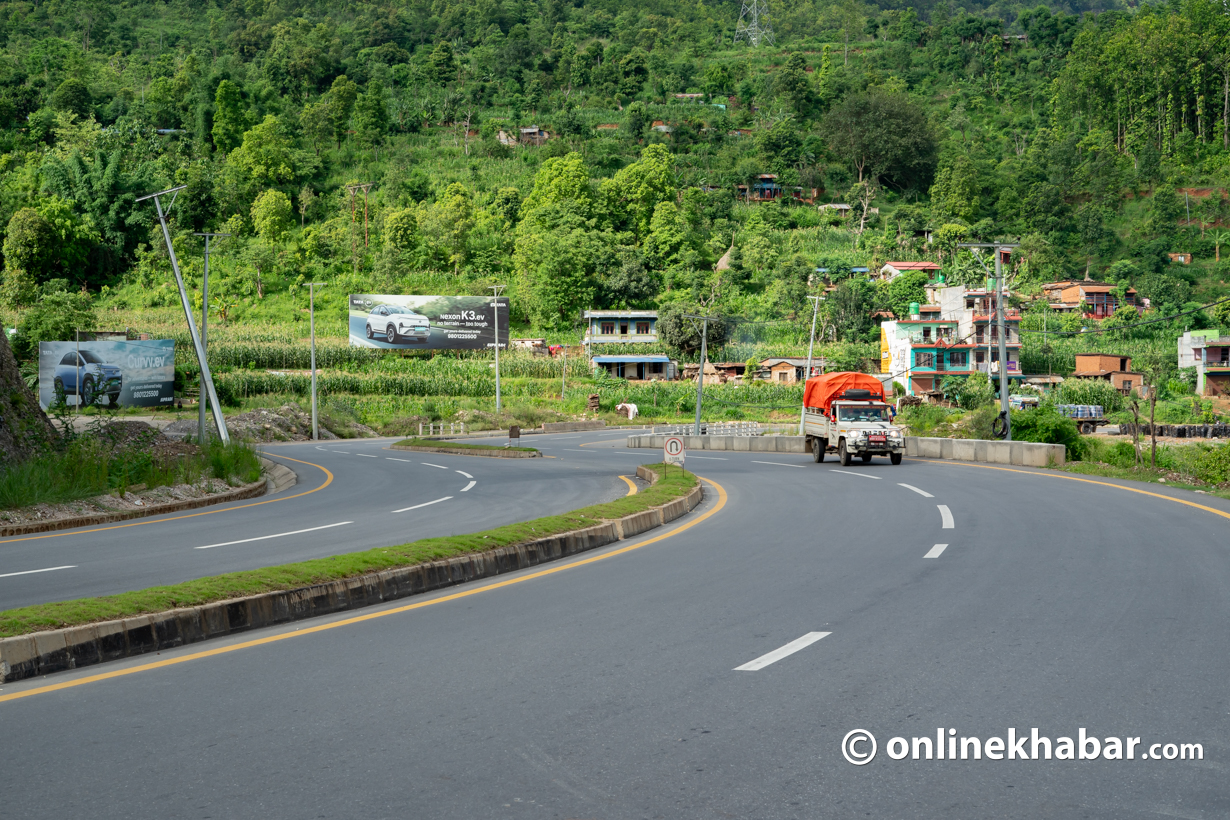
In many urban areas, surfaces such as asphalt and concrete absorb and retain heat, causing temperatures to remain elevated even during nighttime, technically termed as nocturnal heat. In addition, changing rainfall patterns, prolonged dry spells, deforestation, groundwater depletion, and increasing water scarcity reduce communities’ capacity to cope with rising temperatures. Together, these climatic and environmental changes are amplifying heat-related risks across the country.
The impacts of extreme heat are already becoming visible at the community level. Organisations working directly with vulnerable populations, including Mercy Corps, Practical Action, ICIMOD, CARE, World Wildlife Fund, Red Cross Society, and DanChurchAid, have reported increasing heat-related challenges among communities.
People are gradually adjusting their daily routines by avoiding outdoor activities during peak daytime temperatures, modifying working hours, and increasing awareness regarding hydration and heat safety. However, these coping strategies remain limited and insufficient in the face of intensifying heat conditions.
Communities are increasingly facing reduced agricultural productivity, crop stress, livestock health issues, declining labour efficiency, reduced household income, and growing health risks. Heat stress is also affecting food security and local economies, in Nepal particularly in climate-sensitive sectors such as agriculture and informal labour.
Importantly, Nepal’s existing inequalities make a significant contribution that shapes vulnerability to extreme heat. Marginalised populations, including low-income households, women, elderly populations, indigenous communities, and people living in poorly ventilated housing conditions, are disproportionately affected. Limited financial resources, inadequate access to healthcare, lack of climate-resilient infrastructure, and insufficient social protection mechanisms further increase their exposure and vulnerability.
A broader view of risk
Extreme heat should not be viewed solely as a public health issue. Its impacts are interconnected across multiple sectors and systems. Heat stress affects water availability by increasing evaporation rates, drying surface water sources, and intensifying groundwater depletion.
Agricultural systems suffer from moisture stress, reduced crop yields, declining soil productivity, and increased irrigation demand. Livestock productivity also declines under prolonged heat exposure. The energy sector experiences rising electricity demand due to increased cooling needs, often straining already fragile energy systems. Urban infrastructure, including roads and transportation systems, can deteriorate under prolonged extreme temperatures.
Educational outcomes may also be affected, as students struggle to concentrate in overheated classrooms lacking adequate cooling or ventilation and drinking water supplies. Furthermore, extreme heat can exacerbate existing inequalities, increase migration pressures, reduce economic productivity, and create cascading risks when combined with droughts, wildfires, water shortages, and air pollution. In this regard, extreme heat represents a multi-dimensional and systemic climate risk with far-reaching implications for sustainable development.
There are encouraging signs that heat risks are beginning to receive greater institutional attention in Nepal. Recent discussions reported in the national media suggest that the Government of Nepal has started acknowledging extreme heat as an emerging climate and disaster risk issue.
Annually, the National Disaster Risk Reduction and Management Authority (NDRRMA) convenes discussions with development partners to explore strategies for addressing escalating heat risks. This reflects a positive shift toward recognising extreme heat within national disaster risk reduction and climate adaptation agendas.
However, recognition alone is insufficient. Discussions must rapidly translate into evidence-based policies, institutional preparedness, financing mechanisms, and community-level action. Timely intervention is essential to prevent escalating social, economic, and health impacts in the coming years.
The need for a heat action plan
Nepal urgently requires a comprehensive and context-specific Heat Action Plan (HAP) at the national and local levels. A well-designed HAP can significantly reduce heat-related mortality, health impacts, and economic losses by strengthening preparedness and early response systems.
Such plans should include:
- Heat early warning systems and risk communication mechanisms;
- Public awareness campaigns on heat safety and hydration;
- Guidelines for schools, hospitals, workplaces, and local governments;
- Occupational safety measures for outdoor workers;
- Identification and protection of vulnerable populations;
- Urban cooling interventions, including green spaces and reflective infrastructure;
- Strengthened healthcare preparedness for heat-related illnesses; and
- Improved data collection, monitoring, and research on heat impacts.
Local governments, healthcare institutions, schools, civil society organisations, and communities all have important roles to play in operationalising these measures effectively.
The bigger picture
Extreme heat is no longer a distant or temporary issue. It has become an increasingly frequent and dangerous reality in Nepal and across the world. Its impacts go far beyond human health. The consequences are particularly severe for vulnerable populations who already face limited adaptive capacity and inadequate access to essential services.
Addressing this emerging climatic hazard requires coordinated and multi-sectoral action among government agencies, research institutions, development organisations, the private sector, civil society, and local communities.
Now, the urgent national priorities should be strengthening climate resilience, investing in adaptive and heat-resilient infrastructure, improving urban planning, and expanding green and open spaces. While doing so, the vulnerable population needs to be protected and integrating heat risk into disaster risk reduction and climate adaptation policies must now become a national urgency.