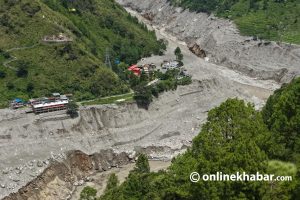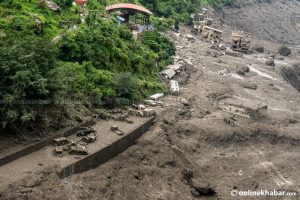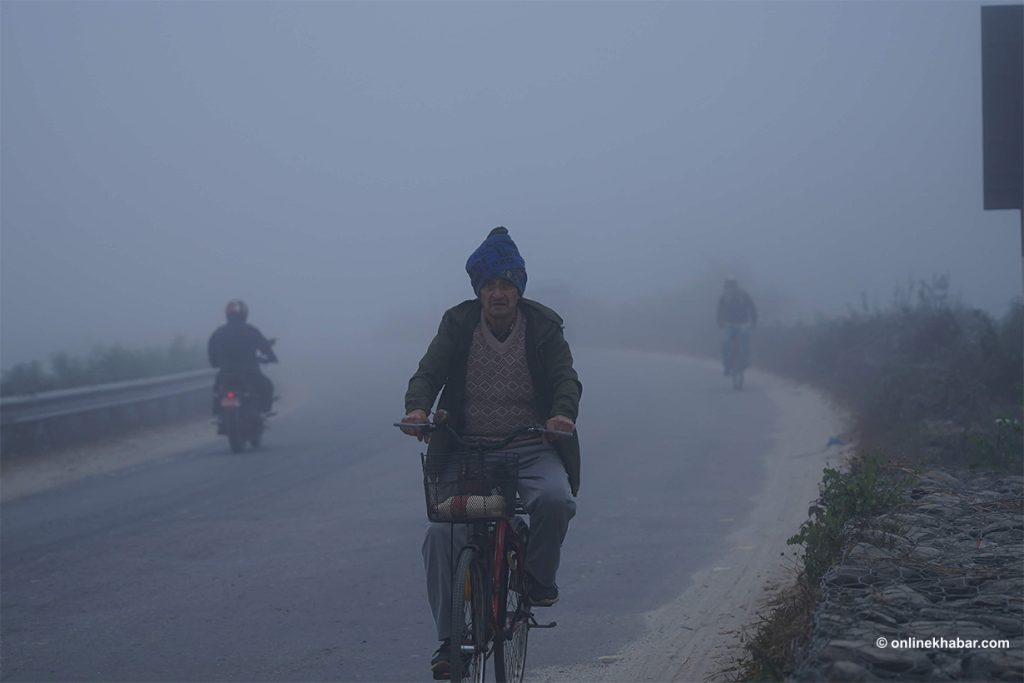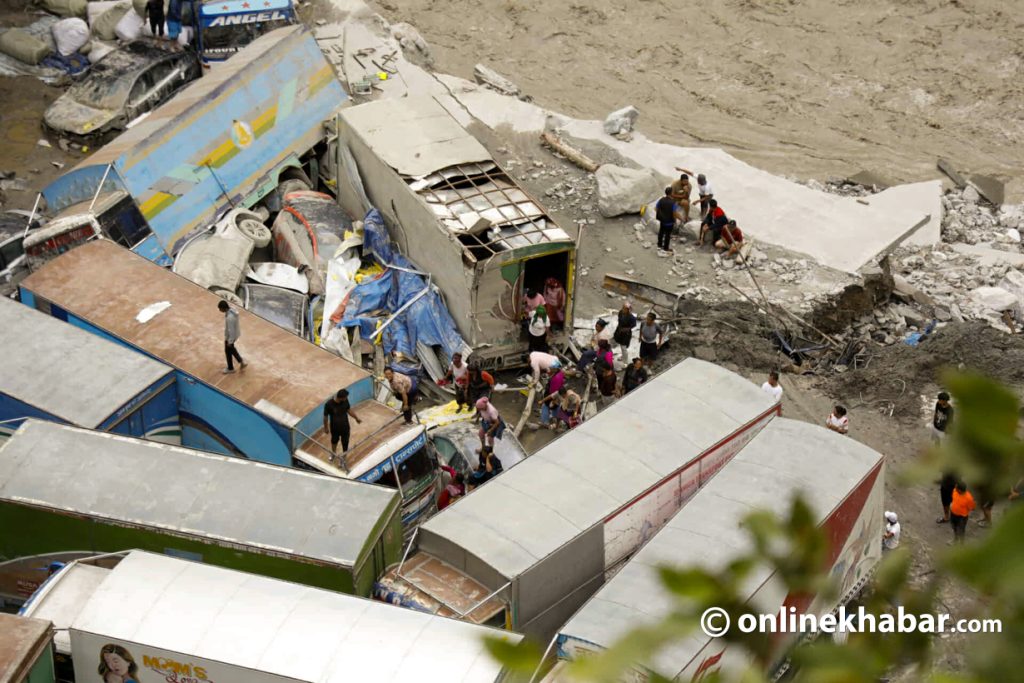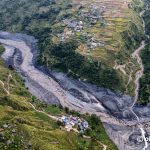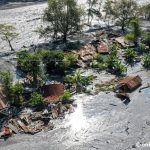

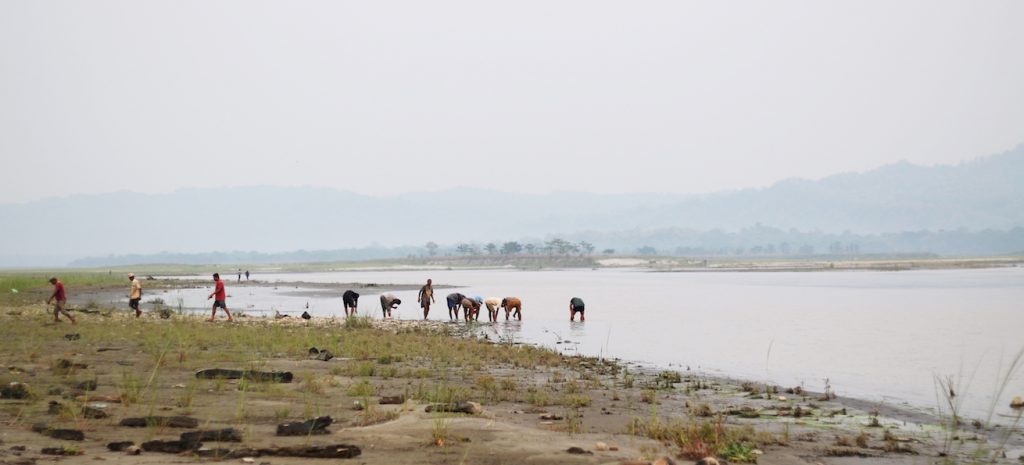
When you see a long line of the people waiting to collect water or read news headlines that read ‘Drought at planting, deluge at harvest leaves farmers reeling’ or ‘Landslides and floods damage property worth 11.81 billion’, climate change stops being an abstract concept. These are real excerpts taken from an article published in the Kathmandu Post on November 5, 2025 and The Annapurna express on January 29, 2025 respectively. Climate change is no longer a distant threat being discussed in international conferences, it is a lived reality that shapes our day-to-day lives.
The climate crisis in the 21st century is testing the resilience of ecosystems, economies, and communities, particularly in regions where geography and livelihood are closely tied to nature. Across Nepal and the world, people are adapting to a climate that no longer follows a predictable pattern. This is forcing societies to rethink development, infrastructure, and governance
While climate discussions often focus on health, agriculture and food supply chain and loss and damage one sector that remains underexplored in the policy discussions is the role of telecommunications in shaping narratives, developing effective disaster preparedness and response.
Nepal’s topographically diverse landscapes, especially in the Himalayan region, already faces difficulties in installing telecommunication infrastructure. The climate-induced disasters, ranging from glacial melts in the himalayan region to landslides in the hills and floods in the terai, especially with its increased frequency, have created damage to those infrastructures, making it highly challenging to restore them.
In a world highly reliant on communication for work, entertainment and daily essentials this disruption of services places immense strain on communities and public services. Telecommunication networks however are not just vulnerable infrastructure, they are powerful enablers of resilience. It holds the power to support climate action, disaster preparedness, and aid sustainable development.
Nepal Telecom (NT) has actively supported Early Warning Systems (EWS) for disaster preparedness, often partnering with the Department of Hydrology and Meteorology (DHM). Since signing an agreement with DHM in 2016, Telecom has been delivering free mass SMS alerts to disaster prone areas and providing real-time weather and flood warnings based on customer location data. These services are being provided by NT free of cost. During the 2017 floods, text message alerts sent through telecom operators NT and Ncell led to the evacuation of over 4,000 people in the Babai river area alone.
NT has been diligently working on making communication services affordable and accessible to the public even in the remotest area of the country. While other private telecommunications companies use terrestrial infrastructure, NT deploys Very Small Aperture Technology (VSAT) technology aiming to provide mobile services in very remote areas as a backhaul to Global System for Mobile Communications (GSM) services in the areas where fiber and microwave links are not feasible.
Taking the case of the powerful earthquake occurred on 25 April 2015, with magnitude of 7.6 followed by around 300 aftershocks, Nepal suffered an immense loss in terms of lives and infrastructure. Most of the buildings of Ministry of Information and Communications and related agencies, telecommunication operators, internet service providers, postal sector, television broadcasters, newspapers, radio broadcasters, Federation of Nepal Cable TV Providers were fully and partially damaged in the affected districts. Network congestion and downtime were experienced during the period of earthquake and aftershocks.
In such cases, NT has a potential to increase its impact by focusing on cell broadcast to send short messages to all mobile phones in a specific geographic area defined by cell towers. It simultaneously broadcasts alerts to thousands of devices without needing phone numbers or subscriptions, using dedicated network channels. It works on 2G to 5G, reaching even idle phones or during congestion making it an efficient means for circulating timely information. Additionally, cell broadcast uses precise geo-fencing by cell towers which means no phone numbers are required, preserving privacy while SMS relies on registered lists, lacking native location precision.
Nepal Telecom (NT) focuses on operational sustainability in the climate sector beyond early warnings, emphasizing energy efficiency and green infrastructure. NT deploys solar-hybrid power systems at remote base stations to cut diesel use and emissions, aligning with NTA’s Green Telecom Policy. This reduces the sector’s carbon footprint significantly.
Climate change has emerged as one of the greatest development challenges that undermines decades of progress in poverty reduction, health, and food security, particularly for developing nations. The crisis requires integrated responses that align climate action with social development goals and equity and inclusion. The impacts of climate-induced disasters are disproportionate, and climate impacts are often felt most acutely by remote and marginalized communities. In this context, investing in green and resilient communication systems are not just a technological choice but a matter of climate justice.
While climate change presents a global challenge, it also offers an opportunity to rethink how we grow and innovate. There is a need to pursue adaptation and mitigation parallel to act quickly and collectively enough to secure a sustainable future. In this regards, Nepal Telecom is not just positioned as a service provider but as a key enabler of climate resilient development in years to come.