
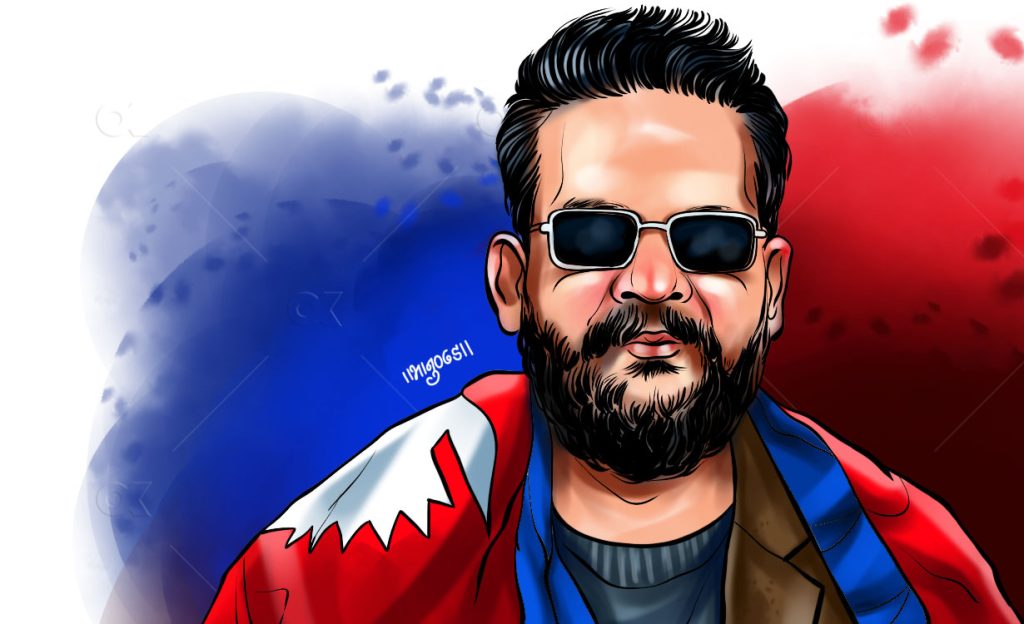
In an era where politics is no longer driven solely by ideology but by perception management, algorithm warfare, and emotional branding, Balendra “Balen” Shah stands as a compelling case study in strategic execution.
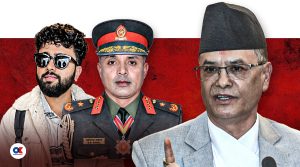
From rapper and structural engineer to Kathmandu mayor and, by 2026, Nepal’s prime minister, Shah’s rise was shaped through calculated marketing, branding, and psychological techniques that transformed scarcity into power and silence into spectacle. His strategy, rooted in the “less talk, more delivery” archetype, contrasted sharply with the faltering approaches of veterans such as KP Sharma Oli and fellow independent figure Harka Sampang Rai.
While Shah cultivated a Teflon-like brand of quiet competence, others clung to outdated rhetoric or raw confrontation, exposing the risks of poor media strategy in Nepal’s hyper-digital political landscape.
His team appeared to craft an anti-establishment persona around him: the “doer who speaks less.” Shah carefully managed his public visibility, often relying on brief yet sharp messaging. In May 2026, he skipped a major policy meeting, further fuelling public speculation during Nepal’s politically charged atmosphere.
As one analyst observed, the strategy created public anticipation: “Janatama Balen le kahile bolchan Bhanne bhok jagaunu” — awakening a hunger among the public for when Balen would speak next. The result was viral speculation and carefully timed “punchline” moments aimed at the old political establishment without overexposure.
This scarcity principle, rooted in psychology’s FOMO (fear of missing out), mirrored the “Silent Cal” persona of former US President Calvin Coolidge, a comparison made in several Nepali analyses. Like Coolidge, Shah projected stoic discipline, allowing actions such as urban clean-up campaigns and anti-encroachment drives in Kathmandu to speak louder than speeches.
Social media became Shah’s most effective political tool. Bypassing traditional Nepali media gatekeepers, he announced major decisions directly to millions of followers on Facebook. Memes, rap-based clips, and real-life enforcement footage reinforced his engineer-rapper identity—authoritative yet relatable.
Rather than relying on aggressive political attacks, he cultivated “brand empathy” through visuals of playing cricket, interacting with ordinary citizens, and maintaining a relentless anti-corruption stance. Core symbols and slogans were repeatedly reshaped to strengthen the outsider narrative. These tactics, social proof through user-generated content, emotional branding against elite “dalals,” and algorithmic optimisation, helped mobilise youth voters and elevate his mayoral success to the national stage.
Global parallels are evident. Donald Trump’s repetitive “fake news” rhetoric and outsider branding generated emotionally driven loyalty through repetition, while Narendra Modi’s digital outreach and personalised messaging fused nationalism with targeted perception-building. Shah adapted similar techniques to Nepal’s context, where urban Gen Z virality compensated for lower digital literacy in rural areas, proving that politics has increasingly become a form of “algorithm warfare.”
In contrast, KP Sharma Oli represented the declining effectiveness of traditional political branding. The veteran CPN-UML leader relied heavily on party loyalists, coalition politics, and state-backed narratives. His politics of transaction gradually fuelled public frustration among citizens seeking a different style of leadership. Oli’s 2025 social media ban, officially framed as a measure against misinformation, was widely criticised as censorship, particularly by Gen Z protesters who later contributed to the downfall of his government amid allegations of cronyism and governance paralysis.
Unlike Shah, who rendered traditional media less relevant through direct digital communication, Oli’s camp remained dependent on legacy platforms and continued defensive messaging even after resignation, further fuelling narratives of political vendetta. Psychologically, this overexposure without renewed authenticity produced distrust rather than engagement. Branding studies consistently show that repetition without credibility weakens public trust; Oli’s unfulfilled promises and increasingly conservative posture became symbols of elite detachment rather than emotional connection.
The failure of Harka Sampang Rai
Harka Sampang Rai, Dharan’s once-celebrated independent mayor, offers a closer yet cautionary parallel. Like Shah, he rose through anti-establishment grassroots politics, voluntary labour campaigns for water projects, youth mobilisation, and anti-drug initiatives. However, his branding gradually shifted toward divisiveness. Unfiltered Facebook posts targeting rivals and controversies surrounding procedural transparency, spending, and legal disputes fractured public support.
Sampang’s recent use of Shah’s minor daughter’s photograph in political propaganda during protests related to squatter politics sparked backlash over ethical violations and media exploitation without consent. Where Shah’s team carefully curated scarcity and consistency, Sampang’s confrontational style intensified social division and scrutiny over governance opacity. Public audits and criticism increasingly painted his political movement as unstable, promising self-reliance while appearing chaotic in execution.
From a psychological perspective, the problem stemmed from a breakdown of reciprocity and trust. Voters admired activism, but not endless public feuds. Although his Shram Sanskriti Party gained limited local traction, it failed to expand nationally. The contrast revealed a critical lesson: action alone may inspire admiration, but without disciplined perception management, it rarely translates into sustained political mandate.
The accountability gap in Nepal’s media and branding culture
Nepal’s media and branding ecosystem frequently mirrors these political shortcomings, exploiting virality and emotional triggers while avoiding accountability, a trend visible globally in corporate PR crises and influencer scandals.
A recent example involved Aloe Herbal, a Nepali brand that attempted to capitalise on Balen Shah’s popularity by posting AI-generated images of him on Instagram without consent. Critics, including members of the public and media observers, described the act as ethically questionable and potentially violative of intellectual property norms. The company quietly deleted the post without apology or public acknowledgement. Such “silent erasure” may preserve short-term optics, but psychology research suggests consumers often punish perceived inauthenticity more harshly than the original mistake itself.
Similarly, media personality Sanjay Silwal Gupta inaccurately identified Dr Anil Bikram Karki, former president of the Nepal Medical Association (2023–2026), as “Nepal’s first Doctor of Medicine (DM) Haematologist.” The statement overlooked Dr Karki’s actual expertise as a head-and-neck cancer surgeon while also overshadowing the achievements of Dr Bikram Karki, recognised as Nepal’s first DM Haematologist after completing specialised training in Haematology at the National Academy of Medical Sciences, Bir Hospital, in 2025 under Professor Dr Bishesh Sharma Poudyal at Civil Service Hospital.
Following criticism and direct communication from concerned individuals, Gupta’s team quietly edited the content without issuing a formal apology or acknowledgement. Such silent corrections have become increasingly common in Nepal’s digital media culture, where speed often takes precedence over accuracy and sensationalism drives engagement. Similar dynamics can be observed globally within Trump-era media controversies or Modi’s digital ecosystem, where representation errors spark backlash but accountability remains limited.
Why Balen Shah succeeded
Ultimately, Balen Shah’s success lies in his ability to weaponise scarcity and public anticipation. By carefully constructing the image of a “quiet doer,” he generated hunger for every rare public appearance or statement, transforming psychological curiosity into political capital. Through emotionally engaging, algorithm-friendly communication and direct audience engagement, he built a brand that appeared authentic and resistant to conventional political attacks.
KP Sharma Oli and Harka Sampang failed to master the same balance. Oli’s attachment to old-guard rhetoric, coalition dependency, and control-oriented politics alienated a digitally native generation, while Sampang’s unfiltered confrontations exhausted public patience through constant controversy without strategic narrative control.
In Nepal, as elsewhere, leaders who treat branding merely as performance without accountability eventually weaken their own credibility. Shah demonstrated the opposite: in the age of optics, the most powerful brand is not always the loudest, it is often the one that makes silence speak the most.