Kathmandu, March 8
The Gen Z movement shook the country, causing significant loss of lives and property. However, its immediate impact was felt neither among top leaders nor within major political parties.
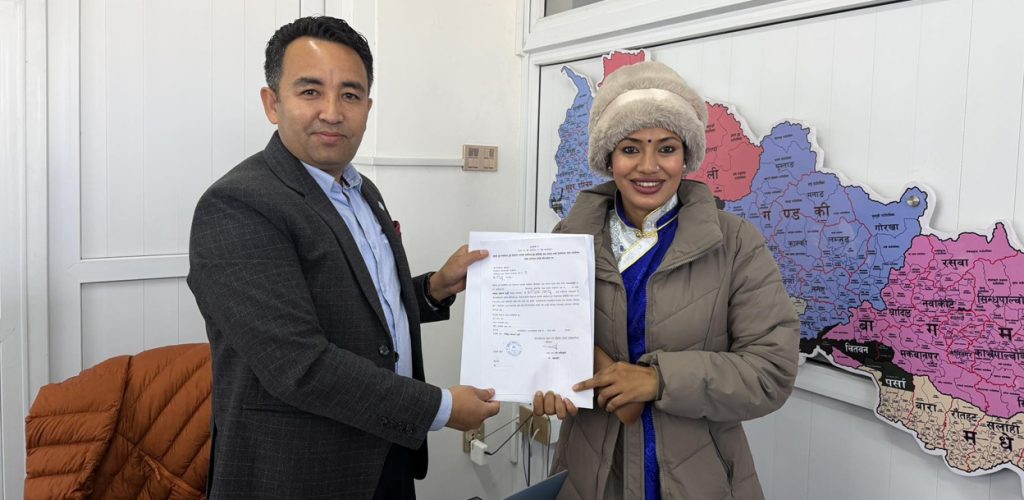
What next? Public frustration was ultimately expressed through the ballot box. In that same wave, voters of Dhading Constituency-1 have endorsed 37-year-old Ashika Tamang as their alternative.
A candidate of the Rastriya Swatantra Party (RSP), Ashika secured a decisive and impressive victory with 39,128 votes, earning a seat in the Federal Parliament. Veteran political figure Rajendra Pandey, who had been winning elections since the Panchayat era, was pushed down to third place.
Compared to the 12,294 votes secured by RSP candidate Himesh Pant in the 2022 election, Ashika more than tripled the tally, marking an unprecedented surge in Dhading.
From glamour world to street protests
Born in 1988 in Malekhu, Dhading, Ashika did not come from a political background. Raised in a rural setting, she closely understood the basic hardships faced by ordinary Nepalis. Her public life, however, began in the entertainment industry.
She played the lead role opposite actor Aryan Sigdel in the Nepali film Sushree, released in 2015, and also served as the film’s producer.
But she did not remain in the glamour industry for long. After spending some time in Germany and marrying a German citizen named Thomas, she returned to Nepal, a turning point that reshaped her life.
Armed with a mobile camera, she began taking to the streets to speak out against everyday social irregularities. She first went viral while campaigning against animal cruelty, though many mocked her with the nickname “Khasini Didi.” She remained undeterred.
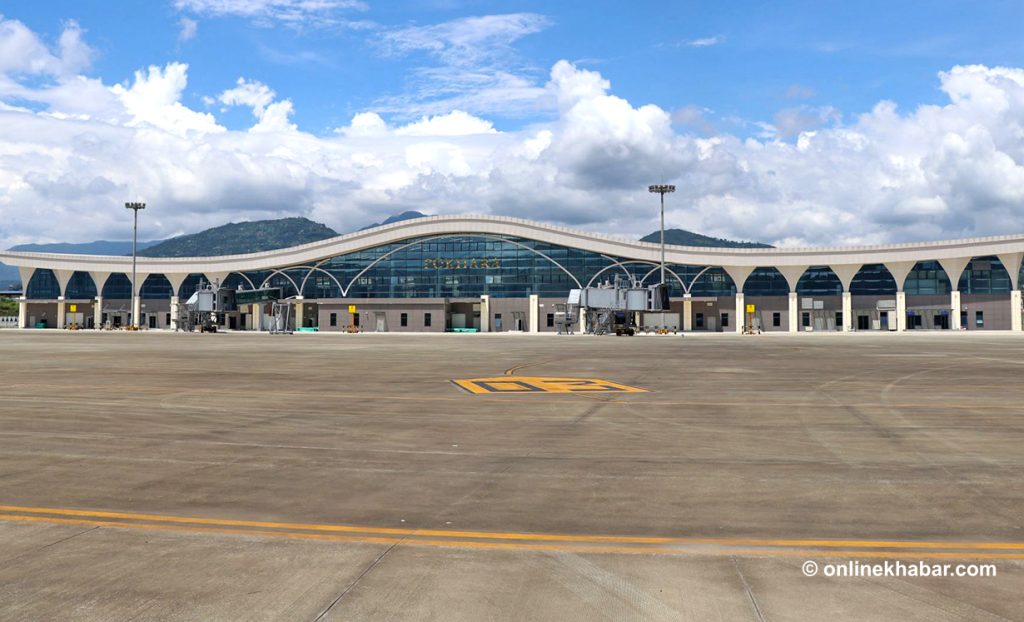
Establishing the Green and Clean Ashika Foundation, she launched campaigns focused on cleanliness and social causes. She boldly raised her voice against the overpricing of bottled water and food items, expensive airport parking fees, and disorder in public spaces.
From detention to youth icon
Ashika’s aggressive style of questioning public misconduct often put her at odds with authorities. Last year, she tore up a municipal receipt in protest against a Rs 20 fee charged for crossing the Sangha suspension bridge.
Following a complaint from Suryabinayak Municipality, police arrested her. She was later released on bail, but the incident cemented her image as a fearless rebel against injustice.
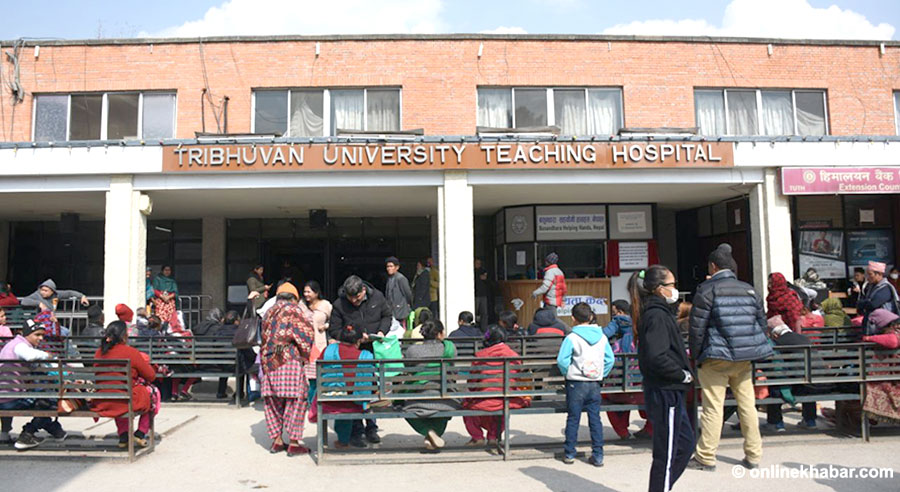
The recent Gen Z movement became her true political test. She worked on the frontlines, assisting injured youths in hospitals and amplifying their voices. As she consistently stood by bleeding protesters on the streets, many social media users affectionately began calling her “Didi.”
The road to parliament
Initially planning to contest elections independently from Kathmandu, Ashika was fielded by the RSP as its candidate from Dhading-1.
Travelling across villages in Dhading, she pledged to combat corruption, end delays and irregularities in public services, make political and administrative bodies accountable to citizens, and carry the voice of the younger generation to Parliament. Voters responded positively to her campaign.
Once a lone activist pointing her mobile camera at public misconduct, Ashika now enters Parliament, the highest policy-making body, carrying the mandate of more than 39,000 citizens.
Her remarkable transition from a rebel campaigner to an elected lawmaker sends a clear message: those who speak up against the everyday problems faced by ordinary citizens are now becoming central figures in national politics.