

Kathmandu
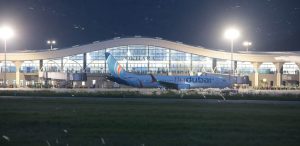
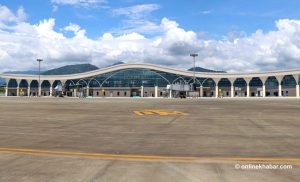
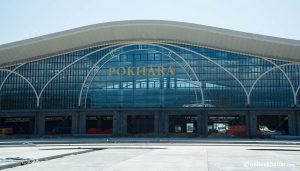
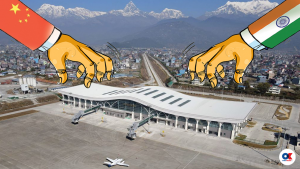
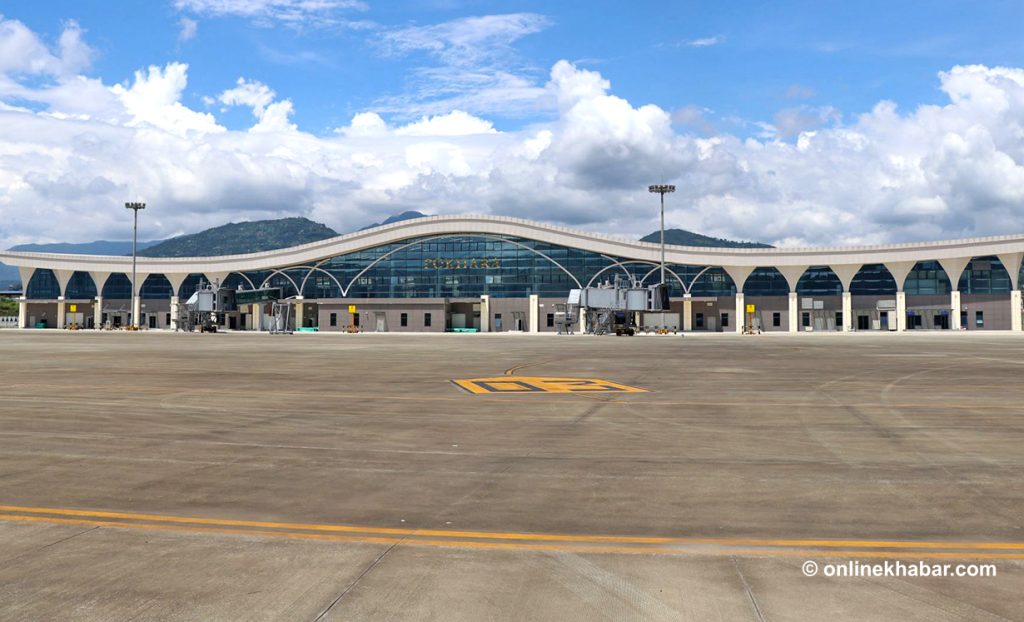
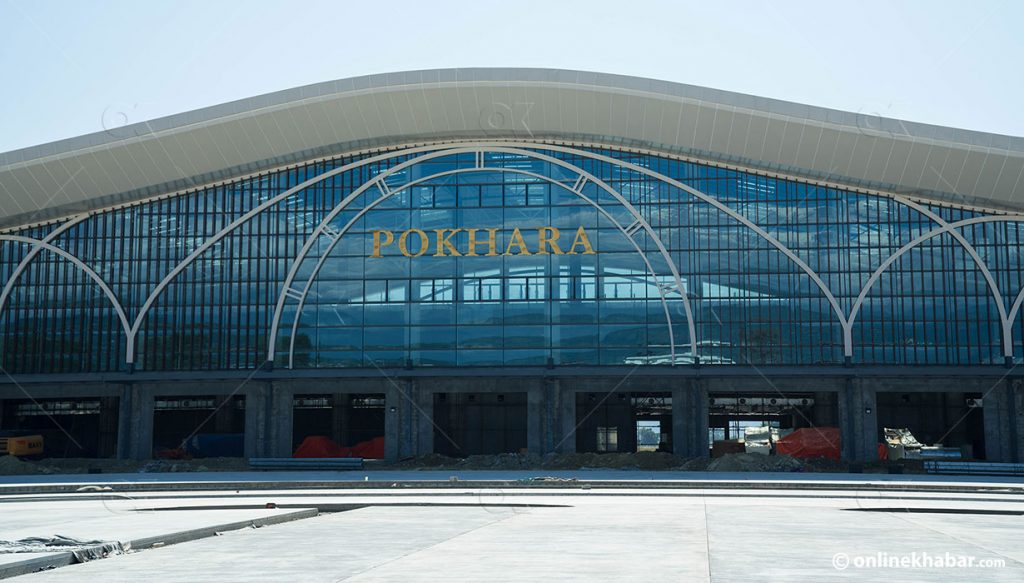
Nepal’s anti-graft body has filed a major corruption case over alleged large-scale irregularities in the construction of Pokhara International Airport, dragging senior government officials, a Chinese contractor and consultants into one of the country’s most high-profile infrastructure scandals.
The Commission for the Investigation of Abuse of Authority (CIAA) has named China CAMC Engineering Co. Ltd. as a defendant, along with 55 other individuals, in a charge sheet registered at the Special Court, accusing them of causing financial losses amounting to Rs 8.36 billion.
The airport project was based on a 2014 contract between the Civil Aviation Authority of Nepal (CAAN) and China CAMC. Under a 2016 financing agreement between the Government of Nepal and China Exim Bank, Nepal received a loan of USD 216 million to construct the airport, with CAMC responsible for delivering the project as a “turnkey” contract.
The agreement required the contractor to design, procure materials and construct a runway 45 metres wide and 2,500 metres long, and hand over a fully operational international airport to the Nepali side. Due to the Chinese loan condition, only Chinese companies were allowed to compete for the project, and CAMC was selected among nine applicants.
However, investigations and parliamentary reviews have found serious deviations from the contract.
According to findings by a subcommittee of the Public Accounts Committee of Parliament, the project was plagued by irregularities estimated at nearly Rs 10 billion, spread across at least 11 major headings. The CIAA has now incorporated many of these findings in its prosecution.
One of the most serious allegations relates to earthworks. The contract required soil and gravel to be transported from sources about five kilometres away to ensure the runway achieved the specified elevation and structural strength. Instead, CAMC allegedly used soil and gravel from the construction site itself, while still allocating and claiming payments of around USD 8 million for material transport, effectively saving costs while billing the project for work not done.
The parliamentary subcommittee also found that more than USD 10 million was paid for excavation work for drains and embankments that were either not completed or were done below required standards, translating to more than Rs 1.27 billion at the exchange rate applied by the investigators.
Payments of USD 4.43 million were made for soil filling and compaction works that, according to the report, were either not carried out or were inadequately performed. Similarly, about USD 5.5 million was paid for bringing soil from outside sources, but investigators found no documentary or physical evidence that external materials were actually transported to the site.
The runway elevation itself has become a central technical issue. While the original design required the runway to reach an elevation of around 2,677 feet above sea level, investigators found the constructed runway stands at approximately 2,636 feet, raising questions about compliance with aviation safety and design standards.
Irregularities were also flagged in other construction components. Despite the contract requiring the contractor to clear nearby obstacles, including cutting the Chinedanda hill at its own cost, CAAN reportedly paid a separate contractor Rs 320 million for that work. The subcommittee termed this a direct violation of the contract.
Similarly, payments of USD 742,659 were made for installation of the HVAC system even though such works were supposed to be covered within the main turnkey contract.
The investigation further found that funds reserved for “variation works” exceeded contractual limits. While the contract allowed additional works worth USD 15 million, records show payments reaching USD 20.4 million, exceeding the limit by around USD 5.2 million.
Other allegations include the failure to construct a high-grade aviation fuel storage tank, despite budget allocations of USD 220,000, and questionable consultancy expenses. Though the contract required the contractor to bear consultant costs, CAAN reportedly paid USD 2.8 million from its own funds to external consultants.
Senior officials have also been pulled into the case. The CIAA has named suspended CAAN Director General Pradeep Adhikari as a defendant. Former chair of the Inclusion Commission, Dr Ram Krishna Timilsina, who served as coordinator of the consultant team for the project, has also been implicated.
The charge sheet initially sought clarification regarding former Prime Minister Sushil Koirala. However, the CIAA stated in the filing that no further action was taken against him as he is deceased. Former minister Post Bahadur Bogati, who also passed away, has been named through his legal heir, his wife Rammaya Bogati.
Earlier, the parliamentary subcommittee led by lawmaker Rajendra Lingden had already warned of systemic corruption involving ministers, secretaries and senior bureaucrats, including revenue losses of around Rs 2.2 billion due to tax exemptions granted to the Chinese contractor, contrary to contractual provisions.
Despite Nepal paying significant loan interest estimated at around Rs 840 million annually to China Exim Bank, the airport has yet to see regular commercial international flights, further intensifying public scrutiny.
The case is now under judicial process at the Special Court, where the CIAA is seeking to establish criminal liability over what it describes as one of the most damaging corruption scandals in Nepal’s aviation infrastructure history.