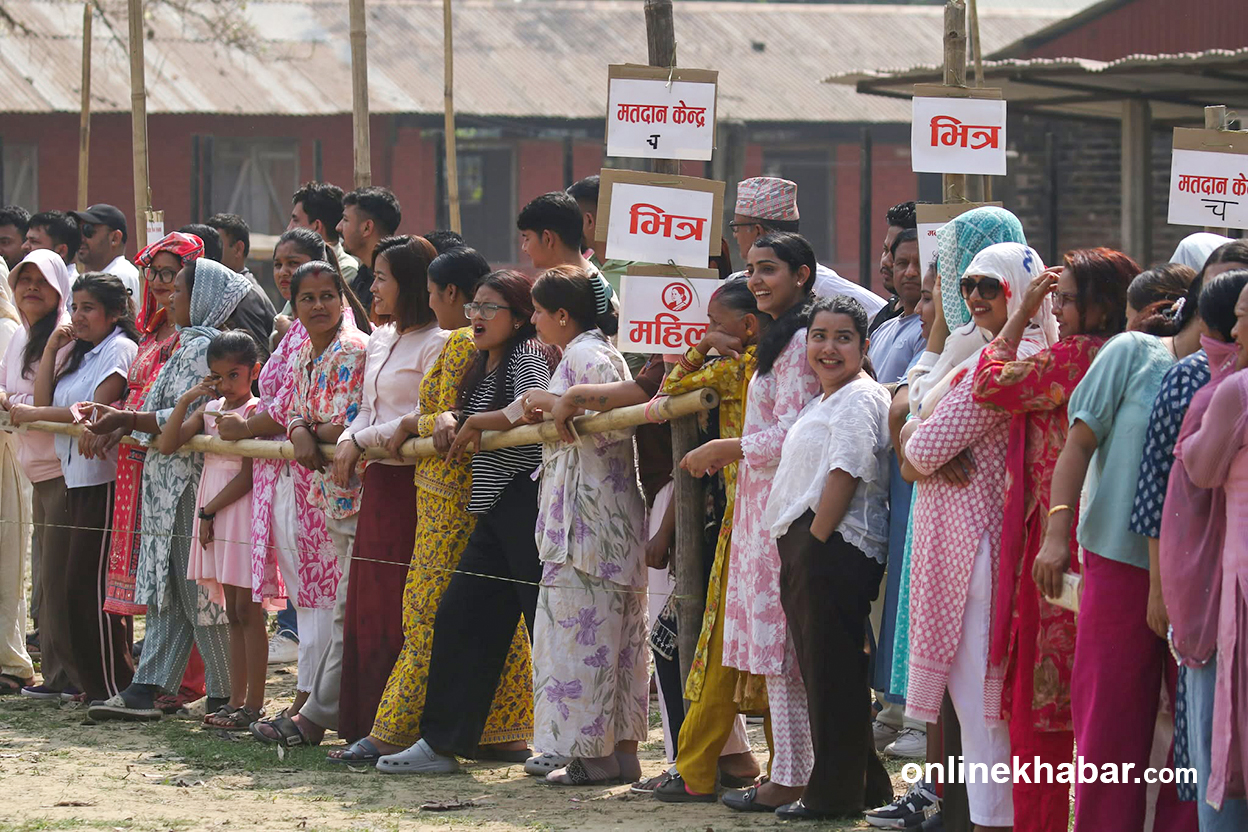


As the House of Representatives election scheduled for March 5 draws closer, candidates have already begun campaigning. They are meeting voters and conducting door-to-door outreach in their constituencies to seek public support. On digital platforms, too, candidates have been strengthening their presence with the same aim.
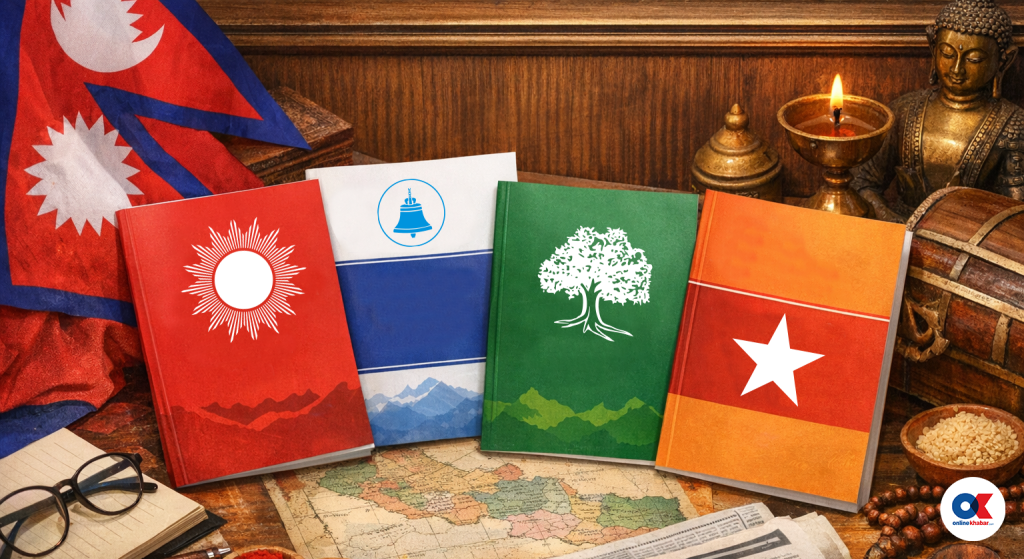
One critical element, however, is missing: none of the political parties has released a manifesto. A manifesto is among the most important tools in an election, offering voters a clear basis on which to judge candidates and parties. Yet parties appear to be avoiding this essential responsibility.
As of this writing, just 36 days remain until the election, but no party has published its manifesto. Candidates are therefore campaigning without clearly articulating their policy priorities or governing vision.
The election date was announced six months ago, following the formation of an interim government under Prime Minister Sushila Karki after the Gen Z–led protests of September 8 and 9. Political parties had ample time to prepare and present their manifestos. Their failure to do so has prompted growing public concern.
Political analyst Saugat Gautam says that because all major parties have already selected their prime ministerial candidates, many contenders are focused more on promoting those figures than on communicating their own plans and agendas. As a result, he says, the campaign has become increasingly centred on individuals rather than policies.
“The sooner the manifesto is published, the better,” Gautam says to Onlinekhabar. “If there is a delay, people will have less time to critically assess it.”
Concerns over the delay have also been voiced on social media. Rakshya Bam, a Gen Z activist, has publicly urged parties to release their manifestos as soon as possible.
“We want to read your manifesto,” she writes. “The public will vote based on the plans and agendas you intend to implement after becoming parliamentarians. Be accountable to the people and publish your manifesto.”
Online criticism has continued to grow, though political parties appear largely unresponsive. Writer Srijana Pokhrel noted in a recent social media post that more than a dozen candidates contesting the election are her Facebook friends, representing different parties. She said she reviewed each of their profiles but did not find a single candidate who had pinned their party’s manifesto.
Pokhrel also criticised candidates who ask voters to judge them by their records, arguing that such records are often “disgraceful.” At the same time, she questioned candidates with no political track record, asking whether they expect voters to support them based solely on an introductory video. “This is an election, not a beauty pageant,” she wrote.
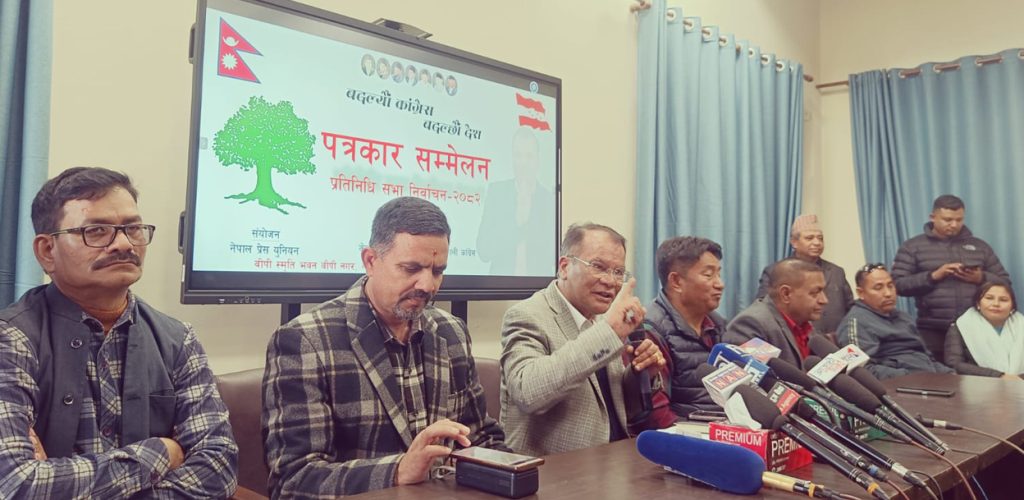
The Nepali Congress, for its part, says it is still in the preliminary phase of drafting its manifesto.
“We are still at an initial stage and are consulting experts from different sectors,” says Pratap Paudel, political adviser to Gagan Thapa, the party’s president.
Paudel says the manifesto had not been delayed, adding that election-related activities already underway may have created the perception that its release was overdue. “In fact, manifestos are usually announced only about a month before the election,” he said. He added that Thapa is currently campaigning in Sarlahi and that a party meeting will decide the date of publication after his return.
Thapa is leading the manifesto drafting process for the Nepali Congress.
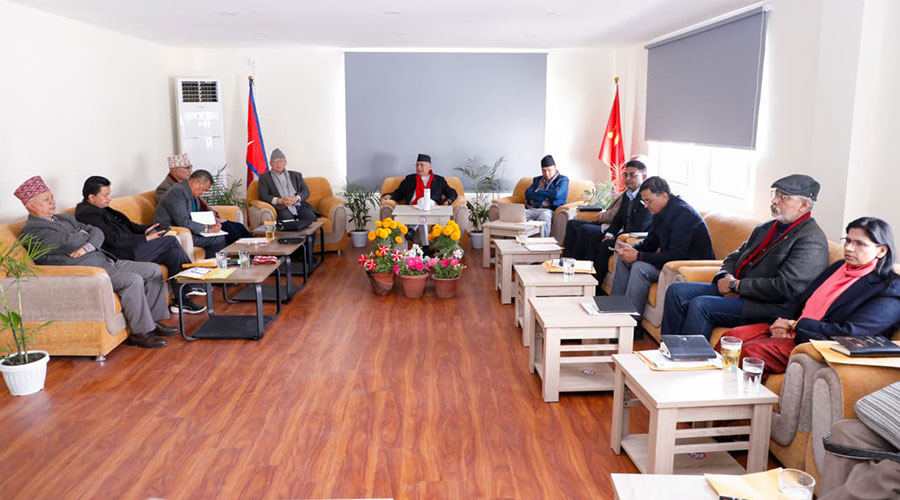
Unlike the Nepali Congress, the CPN-UML says it is in the final stage of preparing its manifesto.
“We are almost ready to publish it,” says Min Bahadur Shahi, head of the party’s publicity department.
Shahi said a few issues still required internal discussion before the manifesto could be released.
“We are trying to publish it as soon as possible,” he added.
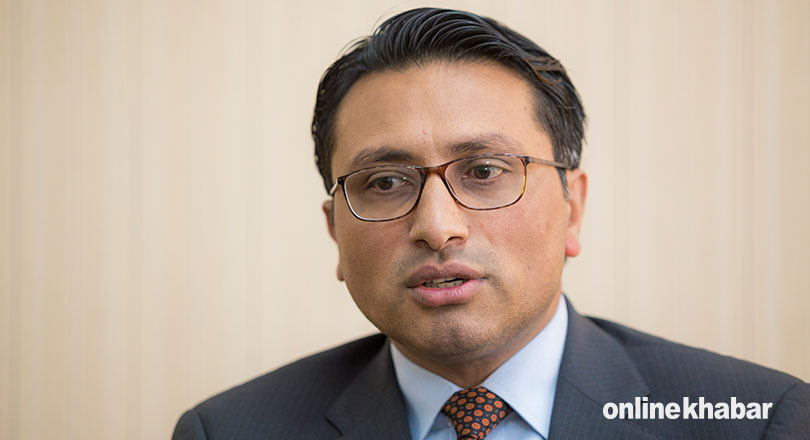
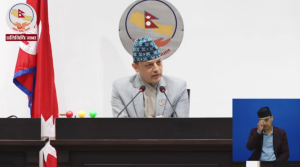
The Rastriya Swatantra Party has informed that it plans to release its manifesto on February 13.
“We are reviewing the draft and compiling suggestions and findings from provincial consultations and field studies,” says Manish Jha, the party’s spokesman.
The manifesto is being drafted under the leadership of Swarnim Wagle, the party’s vice chairman. Jha said that because candidate nominations were filed 45 days ahead of the election, compared with 17 days in previous cycles, many people felt the manifesto announcement was overdue.
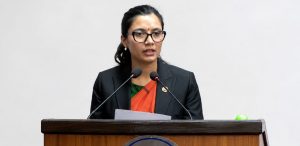
Krantishikha Dhital, a central committee member of RSP actively involved in drafting the manifesto, said the party would release practical and achievable pledges rather than grand, unrealistic promises.
“We are not preparing impossible or irresponsible declarations. The manifesto is being drafted in a way that directly addresses the concerns of young people,” says Dhital. “We will come forward soon with proposals that reflect the public’s expectations. Our focus will be on education, health care, employment and capital formation.”
With just over five weeks remaining before voters go to the polls, the absence of manifestos has left many unsure how to compare candidates beyond personalities and past affiliations, raising broader questions about accountability and policy-driven debate in the campaign’s final stretch.
Party leaders also acknowledge that delays in releasing the manifesto could make it more difficult for voters to compare candidates.