Kathmandu
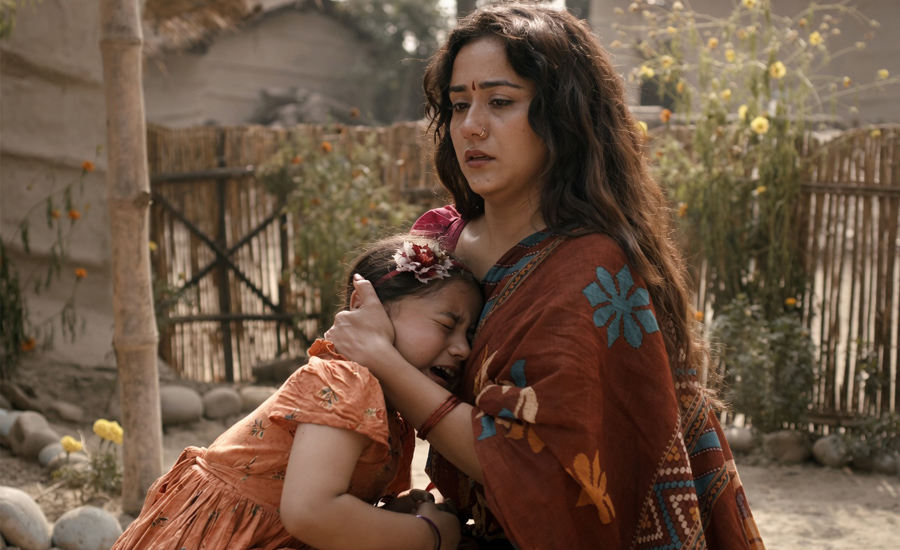
Filmmakers have expressed dissatisfaction after the Patan High Court ordered an immediate halt to the public screening of the film Lalibazaar. A single bench of Justice Prakash Dhungana has summoned both parties for a hearing on Baisakh 22.
The interim order followed a writ petition filed by an activist, objecting to certain scenes and dialogues perceived as sensitive to a particular community. While hearing the petition, the court issued a short-term stay order on the film’s release, citing a Supreme Court precedent from around seven years ago.
The last-minute order has raised concerns within the film industry. Creators warn that such practices could undermine freedom of expression and creative work. Many see it as a recurring pattern that could make filmmaking increasingly difficult in the future.
The incident has also triggered strong reactions on social media, with many questioning the role of the Central Film Censorship Board under the Ministry of Communications and Information Technology. Debate has intensified over the validity of halting a film that had already received clearance from the censor board.
Director Nischal Basnet said that while court orders must be respected, repeated instances like this weaken the morale of filmmakers. He stressed the need to understand the intent and process behind filmmaking, and suggested that both the Film Development Board and the Censor Board should be scrapped.
Writer Yagya Shahi emphasised the importance of respecting community sensitivities but warned that excessive judicial intervention in art and literature could suppress freedom of expression. He called for dialogue as the best way to resolve disagreements.
Actor Kamal Devkota described the halt as unfortunate, especially after the film had received approvals from multiple government bodies. He urged authorities to resolve the issue quickly to ensure a timely release.
Producer Rabindra Singh Baniya said the planned premiere has been postponed in compliance with the court order, clarifying that the film was not intended to hurt any community’s sentiments.
Producer Dipak Raj Giri questioned who would bear the financial losses if the court later permits the film’s release.
The Nepal Film Directors Society has also expressed concern, urging resolution through dialogue and cooperation while respecting freedom of expression. The society warned that halting films at the brink of release weakens the morale of the entire industry.
Director Laxman Paudyal called for swift and clear decisions to prevent such situations from recurring. Actress Keki Adhikari termed the halt regrettable, especially after censor approval, and urged a prompt resolution.
Exhibitor Pradeep Kumar Uday appealed for justice for Lalibazaar, questioning the purpose of a censor certificate if a film can still be stopped at the last moment. He also raised concerns over compensation if the court eventually allows the release.
Actress Barsha Siwakoti wrote, “While we respect the law, unclear regulations keep art trapped in uncertainty.”
Prominent figures from film, music, and the arts have echoed similar concerns, emphasising the need to uphold freedom of expression and prevent such incidents from affecting future productions.
Previously, films like Aktor: Take one, Laj Sharanam, and Pandit Bajeko Lauri were also halted by court orders. Artists argue that it is problematic when one government body grants permission for screening while another intervenes to stop it.