
The Government of Nepal has arranged for Nepalis in Kuwait and Qatar to return home via Saudi Arabia.
As Saudi Arabia’s air routes remain open, arrangements have been made for Nepalis to travel by road from Kuwait and Qatar to Saudi Arabia, and then fly back to Nepal.
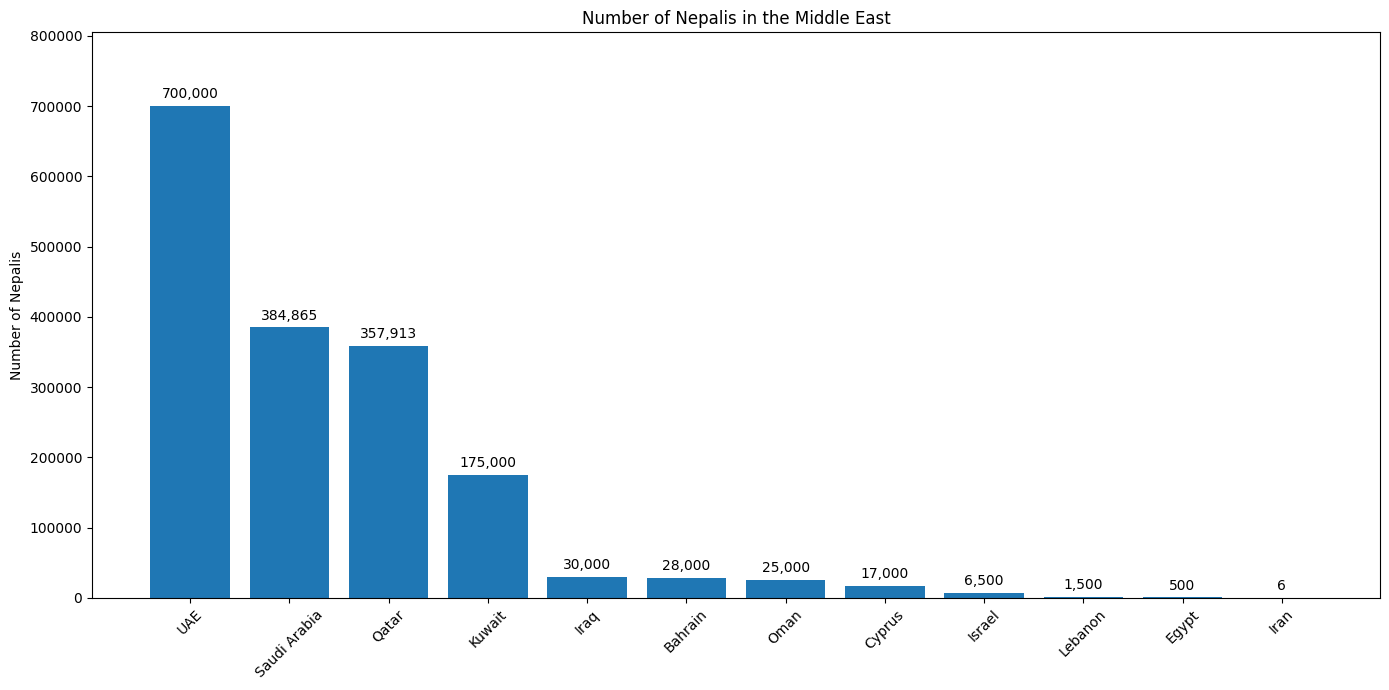
Due to the war between Israel–United States and Iran, Nepalis residing in the Middle East countries are in a state of fear. The Saudi route has been proposed to rescue those facing difficulties in Kuwait and Qatar.
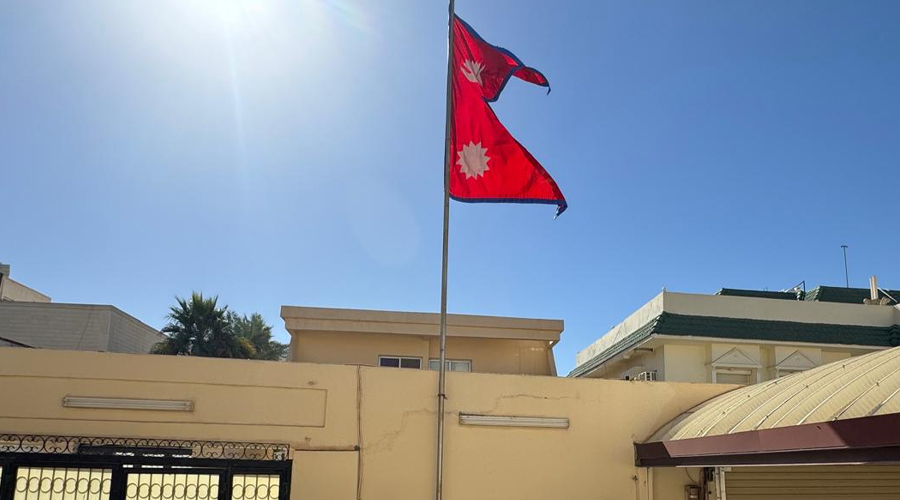
Nepali embassies in Kuwait and Qatar have arranged rescue efforts through Saudi tourist visas, and have called on Nepalis to apply online for a Saudi visa.
The Nepali Embassy in Kuwait stated that those holding a Kuwait residency/civil ID can travel by road to Saudi Arabia if they wish to return to Nepal. The embassy has said it will facilitate transit visa applications online.
According to the embassy, once the visa is obtained through online application, individuals can enter Saudi Arabia by road and return to Nepal via Saudi airports.
Similarly, the Nepali Embassy in Qatar has issued a notice stating that Nepalis can travel by road to Saudi Arabia and then fly to Nepal from there. It has also been informed that visa applications can be submitted online.
For those in Doha, the capital of Qatar, the embassy has requested applicants to book an appointment at the Saudi visa centre and apply for a tourist visa, with fees to be paid at the centre.
However, Nepalis there have expressed anger over these arrangements and announcements.
They have accused the government of charging high fees in the name of rescue instead of actually helping them.
They claim the embassy has issued such notices without understanding the real situation of Nepali workers in Kuwait, effectively avoiding its responsibilities. According to the embassy’s plan, it would cost around 400 Kuwaiti Dinars to return to Nepal from Kuwait, an amount many cannot afford, especially as they are already struggling for basic needs.
Bikash Bhattarai, a Nepali working in Kuwait, said it is impossible to pay 400 KD to return home when people don’t even have money for food. Similarly, Srijan Karki said that poor workers who earn only 20–30 thousand rupees a month cannot afford tickets costing 80–90 thousand rupees. He accused authorities of exploiting people in the name of rescue.
“When going abroad, we have to sell our sweat, and when we face hardship and want to return home, we have to spend 5–6 months’ earnings on tickets. Is this how a government rescue?” he wrote on social media. “Change according to time and circumstances, show humanity. Calling it a rescue while trying to extract as much money as possible? Better let brokers incur losses or let migrants die abroad.”
Similarly, Gyan Bahadur Tamang said that while giving suggestions to citizens is good, the reality must also be understood. Many Nepalis in Kuwait survive on daily wages, low salaries, and debt, making such advice impractical.
He added that costs like visa fees, transportation, border procedures, and airfare from Saudi Arabia are unaffordable for many workers. Many are already struggling due to delayed salaries.
“It is the responsibility of the state and embassies to stand by Nepali citizens in times of crisis. Solutions should provide real relief to the vulnerable, not add more costs and complications,” he wrote.
He also questioned how poor workers would complete this process and why embassies have not arranged alternative support or relief.
He urged authorities to take concrete steps based on the real conditions of affected workers rather than just issuing notices.
Nepalis in Qatar have also objected to the government’s decision, saying that while they want to return home amid the current crisis, the embassy’s notice has only made things more difficult.
Migrant workers in the Gulf and Middle East say they cannot afford the costs involved in airlines and visa processes under the guise of rescue.
Kul Prasad Karki, advisor to the Pravasi Nepali Coordination Committee, said such decisions appear to be an attempt by embassies to avoid their responsibilities. He noted that workers’ earnings would be exhausted in paying travel agencies and government fees.
He questioned how workers earning 70–80 KD per month could afford 400 KD to return home.
“In such a situation, 6 to 10 months’ earnings would be spent just on the return process,” he says.
He added that the government should actively engage with agencies, hold discussions, and facilitate easier rescue for those in need.
Under normal circumstances, returning from Kuwait or Saudi Arabia would cost 20–30 thousand rupees, but now airfare alone exceeds 100,000 rupees, and visa processing adds another 100,000, bringing total costs to around 200,000 rupees.
He said the main issue now is not security, but the unavailability and high cost of flight tickets, which the government should help address.
“People are under mental stress, fear losing their jobs, and are running out of money,” Karki says . “The government must take this issue seriously.”