Kathmandu, March 1
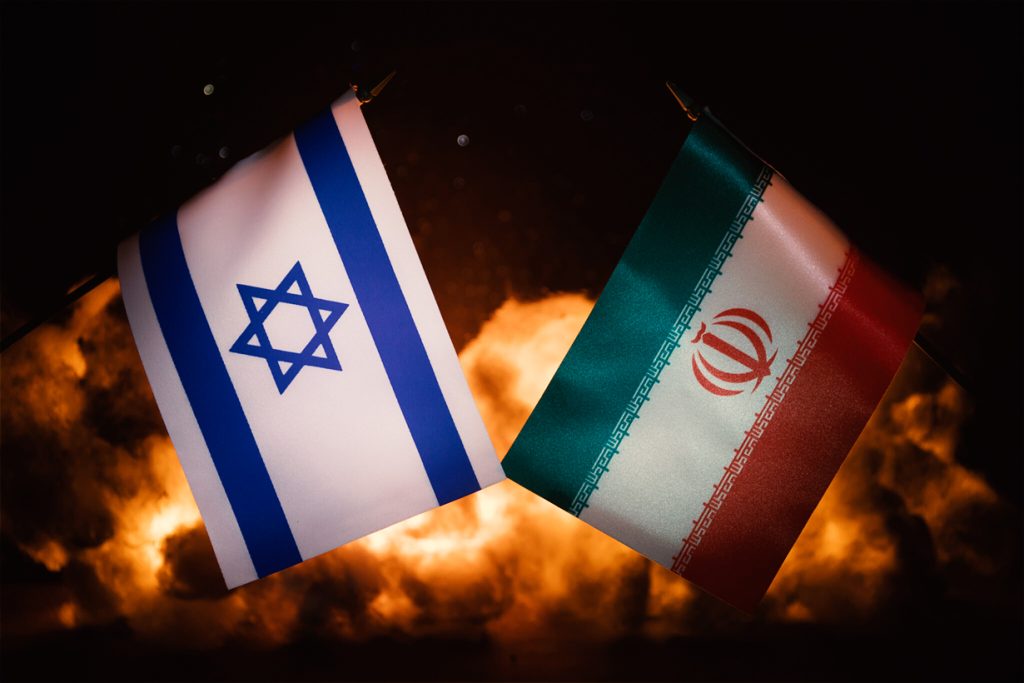
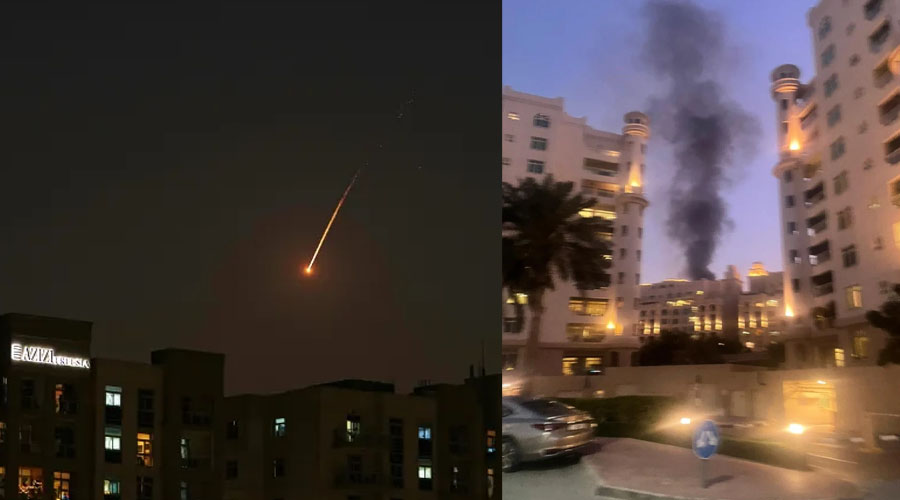
Tensions have escalated in the Middle East after Iran launched retaliatory attacks in response to strikes carried out by the United States and Israel. Iran has reportedly targeted American bases, particularly those located in Gulf countries.
Iranian state media reported that attacks were carried out on US air bases in Bahrain, Qatar, Kuwait, the UAE, Saudi Arabia, and Jordan.
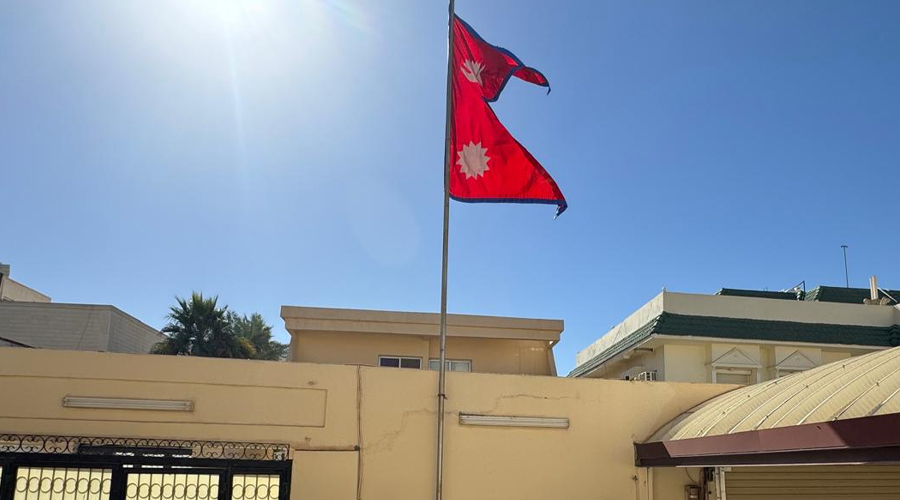
Following the attacks, the respective governments and Nepali embassies in those countries issued separate advisories urging people not to leave their homes unnecessarily until the situation returns to normal. They have also advised residents to remain alert and follow official instructions issued by government authorities.
Nepal’s Ministry of Foreign Affairs in Kathmandu also issued a special travel advisory on Saturday, urging Nepalis residing in Israel and Iran to stay indoors and comply with the instructions of local security agencies.
Nepalis in fear
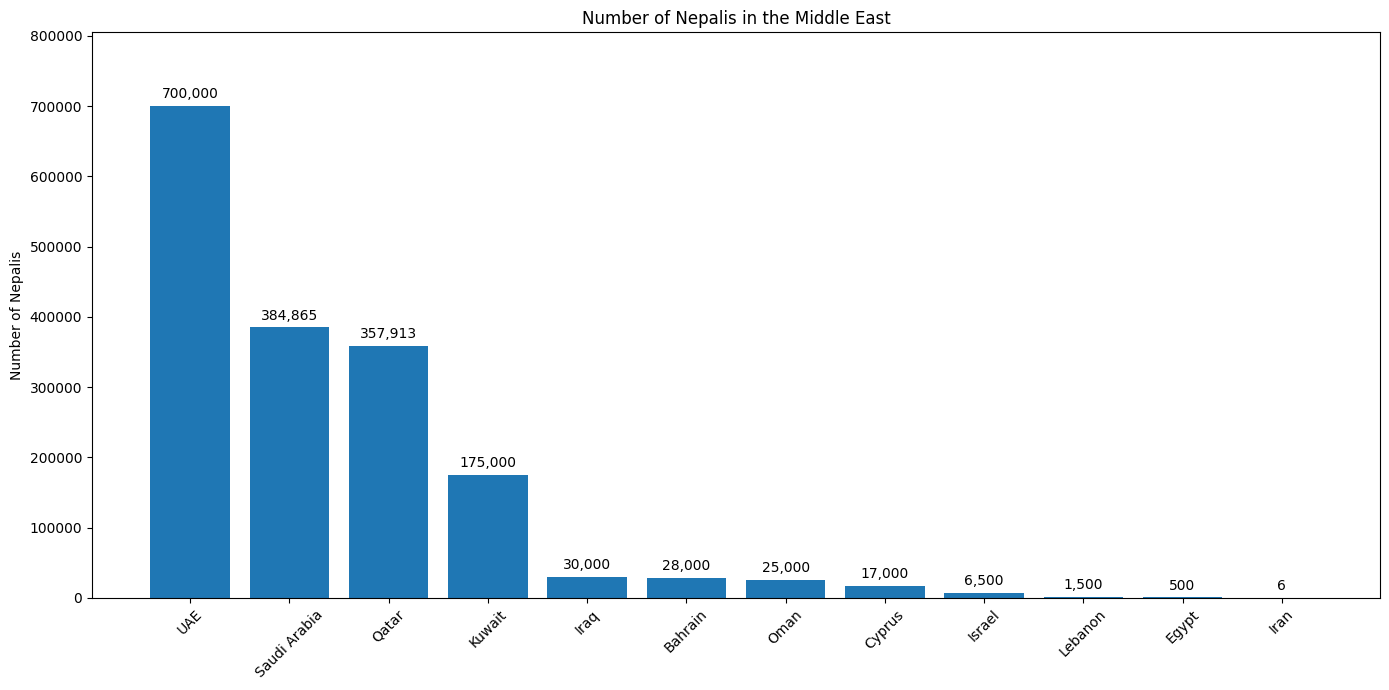
According to the latest data from the Government of Nepal and various migration agencies, among the six major Gulf countries, the UAE hosts the largest number of Nepalis, more than 600,000. Qatar is estimated to have around 500,000 Nepalis.
Saudi Arabia is home to approximately 450,000 Nepalis, Kuwait around 120,000, and Bahrain and Oman more than 50,000 each.
In addition, about 5,000 Nepalis are working in Israel, mainly in caregiving and agriculture.
The Gulf countries are key destinations for foreign employment for Nepalis. The military escalation in the Middle East over the past 24 hours has raised serious concerns about the safety of Nepalis working in the region.
The direct military confrontation between Israel and Iran, along with attempts to target US military installations in the Gulf, has placed Nepali migrant workers at direct risk. Nepalis engaged in construction work in open areas and those working as security guards are said to be particularly vulnerable.
The Non-Resident Nepali Association (NRNA) Kuwait and the Nepal Journalists’ Association Kuwait chapter have issued separate notices publishing hotline contact numbers.
They have urged Nepalis to follow only official information issued by the Kuwaiti government and security agencies, remain indoors as much as possible, avoid unnecessary travel, and consult airline websites or ticket agents before making travel decisions to Nepal or other countries.
Flights from Kathmandu affected
As the Middle Eastern airspace has become unsafe, flights from Kathmandu to destinations such as Doha, Dubai, and Riyadh were affected today. Hundreds of Nepalis were stranded at Tribhuvan International Airport due to flight suspensions.
The recent tensions have increased the risk of Nepalis being stranded, including those planning to return home on leave and those awaiting emergency evacuation.
Although the Nepal government has not yet announced any concrete plan for mass evacuation from any country, it has stated that embassies have been placed on high alert.
According to migration experts, if conflict intensifies in the Gulf, not only could remittance inflows, the backbone of Nepal’s economy, be disrupted, but ensuring the safe return of nearly two million Nepalis could become a major challenge for the government.
The Ministry of Foreign Affairs has urged Nepalis in the Gulf region to contact the respective Nepali embassies if they face difficulties and to avoid following unverified rumours circulating on social media.