Kathmandu, March 2
The silent period for the House of Representatives election scheduled for March 5 will begin at midnight tonight.
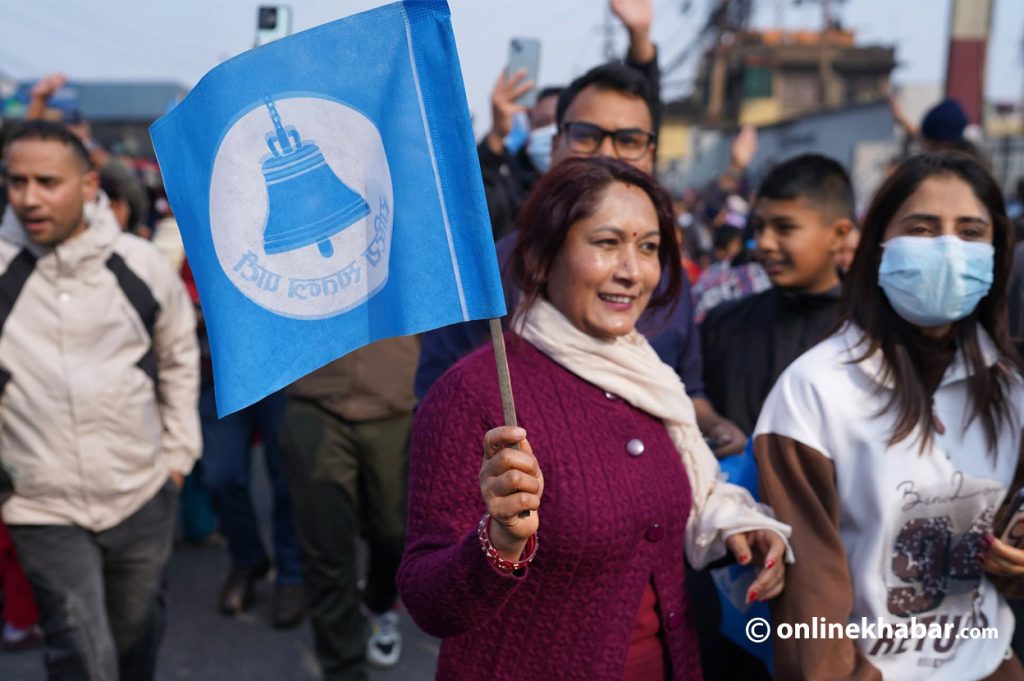
Once the silent period begins, no one is allowed to campaign or ask for votes in favour of or against any candidate. As a result, political parties and their candidates are busy today holding election rallies and campaign activities.
The silent period will come into effect from 12:00 midnight tonight and will remain in place until the completion of voting.
Why is the silent period enforced?
There is an international practice of enforcing a silent period to prevent disputes or clashes among competitors during voting and to ensure that voters are not intimidated by any untoward incidents.
The silent period is intended to ensure a peaceful environment for elections and to create fair competition among candidates. Since all campaign activities are halted during this period, it is expected to create a conducive atmosphere for voting and encourage voters to participate enthusiastically.
If the silent period were not enforced and campaigning were allowed until the day before voting, there would be a risk of candidates and political parties influencing voters.
The Election Code of Conduct states that all campaign materials of parties or candidates must be removed and that no one is allowed to seek votes or carry out election campaigning through any method, process, or medium.
Once the silent period begins, the Office of the Returning Officer will require concerned parties or candidates to remove campaign materials placed within 300 meters of polling centres.
Do’s and Don’ts
Acting Chief Election Commissioner Ram Prasad Bhandari informed that during the silent period, no form of election campaigning, discussion, interaction, mass meetings, conferences, workshops, or seminars is permitted. According to him, campaigning for or against anyone on social media is also prohibited.
During the silent period, political party officials, candidates, sister organisations of parties, and any individuals, institutions, or bodies required to comply with the Code of Conduct are not allowed to carry out election campaigning or any discussion, interaction, assembly, conference, workshop, or seminar.
Similarly, the Commission has stated that no one may seek votes or conduct election campaigning through any method, procedure, or medium, and no messages, information, or campaign materials supporting or opposing any political party or candidate may be posted or shared through social media, online platforms, print, or any other medium.