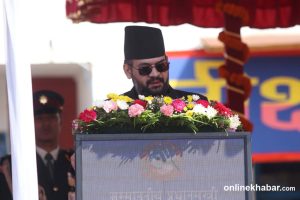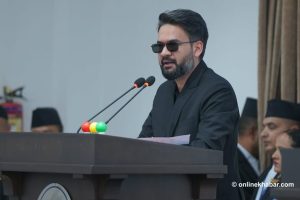


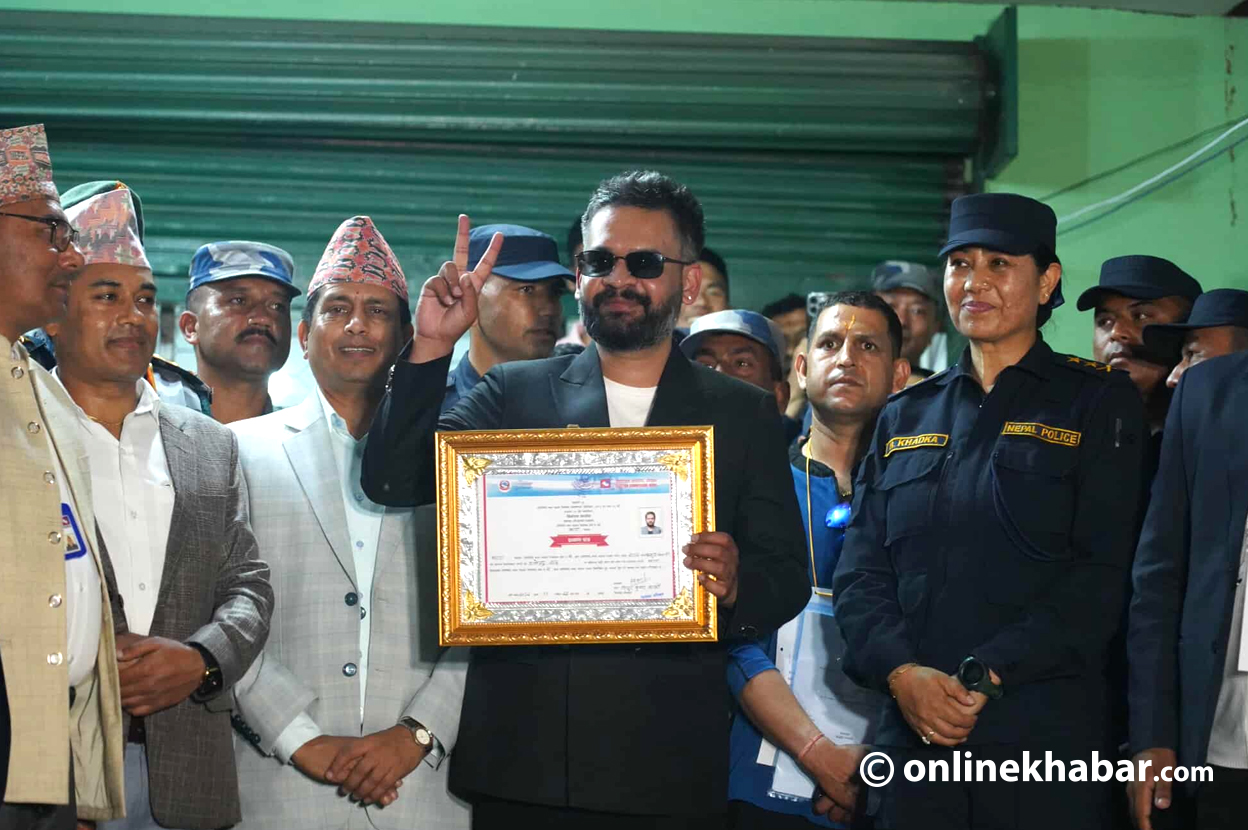
Jhapa (Damak): At 6:08 p.m. on Saturday, March 7, the result from one of the most closely watched constituencies in Nepal’s House of Representatives elections, Jhapa-5, was announced. Balendra Shah, known as Balen, 36, won the race with 68,348 votes, defeating KP Sharma Oli, 74, the chairman of the Communist Party of Nepal–Unified Marxist Leninist and a former prime minister, who received 18,734 votes.
It came as a surprise when Balen filed for nomination in Jhapa-5. Many would believe that he can’t win the election in Jhapa-5, a place where Oli had a stronghold for ages. However, as the days passed, his chances of winning the election intensified. Even the people who had long supported parties like CPN-UML and Nepali Congress decided to change their vote this time.
Balen’s decision to file his nomination in Jhapa-5 initially came as a surprise. For decades, the constituency had been regarded as a stronghold of Oli, and many believed it would be nearly impossible to unseat him there.
Many initially wondered why Balen had chosen to contest the election from Jhapa-5. In a video circulating during the campaign, when asked about his decision, he replied: “Because that is the only way I can provide justice to Gen Z.”
As the campaign progressed, however, Balen’s chances of victory appeared to grow. Some voters who had long supported established parties such as the CPN-UML and the Nepali Congress said they were willing to shift their support this time. They said they switched their votes in hopes of positive change and an end to corruption, and to express frustration with traditional political parties. Some also described it as a form of retaliation against what they called the government’s crackdown on the Gen Z protests, during which 76 people were killed under the administration led by Oli.
After the Gen Z protests on September 8 and 9, Gen Z leaders even proposed Balen as prime minister of an interim government. He declined the offer, possibly because he had a larger plan: to pursue the prime ministership for a full five-year term through the democratic process, rather than serving for just seven months.
From the first day of vote counting, Balen, who had been put forward as the future prime minister by his party, RSP, maintained a steady lead. With each update, the gap between him and Oli widened significantly. By Saturday morning, Balen’s supporters were already confident of victory.
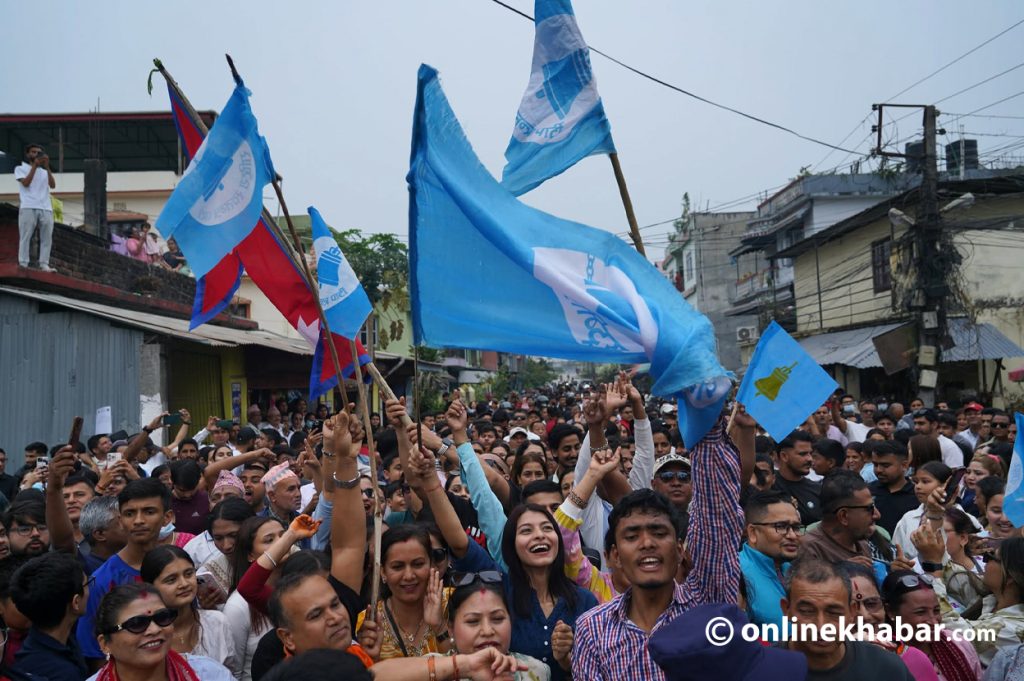
Outside the vote-counting centre in Jhapa-5, they gathered to celebrate, singing songs such as “Rato Ra Chandra Surya” and chanting slogans including “Yo jeet kasko? Balen ko!”, “Whose victory is this? Balen’s.” Another chant, “Balen dai hi hi, brastachari bye bye,” suggested that Balen’s rise signalled the end of corruption.
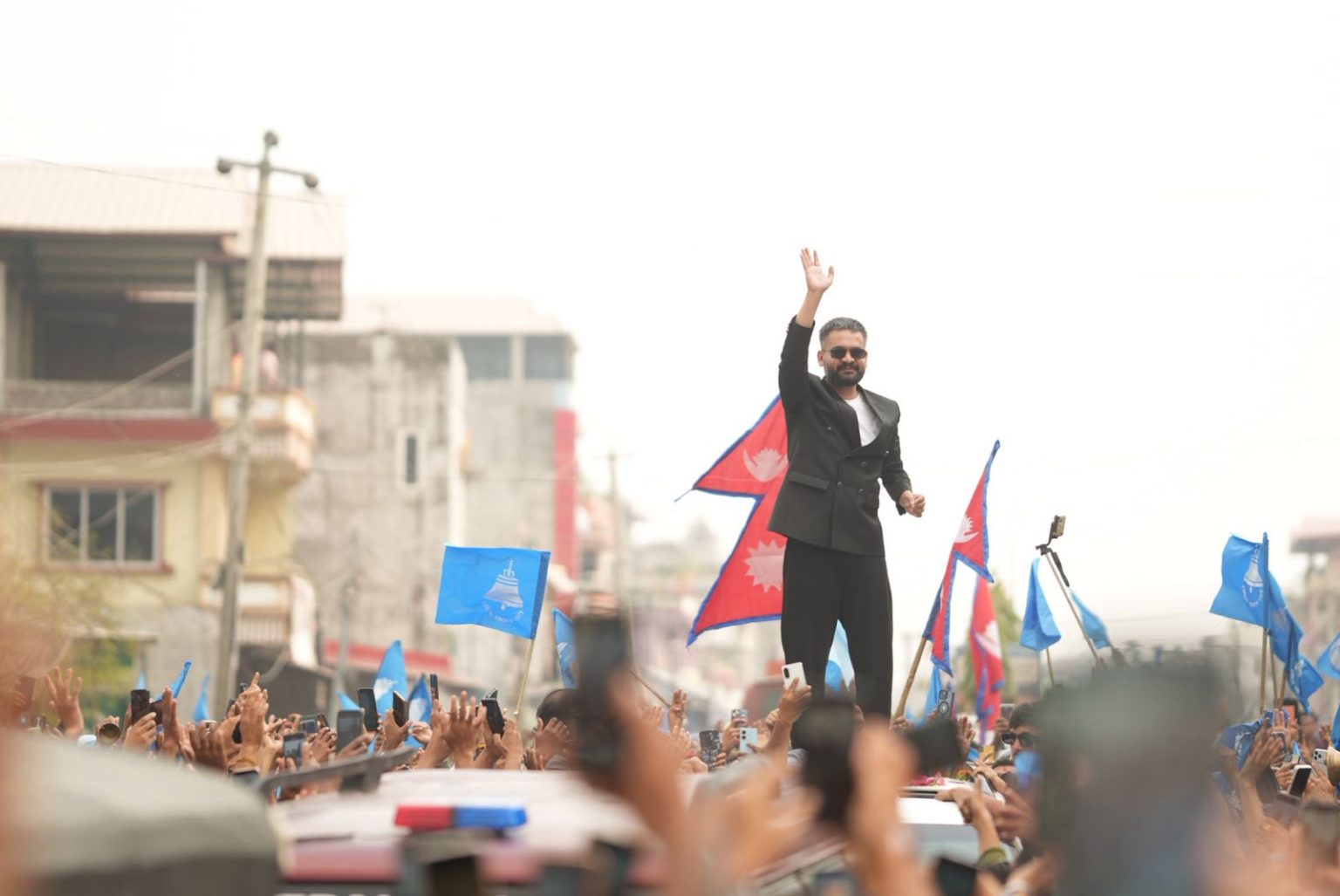
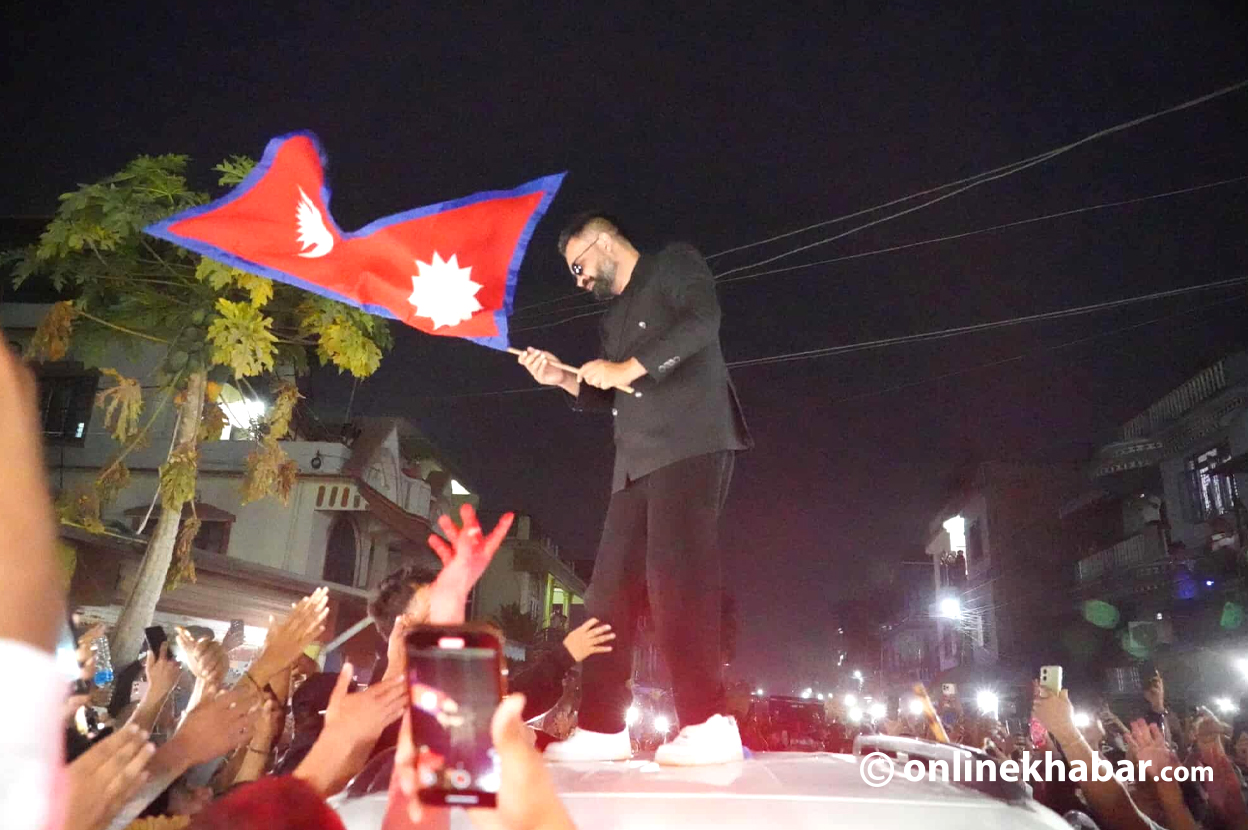
After Balen was declared the winner and received his certificate of victory, he stepped outside the counting centre to thank his supporters, waving Nepal’s national flag and holding up a placard, from the roof of his car, that read, “This is your victory.” Even after he left the area, supporters continued celebrating, dancing and chanting slogans.
One among them was Prajwal Dhakal, 21, a native of Damak. He says the victory of Balen symbolises that “people really want change.”
“Oli’s arrogance and his indifference to the Gen Z protests made people realise that the country needed to move on from him and bring someone with a clean image into leadership,” Dhakal says, adding that this sentiment had contributed to Balen’s victory.
Dhakal said he hoped that Balen, as a representative of the public, would focus on ending corruption, creating jobs, and improving the health and education sectors.
Another participant in the celebrations was advocate Sanskriti Koirala, 25, a resident of Damak. She said that Oli’s lack of accountability and perceived arrogance had alienated many long-time voters, while Balen had emerged as a symbol of hope after the Gen Z movement demanded change, fairness, and transparency.
To reassure the public that they had chosen the right leader, Koirala said she expects Balen to get to work immediately, given the country’s current structural challenges.
“As a representative, he should focus on bringing justice to the families of the Gen Z martyrs,” Koirala adds.
Rajan Prasai, 47, a resident of Damak, was also present at Balen’s victory celebration. He said that the older leadership often spoke about development but failed to put it into action.
“They did not do anything in education, health, or employment, and this is the result of public frustration,” Prasai says. “Even if Balen fails to deliver, he too will be unseated by the public.”
Political analysts say Balen’s record as mayor of Kathmandu Metropolitan City played a significant role in his victory.
“Some of the reforms and administrative actions he initiated as mayor helped strengthen his credibility and reinforce his image as someone willing to challenge—and change—the system,” says Saugat Gautam, a political analyst.
According to Gautam, Balen’s mayoral tenure also shifted public discourse. Citizens began to recognise how powerful and influential the role of a mayor can be in local governance, which helped him build a strong political identity—a kind of aura he now carries as a leader.
Koirala and Prasai also echoed Gautam’s view, saying that the image Balen cultivated during his tenure as mayor gave voters confidence in choosing him.
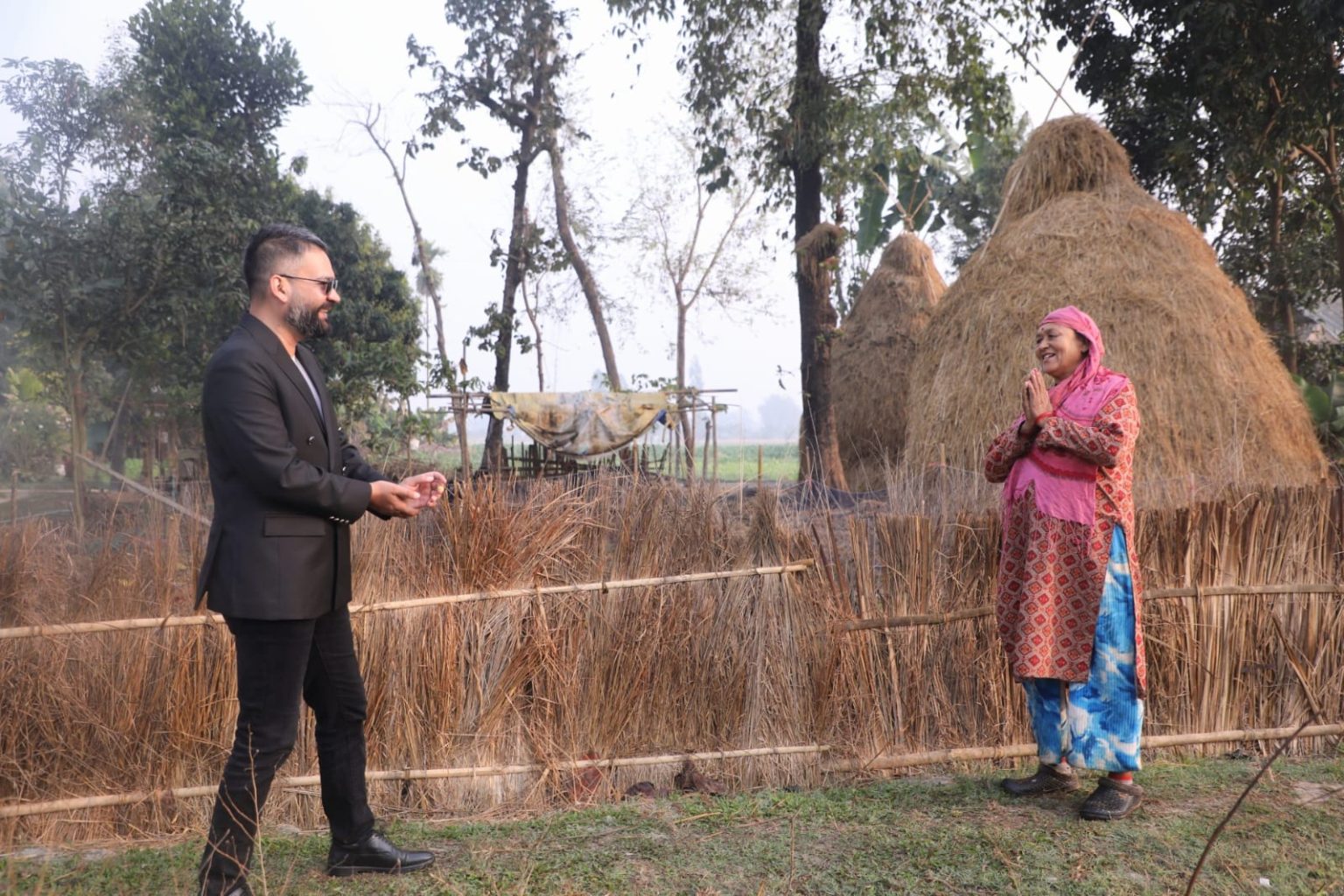
It is also believed that the campaign strategy Balen applied also worked well to get voters’ trust.
From the beginning, the campaign team began identifying the problems of Jhapa. The team identified issues such as the problems surrounding the Indigenous Stadium, the Damak–Chisapani road, squatter settlements, land ownership certificates, citizenship-related issues, and the condition of Damak Hospital.
The team did not go around asking for votes; instead, they travelled to identify where the problems were. The Damak View Tower has been built, but it has not been properly utilised. Most residents said that what the area actually needs is a large Damak Hospital, not a view tower.
“We did not ask for votes. We focused on identifying problems and looking for ways to solve them,” says Santosh Ghimire, who was involved in the campaign.
Madan Rajbanshi, the Editor-in-Chief of Gauraiganj Darpan, a local media in Jhapa, now expects Balen, as the elected representative of Jhapa-5, to prioritise working in the rural area of Jhapa-5, something that Oli did not do throughout the years.
The Kankai Bridge has not been built for the past 14 years. In the 2017 election campaign, Oli pledged to modernise the customs office in Gauriganj, but little progress has been made since. In parts of Gauradaha, unresolved land-mapping issues dating back decades have prevented property owners from securing bank loans or conducting formal transactions. Oli has repeatedly promised a solution, but the matter remains unsettled.
“Balen should immediately focus on resolving these issues; only then will he be considered the right person,” says Rajbanshi.
Balen now faces the expectation of fulfilling promises and addressing long-standing local issues. From rural infrastructure to land-mapping challenges, voters and local media alike will be closely watching whether he can translate his political image and prior achievements into tangible development and reform in Jhapa-5 and in overall Nepal.