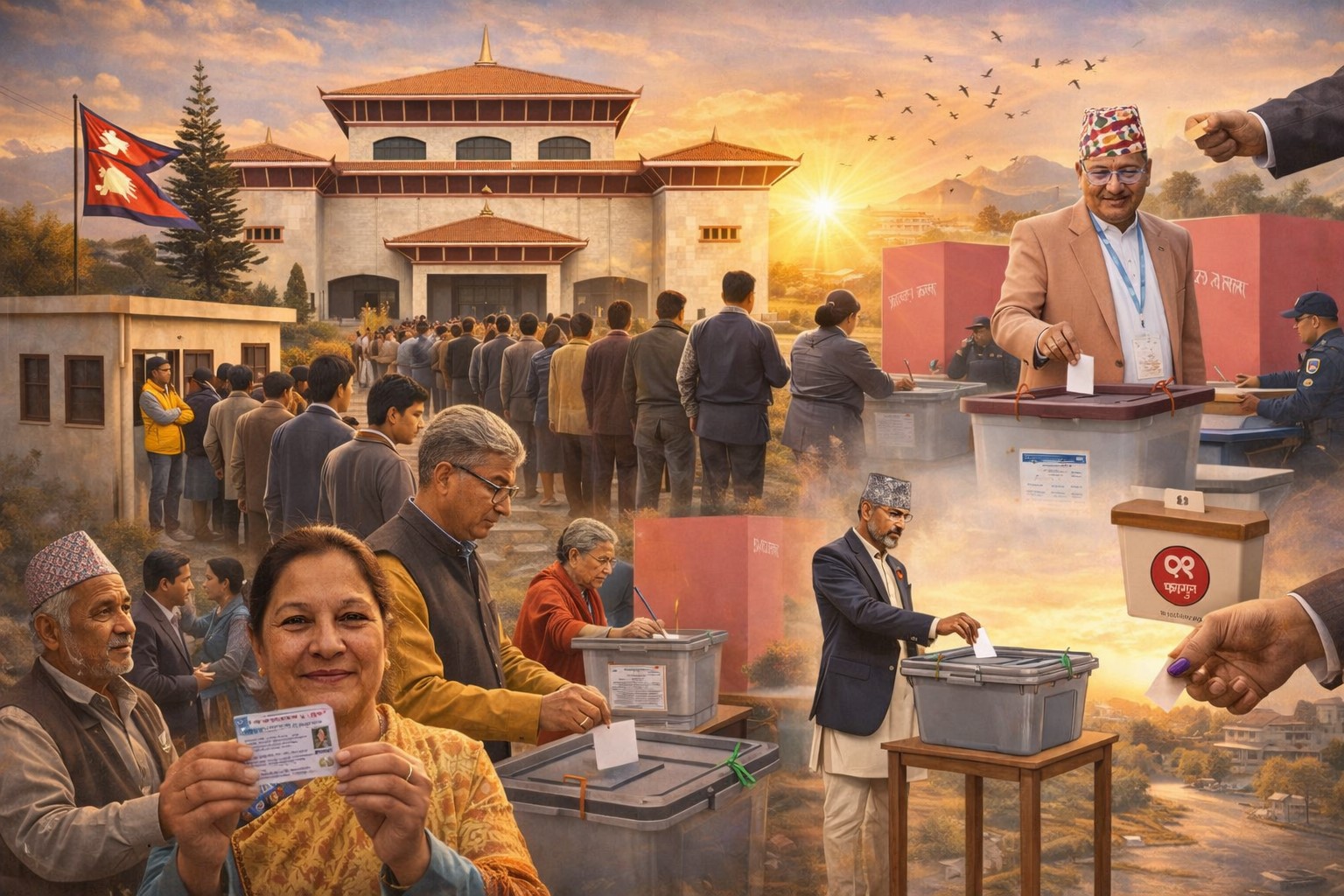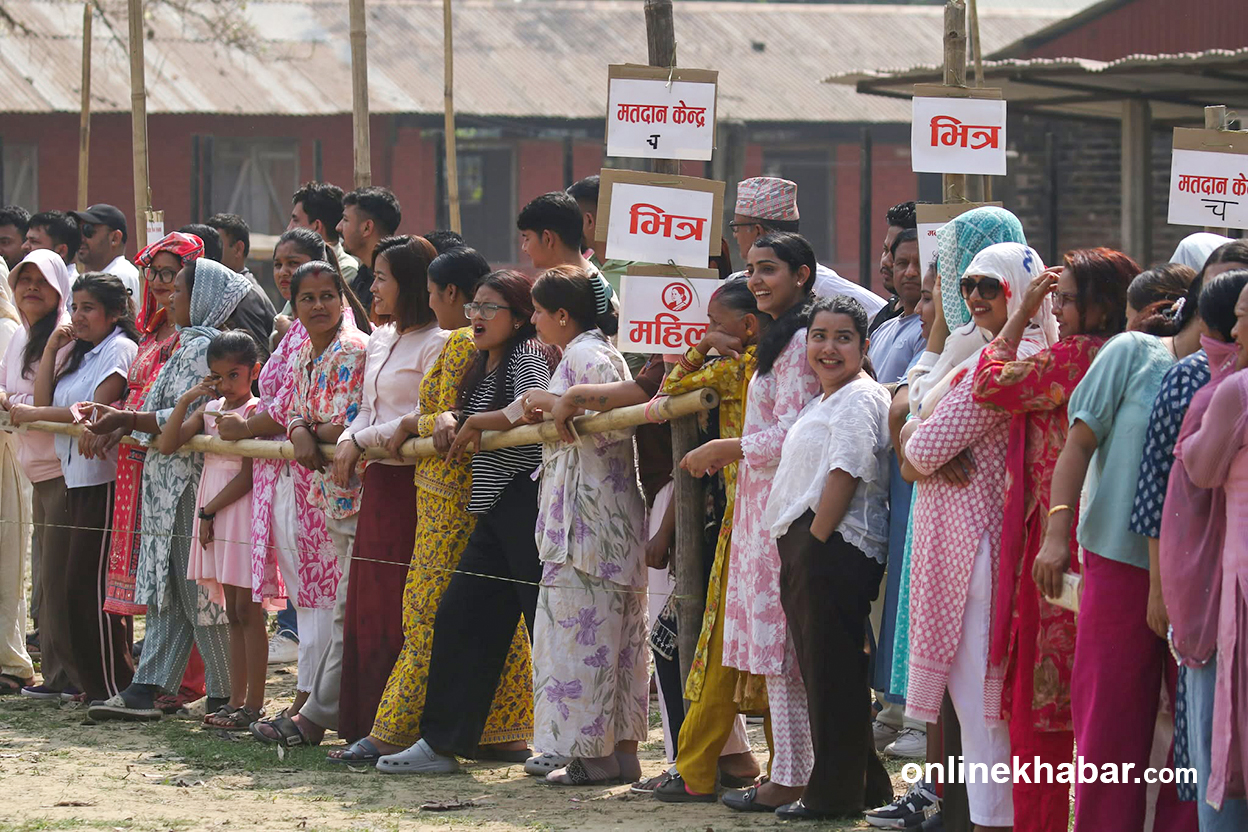

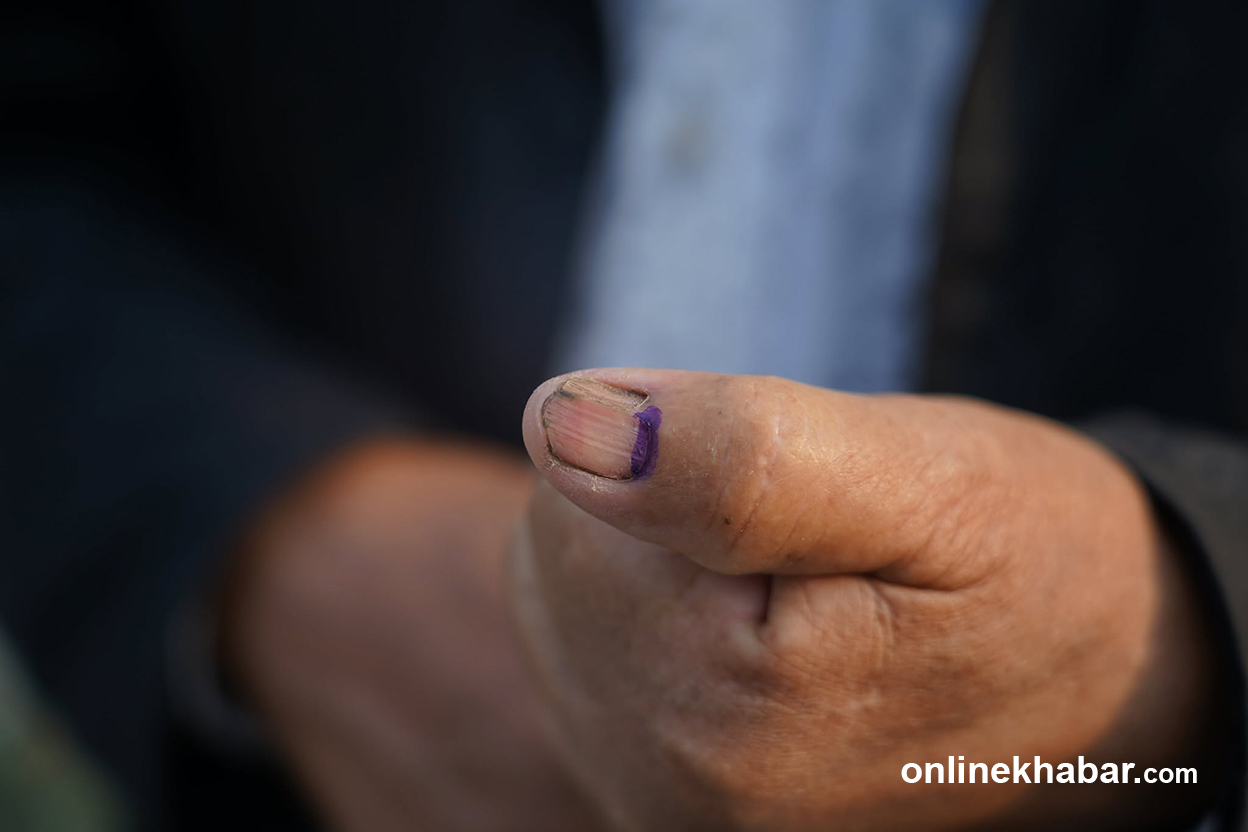
Nepal’s 2026 House of Representatives Elections, held in the aftermath of the September 8–9 Gen Z protests, concluded largely peacefully, marking a crucial step toward political stability after months of uncertainty.
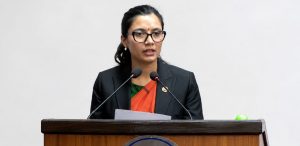
Prime Minister of the interim government Sushila Karki has been widely credited for her leadership in conducting an election widely seen as challenging and politically sensitive.
Following the conclusion of voting, Prime Minister Karki told Onlinekhabar in an interview that the government had prioritised holding peaceful elections from the outset.
“Our other main guiding principle was that there should be no further bloodshed in the country,” she says. “What we did was not for ourselves. We did it for the country and for the people.”
President Ram Chandra Paudel also expressed satisfaction after the elections were completed peacefully across the country.
He thanked the government, the Election Commission Nepal, security personnel, political parties, voters, civil servants, and all concerned stakeholders, as well as the general public, for their role in ensuring the successful completion of the election.
Acting Chief Election Commissioner Ram Prasad Bhandari said preliminary estimates indicate a voter turnout of around 60 percent. However, he added that detailed figures are still being compiled.
A total of 18,903,689 registered voters were eligible to vote in the election. Among them were 9,663,358 male voters, 9,240,131 female voters, and 200 voters classified as others.
Despite earlier concerns about potential unrest, the election remained largely peaceful. Government sources said that, except for a few minor incidents, voting was conducted without major disruptions.
A total of five rounds of gunfire were reported from police during this election. Among them, one round accidentally discharged on its own in Katahari, Udayapur. Apart from this, the police had to conduct four rounds of aerial firing.
The Ministry of Home Affairs also stated that voting was completed peacefully across the country.
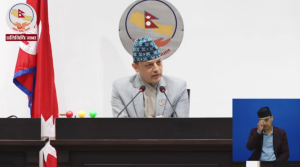
According to Home Ministry spokesperson Rama Acharya (Subedi), the election was conducted smoothly nationwide. She said election-related operations were coordinated through a control room run by the ministry’s Peace, Security and Crime Control Division.
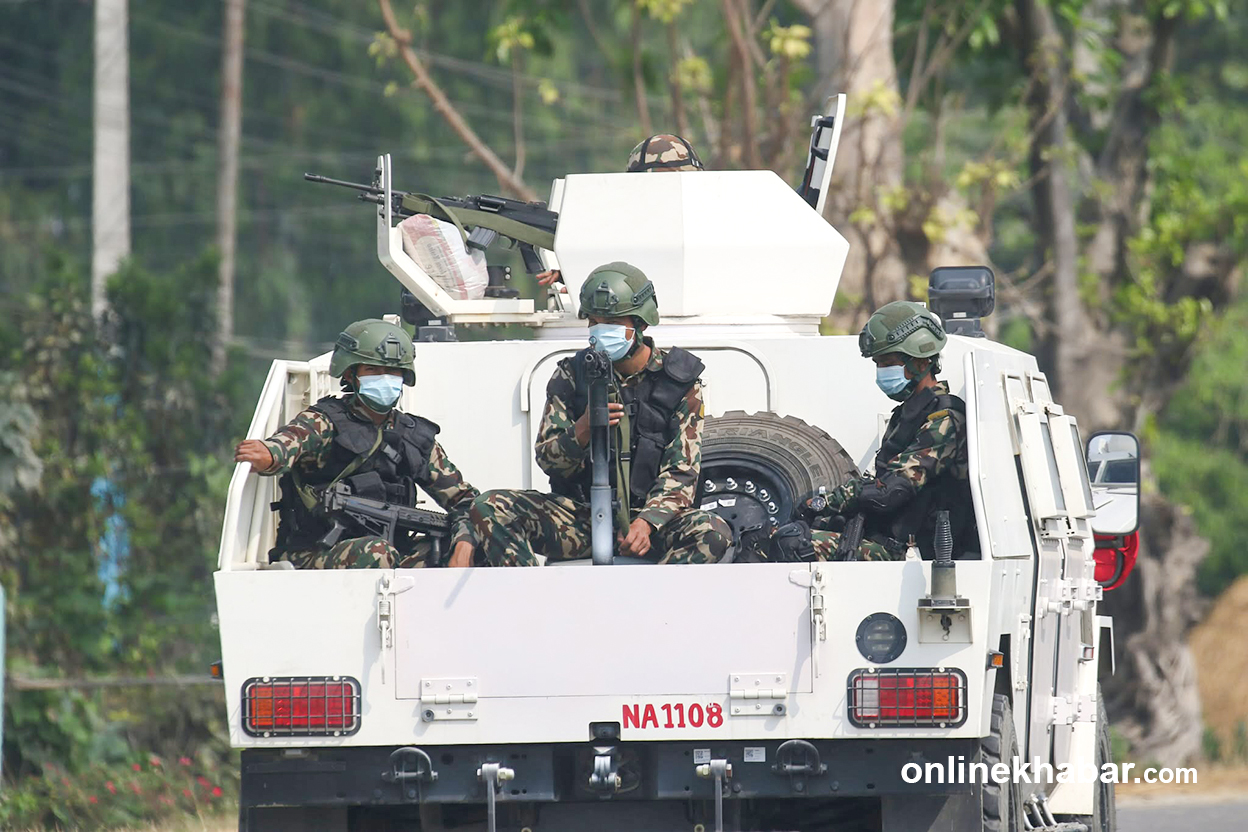
To ensure heightened security during the election, around 350,000 security personnel were deployed during the election, including 80,000 from the Nepal Army, 70,000 from Nepal Police, 34,000 from the Armed Police Force, and 149,090 Election Police.
A Central Election Cell and Command Centre was established at the Police Headquarters specifically for the election. Through the central election cell, authorities monitored and received updates on activities and operations taking place at election cells in districts across the country.
Personnel from specialised units, including the Traffic Police Office of the Kathmandu Valley, Crime Investigation Office, Narcotics Control Bureau, Central Investigation Bureau, Cyber Bureau, and Human Trafficking Investigation Bureau, were also mobilised across the country to support election security.
Except for around 10 percent of traffic police personnel needed to maintain duties in the valley, most officers were sent to other districts for election security.
The current election was considered highly sensitive in terms of security due to the prevailing difficult circumstances, the Gen Z movement, the damage it caused to security agencies, lowered morale, lack of resources, escaped prisoners, and looted weapons.
Security experts believe that this election demonstrated that the security agencies were fully prepared in matters of peace and security and proved their effectiveness.
With voting now complete, the country moves toward the next crucial stage: vote counting.
Election officials said all ballot boxes have safely reached the counting centres. Counting is expected to begin tonight in several locations, while some districts will begin the process on Friday morning.
If the process proceeds smoothly, the Election Commission plans to finalise the results by March 10.
In a recent conversation with Onlinekhabar, Acting Chief Election Commissioner Bhandari said the commission is preparing to complete the counting process as quickly as possible.
“If nothing unexpected happens, we are preparing to finalise both the first-past-the-post and proportional representation results within the second week of March and submit the election report to the President,” he said.
With ballots now secured and counting about to begin, Nepal enters the decisive phase that will determine the composition of its next parliament.