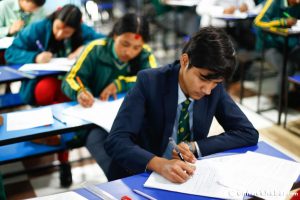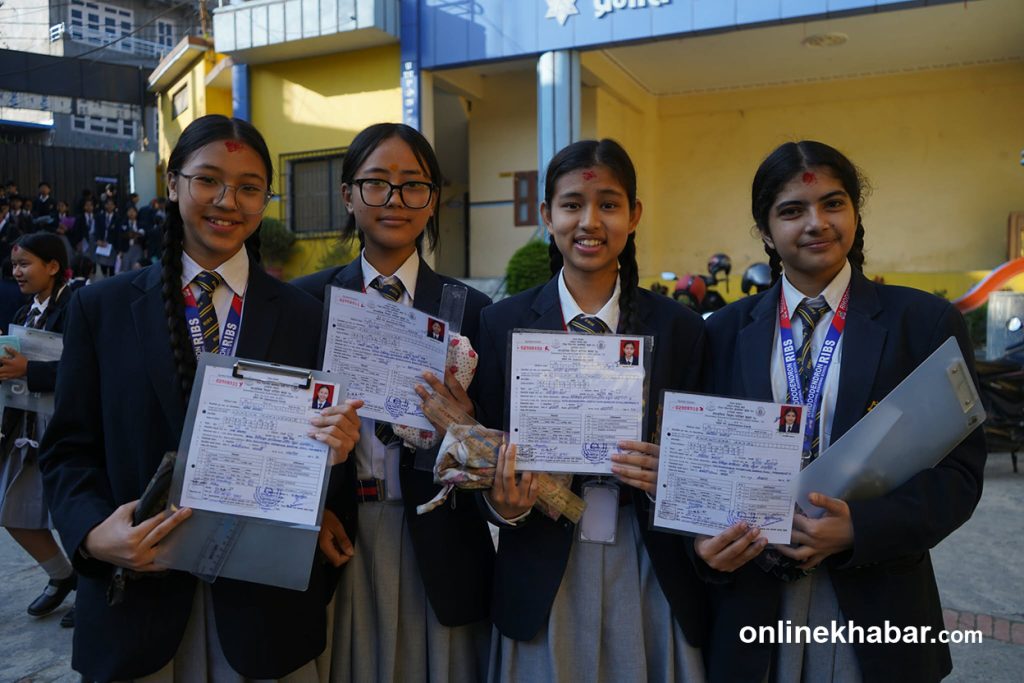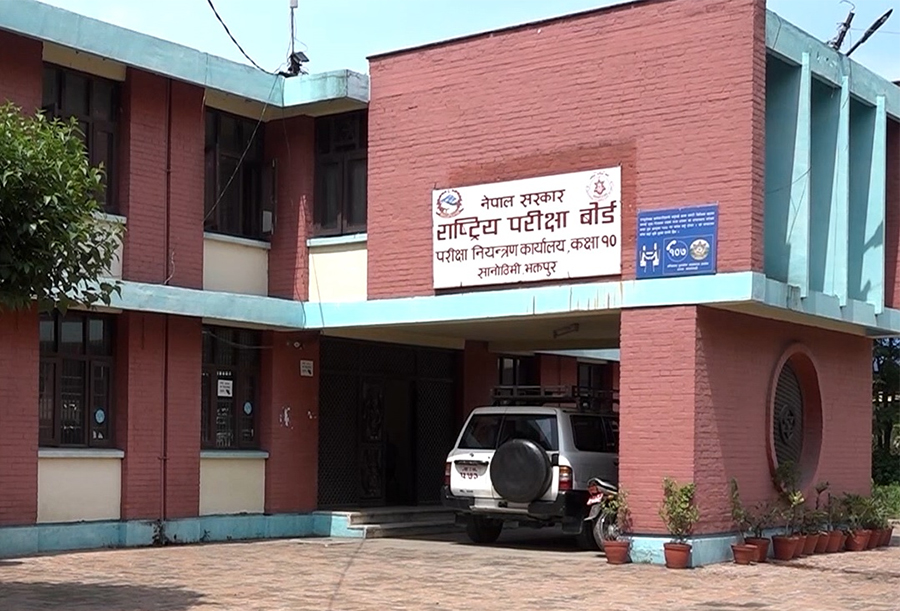

The Secondary Education Examination (SEE), which began on Chaitra 19, 2082, has officially concluded. More than five lakh students across Nepal now await their results, with the government directing the National Examination Board to publish them within a month. Evaluation and marking are being expedited to ensure the results are announced by Baisakh.
For students, this one-month gap after Grade 10 is more than just waiting time. Free from exam pressure, it can serve as a bridge of possibilities—a period to set goals, explore interests, and prepare for future studies. Used wisely, this break can shape both personality and academic journeys in lasting ways, helping students enter the next stage of education with confidence and purpose.
Adolescents aged 14 to 16 are at a sensitive stage of physical, mental, and emotional change. Once exams end, the sudden emptiness can feel confusing. Without a clear purpose, this period risks being wasted on unhealthy habits or excessive dependence on digital devices. Parents, teachers, and students themselves need to manage it consciously.
Though short, this ‘bridge period’ is crucial. Instead of trying to do everything at once, students should set priorities and focus on a few meaningful activities. With planning and balance, this time can become organised, purposeful, and truly result-oriented, helping young learners grow with confidence and direction as they prepare for the next stage of life.
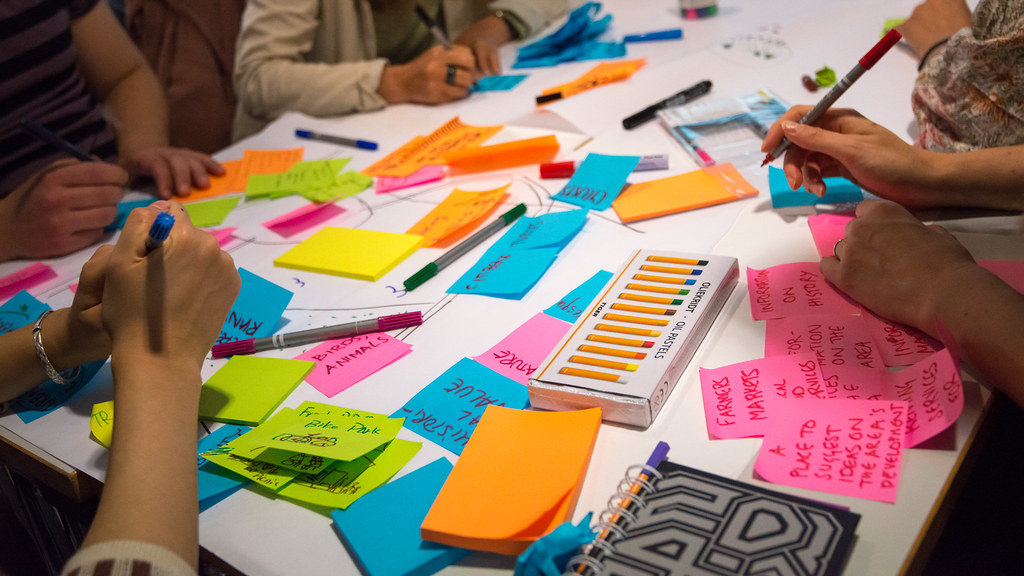
With the SEE exams over, one of the most important decisions for students and parents is choosing the right stream—Science, Management, Humanities, Education, or Technical/Vocational. This choice is not just about the next two years; it sets the direction for future careers and life goals. Marks alone should not determine the path, as grades do not fully reflect a student’s interests, strengths, or personality. Schools can make this process easier by offering counselling, career guidance programmes, webinars, and mentorship. Setting up dedicated ‘Career Guidance and Further Studies’ units would help students make informed choices that boost confidence and enthusiasm for learning.
At the same time, SEE graduates enter a valuable period where they can focus on building practical skills that go beyond textbooks. This break is an opportunity to prepare for both higher studies and future careers. On the digital side, students can explore tools such as MS Office, basic IT applications, graphic design, programming, Photoshop, video editing, animation, typing, and accounting. In today’s competitive world, digital literacy is often as important as academic knowledge. Learning such skills early gives students a head start, making them more confident and adaptable in classrooms, workplaces, and even entrepreneurial ventures.

Equally important are life skills. Helping with cooking, farming, or household responsibilities teaches discipline, responsibility, and self-reliance. These experiences may seem simple, but they build character and prepare students to handle real-world challenges with maturity.
Language and communication skills are just as important as academic knowledge. Learning a foreign language, practising writing and speaking, or developing soft skills such as public speaking, leadership, and teamwork can open doors to future opportunities. Joining clubs and community groups gives students real opportunities to practise these skills, helping them grow into confident and effective individuals.
The post-SEE period is also a chance to give back to society. Activities such as tree planting, sanitation drives, book collections, or literacy campaigns build empathy and responsibility. Participation in groups like Rotaract, Leo Club, or the Junior Red Cross Circle strengthens teamwork and leadership, shaping students into active citizens with a positive outlook.
Reading beyond textbooks is one of the most powerful ways for SEE graduates to grow during their break. Novels, essays, poems, and biographies of inspiring figures such as Nelson Mandela, Mahatma Gandhi, APJ Abdul Kalam, King Mahendra, BP Koirala, and Madan Bhandari not only expand knowledge but also sharpen imagination, analytical skills, and values. This habit helps students see education as preparation for life, not just for exams, while nurturing confidence, moral awareness, and a positive outlook.
Engaging in music, dance, painting, sports, photography, poetry, or even robotics allows students to discover hidden talents and build emotional intelligence. These activities enrich personal growth, strengthen resilience, and bring joy, making learning more balanced and fulfilling.
Experiential learning adds another dimension. Trips to historical sites, museums, and natural places connect students with culture, history, and the environment in ways textbooks cannot. Such experiences broaden perspectives, inspire curiosity, and help young learners appreciate the world around them.
Preparing for Grade 11 is a practical step for SEE graduates. Bridge courses, online study materials, and self-study can help students transition smoothly into higher education, giving them confidence and organisation for the next academic stage. Alongside preparation, digital discipline is equally important. Excessive gaming or social media use can easily become a distraction, so students should focus on using technology for learning and self-development. Balanced use of digital tools improves time management and ensures that technology becomes a support system rather than a barrier to success.
The post-SEE period is a time to strengthen both academic foundations and personal growth. By combining reading, creativity, experiential learning, preparation, and discipline, students can set themselves up for success in the years ahead. This phase allows them to explore new skills, reflect on their goals, and build habits that will support them throughout higher studies and life.
Simple practices such as keeping a diary encourage self-reflection, goal-setting, and creativity. Writing regularly helps students organise their thoughts, track progress, and develop confidence in expressing ideas. Meditation and yoga add another dimension by improving concentration, reducing stress, and nurturing inner balance. These activities not only boost mental clarity but also build resilience and self-control, which are essential for facing future challenges.
Together, these habits create a strong foundation for becoming balanced and motivated individuals. Students who use this time wisely emerge more confident, disciplined, and prepared for the next stage of life, ready to embrace opportunities and responsibilities with energy and purpose.
The period after SEE is an opportunity. With the right choices, skills, and habits, students can lay a strong foundation for success in academics, careers, and life.