Kathmandu, December 18
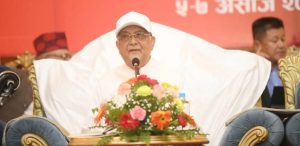
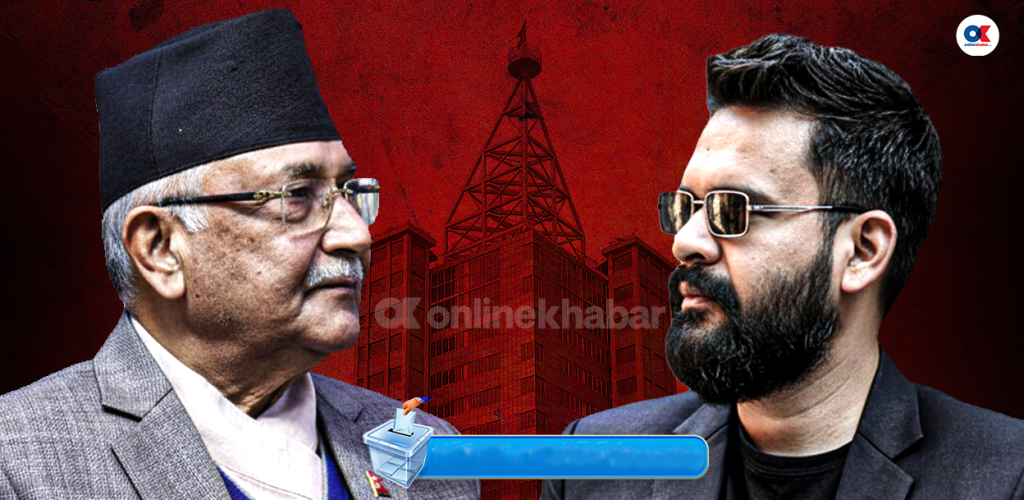
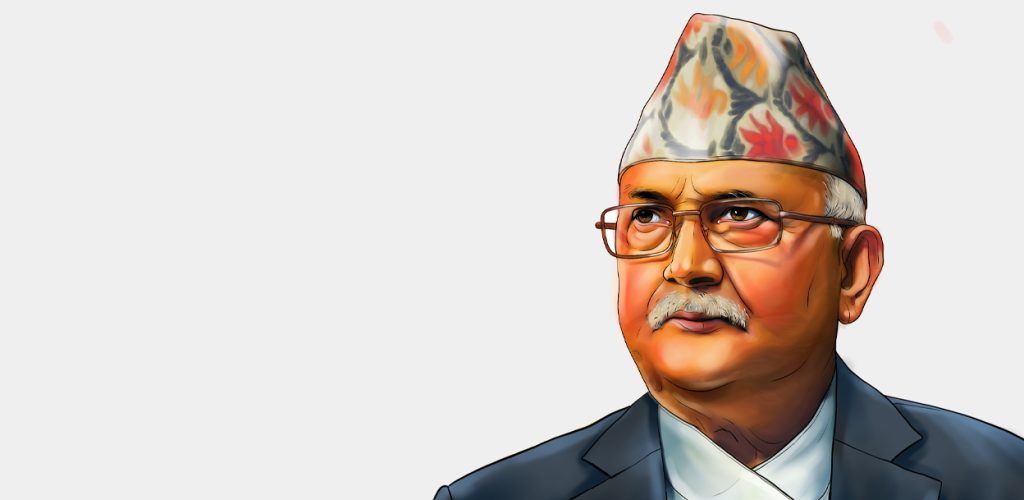
KP Sharma Oli has been elected chair of the CPN-UML for a third consecutive term, reaffirming his dominant position within one of Nepal’s largest political parties. The result, announced midway through the party’s 11th general convention, reflects both Oli’s enduring influence and the internal power balance shaping UML’s future course.
According to the Election Commission’s latest figures, Oli secured 1,663 votes, defeating his closest challenger Ishwar Pokharel, who garnered 564 votes. While the formal announcement of the final results is still pending, the margin has effectively confirmed Oli’s hat-trick victory. He had previously been elected chair during the party’s ninth and tenth general conventions.
Oli’s re-election comes at a critical juncture for the UML, which has faced repeated internal rifts, electoral setbacks, and shifting alliances in recent years. His supporters view the mandate as a vote of confidence in his leadership and political line, while critics see it as a consolidation of power that leaves limited space for internal debate.
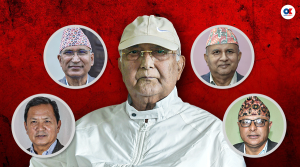
The voting results across key leadership positions further underline Oli’s strong grip on the party structure. In the race for three vice-general secretary posts, Lekhraj Bhatta, Raghubir Mahaseth, and Yogesh Bhattarai emerged victorious. Bhatta secured 1,452 votes, Mahaseth 1,368, and Bhattarai 1,348.
Of the three, Bhatta and Mahaseth were part of Oli’s official panel, while Bhattarai contested from Pokharel’s panel. Bhattarai’s victory indicates that while Oli’s faction dominates, the opposing camp has managed to retain a foothold within the upper leadership. Other contenders, including Bishnu Prasad Rimal, Anand Prasad Pokharel, Baijnath Chaudhary, and Rajendra Prasad Gautam, trailed significantly behind in the vote count.
The outcome of the secretary-level elections further reinforced Oli’s position. All nine secretary posts were won by candidates aligned with the Oli panel, leaving little room for rival factions at this crucial organisational tier. Mahesh Basnet emerged as the top vote-getter with 1,544 votes, followed closely by Padma Kumari Aryal with 1,530 votes and Chhabilal Bishwakarma with 1,506 votes.
Other elected secretaries include Sherdhan Rai, Hikmat Kumar Karki, Khagaraj Adhikari, Yamlal Kandel, Rajan Bhattarai, and Bhanubhakta Dhakal. Their victories collectively signal a near-complete sweep by Oli loyalists, ensuring that the party’s day-to-day organisational machinery remains firmly under his influence.
Political observers note that such a decisive outcome strengthens Oli’s hand in shaping the UML’s ideological direction, electoral strategy, and stance toward potential alliances. With trusted figures occupying key posts, Oli is expected to face fewer internal challenges in implementing his agenda in the coming years.
However, the results also raise questions about internal democracy and inclusiveness within the party. Ishwar Pokharel’s defeat, despite his long-standing role in UML leadership, highlights the shrinking space for alternative voices at the top. While pockets of resistance remain, as seen in Yogesh Bhattarai’s victory, the overall picture suggests a leadership structure heavily tilted toward one faction.
As the general convention continues, attention will now turn to Oli’s policy priorities and organisational reforms. Whether this renewed mandate translates into greater party unity and electoral revival, or deepens existing internal fault lines, will be closely watched in Nepal’s evolving political landscape.