A timely reminder that soil matters more than we often realize. Each year, the International Day of Soil brings a new slogan to draw global attention to the urgent need to protect this natural resource. This year’s theme, “Healthy Soils for Healthy Cities,” highlights how the well-being of our communities is rooted-quite literally-in the health of the soils that support our food, ecosystems, and resilience.
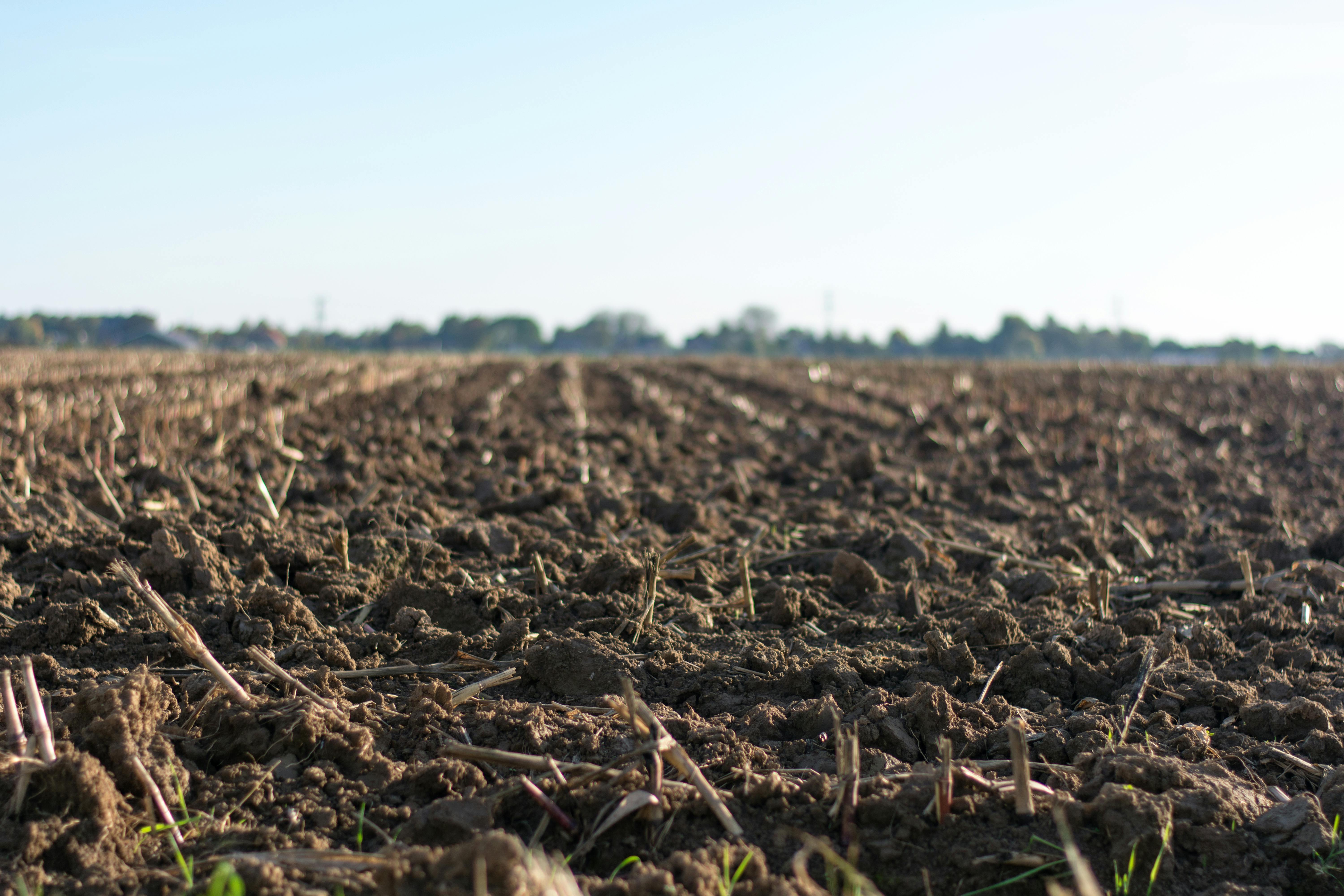
In an early morning in October, in the mid-hills of Nepal, a woman farmer kneels by her field and digs a small handful of earth. “The soil used to be so dry, the rain was unpredictable, and without irrigation, our vegetables grew weak and unhealthy,” she said, running her fingers through the crumbly layer. “But since I started taking care of my soil, my beans and other vegetables are greener, healthier – and the yield is higher than before.” For her, the change came not from anything else, but from the ground itself. Her story reflects a growing realization across Nepal’s agricultural fields – that rebuilding soil health is key to reviving productivity and resilience in a changing climate.
But is her experience unique – or part of a wider transformation? Across Nepal, farmers are facing the same struggle: tired soils, falling yields, and unpredictable rains. While some, like her, are reviving their fields through compost and better soil management, many others are still battling the invisible decline beneath their crops.
The truth is that much of Nepal’s soil is under stress. In many regions, topsoil is eroding faster than it can regenerate, organic matter is disappearing, and decades of indiscriminate and unsystematic use of chemicals have left fields acidic and nutrient-poor. Despite soil being the foundation of the country’s food security, nutrition and climate resilience, it remains one of the least understood and least prioritized natural resources.
In Nepal, soil is not inert. It anchors crops, stores water, cycles nutrients, and buffers against extreme weather. Yet evidence shows that the country is losing its soil’s vitality at alarming rates. Studies show that average soil erosion in Nepal stands at about 25 t/ha/year, significantly above global averages. In the middle mountain region, the rate can reach 38.4 t/ha/year while some field plots in the western mid-hills lose over 40 t/ha/year. Nationally, up to 369 million metric tons of soil may be lost annually. The warning signs are unmistakable. As topsoil – the nutrient-rich layer that sustains crops – washes away, the land loses its fertility and becomes more fragile. Experts warn that “topsoil protection should be the main focus to protect Nepal’s erodible landscapes”
Climate change amplifying threat
Soil degradation in Nepal does not happen in isolation – it both feeds and is fed by climate change. Erratic rainfall, intense storms, and prolonged droughts destabilize soil structure, reduce organic matter, and accelerate erosion and landslides. The national climate change survey 2022 found that 78 percent of households report declining stream flows, and nearly 45 percent identify drought as a major threat. As soils lose their organic matter, they hold less water – turning what used to be natural buffers into risk points for floods and landslides. Moreover, degraded soils release carbon instead of storing it, weakening Nepal’s role in global climate mitigation. Healthy soils, on the other hand, act as powerful carbon sinks. Restoring them through organic matter management is therefore not only an agricultural priority but also a climate solution.
For smallholder farmers, the impacts of soil degradation are visible: smaller harvests, greater input costs, and more uncertainty. But the stakes extend far beyond individual farms. Agriculture remains the backbone of Nepal’s economy, supporting nearly two-thirds of the population. When soils fail, so does national food security. Land degradation also increases disaster risk. According to ICIMOD, the loss of eroded soil in mountain watersheds degrades downstream rivers, reduces water quality, and increases flood hazards. And if soils no longer store carbon, Nepal’s climate commitments will falter.
Nepal’s steep slopes, fragile geology, and monsoon rains make it naturally prone to erosion. Yet human pressures compound the problem – deforestation, overgrazing, excessive tillage, and heavy chemical use. More than 66 percent of soils are overly acidic, with key nutrients such as zinc and potassium deficient. Digital soil mapping by the Nepal Agricultural Research Council provides soil data; however, in practice, farmers rarely have access to soil testing or receive tailored guidance on nutrient management. The result is a silent but steady decline in soil fertility, leading to lower yields, higher dependence on synthetic inputs, and weakened resilience to climate shocks.
Soil fertility response: From manure to black gold
As soil fertility declines across Nepal’s agricultural lands, farmers are turning to a new solution gaining ground in rural communities: Tricho-vermicompost, an enriched organic fertilizer now widely referred to as “black gold.” The compost blends traditional vermicompost with Trichoderma fungi, creating a potent mix that improves soil structure, boosts beneficial microbes, suppresses plant diseases, and helps crops absorb nutrients more efficiently. Early field observations show stronger root development, fewer pest and disease outbreaks, and a reduced need for chemical fertilizers – even during increasingly unpredictable rainfall.
One cooperative in Pokhara is showing just how far this innovation can go. What began as a small demonstration of Tricho-vermicomposting has steadily grown into a local model for soil regeneration, inspiring farmers across the area to rethink how they manage their land. With technical support and a modest initial investment of worms, seeds, and construction materials, the cooperative began producing its first batches of compost. Today, it packages and sells the product to nearby markets, while offering subsidized rates to subsistence farmers to encourage adoption.
What started with a handful of farmers has now expanded to 24 producers, who use and sell the compost from their own homesteads. The impacts are visible in the fields: crops like cardamom, ginger, and oranges—major income sources in western Nepal—are showing higher yields and improved resilience. Farmers report healthier soils with better moisture retention, allowing them to cut back on costly chemical inputs.
The cooperative’s success underscores a broader shift underway in rural Nepal: low-cost, nature-based agricultural innovations are not only restoring degraded soils but also strengthening local enterprises. And as demand for tricho-vermicompost continues to grow, so does the potential for community-led solutions to drive climate resilience from the ground up.
Healthy soils, healthy communities
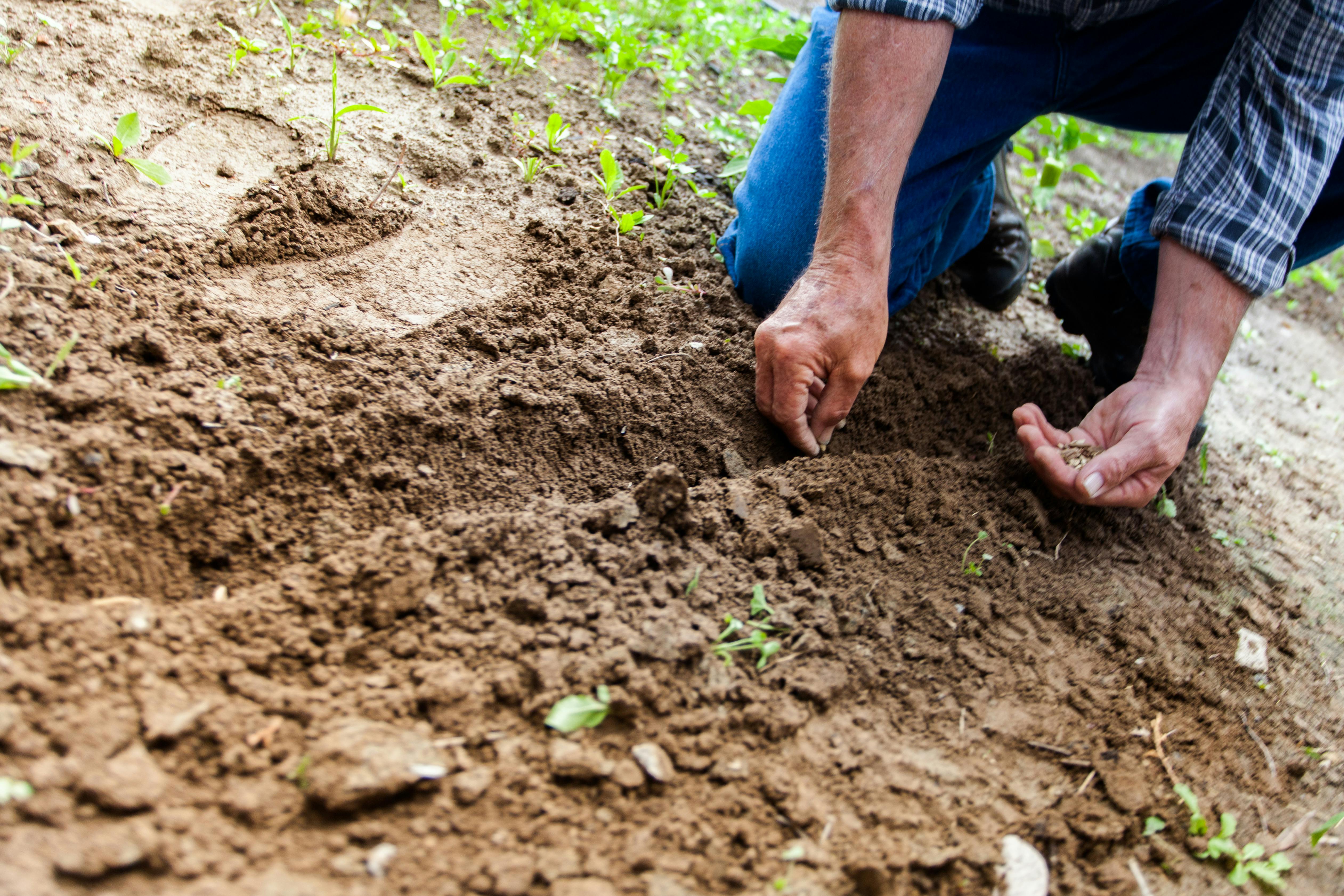
Healthy soil is the foundation of healthy communities. Nearly 95% of the world’s food – whether grains, vegetables, or fruits—comes directly or indirectly from soil, making it one of the most critical resources for human nutrition and wellbeing. But as soil degradation accelerates, the consequences ripple far beyond the farm. Declining soil fertility reduces yields, weakens the nutritional quality of crops, and erodes farmers’ incomes. For communities dependent on small-scale agriculture, poor soil health often translates into poorer diets, fewer economic opportunities, and a cycle of vulnerability that can last for generations.
In Raptisonari, Nepalgunj, a woman farmer is demonstrating what’s possible when soil is restored and farming practices evolve. She has turned her modest plot of land into a flourishing Poshan Bagaicha – a Nutrition Garden that supplies her family and community with seasonal vegetables, spices, and nutrient-rich crops.
She uses a suite of climate-smart and regenerative farming techniques, including tunnel farming, vermicomposting, diversified vegetable cultivation, integrated pest management, and small livestock rearing. These practices not only improve soil structure and fertility but have helped her achieve a steady monthly income of around NPR 200,000.
“In the beginning, it was difficult. We had limited resources, but we kept learning and improving,” she said. “Now we know that if we take care of the soil and use fewer chemicals, we can grow healthy crops.”
Her work does not stop at the farm gate. As a mother and community mentor, she emphasizes nutrition education- especially for pregnant and lactating women. She teaches other mothers about the importance of balanced diets rich in leafy greens, pulses, dairy, and fresh vegetables, and explains how good nutrition supports child development and family health.
Her story is a reminder that healthy soil does more than grow crops—it nurtures communities, strengthens resilience, and opens the door to healthier, more secure futures.
Pathways to regeneration and resilience
Across Nepal, efforts to restore soil health are emerging from all directions — government agencies, private sector actors, civil society organizations, and local communities. Yet the scale of degradation demands a more coordinated, long-term approach. For restoration, Nepal must elevate soil health as a national priority and recognize it as the foundation of climate resilience. The country’s food security, environmental stability, and climate adaptation goals ultimately hinge on the vitality of its soils.
A critical first step is the implementation of a National Soil Health Mission – a unified effort that drives progress toward the soil health targets envisioned in the Agriculture Development Strategy and Nepal’s Nationally Determined Contributions. Importantly, soil should no longer be viewed solely through the lens of agricultural productivity. Healthy soils are also powerful tools for climate adaptation and mitigation – absorbing carbon, regulating water, and strengthening ecosystems against climate shocks. Integrating soil health into broader agricultural, environmental, and climate strategies will ensure that every intervention, from fertilizer policy to watershed management, contributes to long-term resilience. Second, scaling up regenerative agriculture is essential. Practices like composting, cover cropping, agroforestry, and reduced tillage can rebuild soil fertility while enhancing farm productivity. Conservation agriculture not only enriches soil nutrients but also supports biodiversity and sequesters carbon, offering multiple benefits for both farmers and the environment. Third, the focus must extend beyond individual fields to the wider landscape. Restoring terraced hillsides, reforesting degraded areas, and protecting watersheds can stabilize slopes, prevent erosion, and revive the fertility that sustains rural livelihoods. Fourth, Nepal needs to expand soil testing and advisory services. Strengthening local laboratories, and training farmers to interpret and act on soil data will ensure that science informs day-to-day farming decisions. Finally, the government should incentivize farmer-led solutions. Supporting innovative, community-based natural farming systems can enhance both soil biodiversity and economic resilience, empowering farmers as stewards of the land.
By weaving soil health into every layer of policy, practice, and community action, Nepal can restore its landscapes, secure its food systems, and build a more resilient and healthy future from the ground up.