
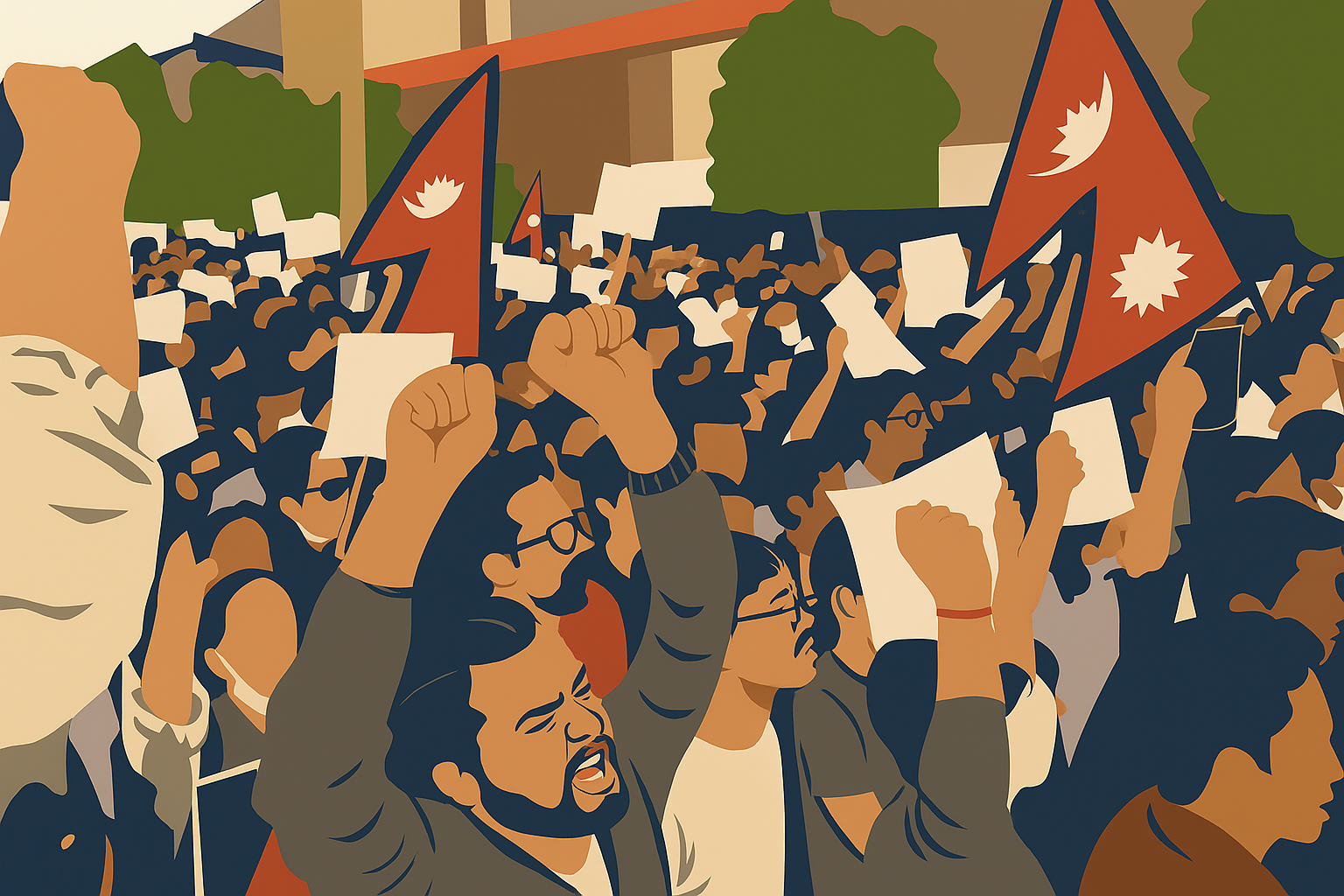
It has been five months now. The mornings in Kathmandu feel normal again. People no longer smell the gas, but they still remember what happened here. Nepal is ready for the election that will take place on March 5. This does not feel like just a vote for the people; it is a test to see what they truly want. Young people came together in September 2025.
They were deeply upset and did something about it; they actually brought down the government. This is the reason for having an early election than expected. One thing is sure: people were very angry and wanted to be heard. They made their voices loud and clear. The whole thing started on September 4, 2025, with a government notice that banned social media accounts like TikTok, Facebook, and others.
Officials said they did this for stability. For many Nepalis, it felt like someone had suddenly turned off the lights. For people under thirty, the internet is not just something you use for fun. It’s a classroom, job board, newsroom, and megaphone. Freelancers earn from global clients. Students find materials they can’t get locally.
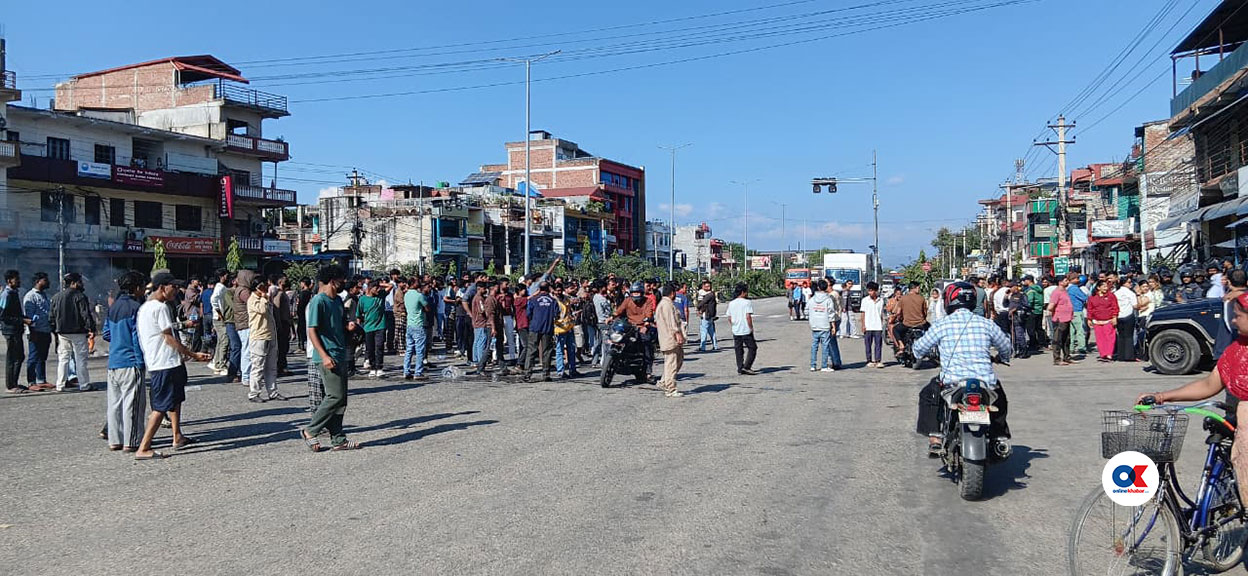
Activists post evidence that traditional outlets won’t touch. People were really angry and moved fast. By September 8, 2025, the streets of Maitighar and New Baneshwor were packed with people. Something similar happened in other major cities like Pokhara, Biratnagar, Dharan, and Butwal. There were no party flags, no leaders around, and no one stood on a stage telling the crowd what to do.
They held up their phones to show the banners, and the protests grew fast because people shared everything online. They used hashtags that quickly became popular. A young woman wearing a kurta suruwal told a reporter that they had no leaders, only group chats. The people involved did not have a clear plan; they just went out without thinking much about what they would do. The government found it hard to keep everything under control and was very tough on the people, serious about stopping the protests.
They used many tools to control the crowds; the police had shields, sticks, and special guns that shot water and tear gas. Local news showed what was happening. The movement gained wide attention from the community. In the end, the prime minister resigned because of the protests. After negotiations, major parties agreed to form an interim government and hold early elections on March 5.
I remember people walking in the streets during the day and watching the news at night, like they did before during the Nepali Civil War, Jana Andolan I and II, and the Madhes protests. The young were always at the front. The young generation today is different from the one in the past because of the internet and mobile phones. We grew up in the republic declared in 2006.
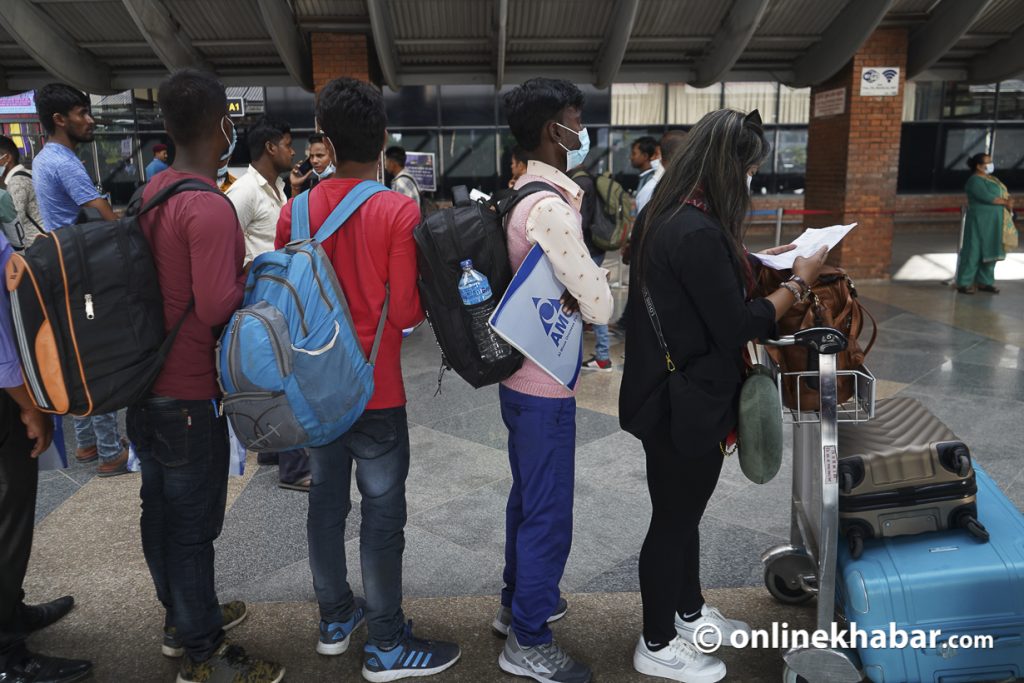
I remember my parents telling me stories about how brave the people were. The government has not been able to do much for the people because the fighting is often about chairs and power, and governments have not lasted long. The recovery after the 2015 earthquake was not the same for everyone. People are leaving for better opportunities, and those who leave will not be coming back soon. My friends and siblings are going to other countries, not to chase dreams but for work and study.
College graduates without jobs seem to be more than 20 percent. They put in the effort to earn a degree, then find that it is more important to know people than to be good at academics. This shows how frustrated jobless people are. Sometimes it feels like being good at something does not matter when you are looking for work. It is not fair to people who work hard for a degree because, at the end of the day, they still struggle. Life is getting tougher as the cost of living rises.
When you have to spend money on rent, transportation, and helping your family, it seems that jobs are given to those loyal to certain individuals, not to those who are truly capable. People do not talk about politics the way they used to. Politics was once something people discussed over tea, at dinner, or in their free time.
Even people who never cared about politics are now asking questions. Political parties have noticed this change, and their manifestos reflect it. Politics is about the people, so it is good that parties are focusing on them. They talk about support for young entrepreneurs, job training, and internet freedom.
Candidates in their thirties and forties are stepping forward, talking about transparency and merit. Independent candidates are gaining visibility. Senior leaders are trying to keep up by opening social media accounts and following trends. Sometimes it feels awkward; they clearly feel the pressure. The protests were successful and happened almost on their own. No one was in charge, and that made them strong. But this also had downsides; young people now wonder whether voting really makes a difference.
There are more than 1.2 million new voters, most of them from Generation Z. Campaigns are happening everywhere. Candidates want conversations with voters, so they go door to door. They ask for votes online, and the internet is full of appeals. This happens every day. Some young candidates want to channel the energy from the streets. Still, the question remains: will young voters show up for candidates who reflect their demands, or will frustration keep them home?
I was one of those who marched. At that time, I was angry and hopeful at once. I remember it like yesterday; it is still on my mind. We need to keep fighting for our rights. Voting should feel like standing up for what is right, not like giving up. It must feel like we are still saying we want things to be different, that we want change.
If activism and elections become separate things, the power of the youth will fade as fast as it came. I will vote with the mix of hope and anxiety I felt on those streets, feeling the energy and the bravery around me. I am not looking for heroes; I want to see that energy and bravery make a difference. I am looking for people, parties, or independents who understand that legitimacy must be earned, not inherited. The tear gas has cleared. The question has not.