
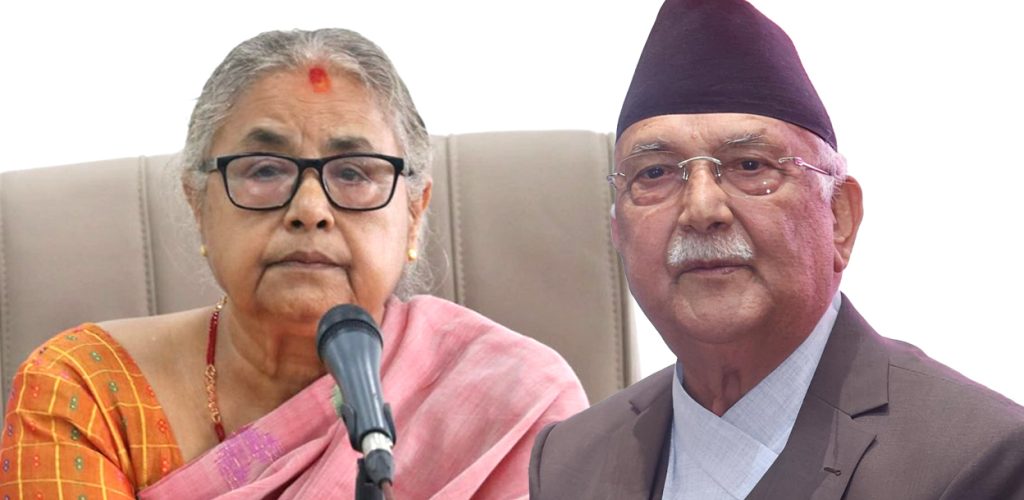
Two months ago, the Gen Z youth forced KP Sharma Oli out of power after weeks of fire on the streets. Everyone thought the nightmare was over. Wrong. Today, those same streets belong to the same young faces, only now they scream against the woman they themselves put in Baluwatar.
Sushila Karki, Nepal’s first female prime minister and the former chief justice, whom they crowned as their saviour on Discord, has become the new villain. Protesters call her government “KP Oli 2.0”, and they are not joking. Cronyism is back, broken promises pile up, and the police batons that disappeared for a week are swinging again.
Yesterday, on November 25, Gen Z leaders tried to march into Singha Durbar to demand answers. They never made it past the gates. Riot police charged, dragged the organisers away, and dumped them kilometres from the centre. No dialogue, no explanation, just force. The very tactics the youth rose against in September are now being used against them by the leader they chose. The revolution is eating its own hero, and the taste is bitter.
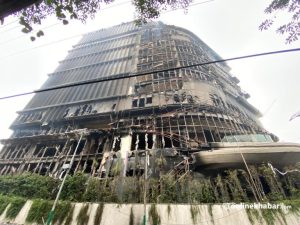
The protests, which claimed at least 76 lives in early September, began with a government ban on 26 social media platforms, including Facebook, YouTube, and X (formerly Twitter). Fueled by high youth unemployment around 20% and viral exposés of elite “Nepo Kids” flaunting unearned wealth, the movement escalated into nationwide chaos. Parliament burned, ministers resigned en masse, and Oli fled by air. Gen Z activists, coordinating via Discord servers with over 145,000 members, polled users and selected Karki a former Chief Justice known for anti-corruption rulings as interim leader. On September 12, President Ram Chandra Paudel swore her in, dissolving parliament and scheduling elections for March 2026.
Karki’s ascent was hailed as a triumph for judicial integrity. Yet today, as baton-wielding police blocked activists like Miraj Dhungana a key Gen Z organiser from the “Garikhan Deu” campaign from accessing government offices, the optimism has curdled. Eyewitnesses said police grabbed the front-line youth Gen Z leaders by their collars and literally hauled them into vans. They drove them all the way to Hanumansthan and dumped them on the roadside, three or four kilometres from Singha Durbar. Same old script from September, only the uniforms now answer to a different boss.
Raksha Bam, 22, used to post selfies with “Thank you, Justice Karki” captions back when everyone thought the former chief justice would clean house. Yesterday, she stood behind the police line, voice hoarse from shouting. “We tore down one rotten government just to hand the keys to another that wears judicial robes as camouflage,” she told anyone with a microphone. She sounded more tired than angry.
That one afternoon exposed everything. The young leaders approached to discuss the money owed to the families of the 76 victims, the hospital bills the government promised to cover, the silent anti-corruption commission, and accountability from the previous administration. They departed with bruises and damaged banners. The conversation lasted no more than a moment; instead, batons spoke on their behalf.
This is not an isolated flare-up. On November 20, a coalition of 23 Gen Z groups petitioned Paudel directly, demanding Karki’s removal for “sidelining the rebellion’s core demands.” They cited failures to compensate families of the 76 deceased promised NPR 1 million each under the law and treat injured protesters, violating Article 22 of Nepal’s 2015 Constitution, which prohibits cruel treatment and mandates victim redress. The interim government’s judicial inquiry into the September violence, formed under the Commissions of Inquiry Act 1969, has summoned former officials but still fails to summon Oli and former Minister of Home Affairs Ramesh Lekhak and has stalled on accountability for security forces.
Karki’s administration has stumbled into scandals that mirror Oli’s excesses. In October, she nominated Khagendra Sunar, a Dalit activist facing multiple charges, including contempt of court, vandalism, and assault, as Labour and Employment Minister. Public backlash forced a withdrawal, but not before Hami Nepal, led by activist Sudan Gurung, rallied outside Baluwatar, chanting “Prime Minister Sushila Karki resign now” over exclusionary cabinet picks that ignored Gen Z input.
In mid-November 2025, Nepal’s Attorney General Sabita Bhandari drew widespread condemnation for abusing her authority to shield Hope Fertility and Diagnostic Pvt Ltd, a Kathmandu-based IVF facility in Babarmahal, from prosecution on charges of exploiting underage girls.
The Central Investigation Bureau of Nepal Police had launched a probe in July after guardians of two 16-year-old girls reported that their daughters were deceived with offers of modeling gigs, given hormone injections, and subjected to unauthorised egg harvesting, with the ova allegedly trafficked on the underground market for as much as Rs 1.8 million apiece, contravening the Human Trafficking and Transportation Control Act 2064 and child welfare provisions under the Muluki Ain 2074 that carry sentences of 10 to 15 years.
Despite detaining five clinic staff members and securing medical evidence of hormone traces, Bhandari, whom Interim Prime Minister Sushila Karki had named to the role in September as her first female appointee and personal legal counsel, quietly instructed deputies on October 17 to drop the case, claiming weak proof even as forensic reports contradicted her. Leaked records from the Office of the Company Registrar, scrutinised by the Kathmandu Post, exposed Bhandari’s daughter among the clinic’s stakeholders, creating an irreconcilable conflict that flouted Section 14 of the Attorney General Act 2040 BS, which requires recusal in matters of private interest.
The Nepal Bar Association issued a scathing rebuke on November 18, labelling it a “perversion of justice,” while Human Rights Watch amplified calls for her ouster, citing over thousands of complaints lodged with the Commission for the Investigation of Abuse of Authority under Article 239 of the Constitution, demands that went unheeded amid Karki’s administration.
Gen Z activists, still raw from September’s 76 protest deaths, seized the outrage in social media, branding it the “fertile betrayal” and weaving it into their November 20 petition from 23 youth coalitions to President Ram Chandra Paudel, which cataloged Karki’s betrayals and escalated street actions by November 25, including clashes at Singha Durbar where riot police dispersed marchers demanding victim reparations.
This episode crystallised the interim government’s slide into the cronyism it vowed to dismantle, eroding Karki’s reformist sheen and propelling the #PMKarkiResignNow torrent on social media platforms.
Nepotism allegations peaked on November 24, when reports surfaced that Karki’s Chief Private Secretary, Adarsha Shrestha, appointed his wife, Sangita Shrestha, and several relatives to high-level secretariat roles, citing “confidentiality needs.”
The Gen Z groups blew up the moment the news broke. They called it straight-out abuse of authority, the exact crime spelt out in Section 3 of the Prevention of Corruption Act 2059. In plain language, if you hand cushy government jobs to your wife and cousins just because you can, you are looking at anything from six months to life behind bars, plus a fine three times whatever cash you sneaked to the family. That is the law.
Yet the Commission for the Investigation of Abuse of Authority, the one body that can freeze bank accounts today and start a full probe tomorrow under Sections 56 and 57 of its own Act, has stayed dead quiet. Article 239 of the Constitution gives the CIAA teeth. Right now, those teeth are nowhere to be seen.
Karki’s people put out a two-line statement claiming every appointment was perfectly legal. Nobody is buying it. The woman who once sent ministers shaking with a single court order now shields the same kind of nepotism she used to crucify. The anti-corruption halo she wore in September is cracked beyond repair, and every day she stays silent it shatters a little more.
These lapses compound deeper constitutional flaws in Karki’s tenure. Article 132(2) of the 2015 Constitution bars former Chief Justices from any political office to preserve judicial independence a safeguard Karki herself once upheld.
Her appointment, justified by Paudel as a “necessity” amid chaos, bypassed Article 76’s requirement for parliamentary majority support. The Nepal Bar Association labelled it a “categorical breach,” and petitions before the Supreme Court argue it erodes the federal democratic republic under Article 4. Impeachment under Article 101 looms for such violations, barring future eligibility.
Karki’s past as Chief Justice (2016-2017) offers little reassurance. Appointed on Oli’s recommendation, she faced impeachment by 249 lawmakers from Nepali Congress and CPN-Maoist Centre for “bias and executive interference” after a Supreme Court ruling overturned the government’s police chief pick, favouring merit over favouritism.
Human Rights Watch and the International Commission of Jurists decried the motion as an attack on independence, but it exposed her confrontational style. She resigned weeks before retirement amid protests, a chapter her 2018 autobiography Nyaya (“Justice”) glosses over without reckoning for the instability it bred.
In dissent during the 2013 Om Bhakta Rana v. CIAA case on Sudan peacekeeping corruption, Karki ruled former Chief Justice Khil Raj Regmi’s interim premiership unconstitutional a stance now haunting her own role. Article 128(2) mandates impartial constitutional interpretation; her selective clashes with executives, now as one, betray that duty.
Governance under Karki has faltered further. Over 12,500 prisoners escaped amid September chaos, with fugitives crossing into India; many weapons remain unrecovered. This violates Article 51(a)(5)’s call for accountable security forces.
The National Vigilance Centre, under prime ministerial oversight per Section 37 of the Prevention Act, has issued no alerts on irregularities. Nepal’s robust anti-corruption framework including the Money Laundering Prevention Act, 2064 (2008) and UNCAC ratification in 2011 demands whistleblower safeguards via the Right to Information Act, yet Karki’s silence implicates complicity under Article 80’s ministerial oath.
As X posts surge with #SushilaKarkiResignNow and #GenZProtestNepal, the youth who bled for change 76 dead nationwide, per Human Rights Watch refuse to relent. Karki must resign under Article 77(1)(a), submitting notice to Paudel, or face no-confidence per Article 100. Restoring parliament, empowering the CIAA, and honouring Gen Z’s Discord-born mandate are non-negotiable. Nepal’s revolution was not for recycled hypocrisy, but for leaders who serve, not shield, the people.