“Why are all the Nepalis songs we have listened to so far all love songs? Why is love so important to Nepal?” Sophie asks me, fixing the neck of her sweatshirt.
We drive down the rustic country roads of rural Maine, looking out at the ever-so-familiar shrubbery. A road twirling around trees and shrubs is what home feels like. Bumpy patches strung delicately through a paved road, just like those bumpy sections of Ring Road. The hills, the bends- it all reminds me of Nepal.
Just past the exit outside Ring Road into Gyaneshwor, a couple lean over their plate of dal bhuja, staring at the dusty CRT TV in the corner of the room. Their eyes are glued to the news, waiting for a glimpse of their chora. They know he is out in Maitighar, despite all their warnings. Their eyes search for the familiar face of their son, wanting to make sure he is okay.
Down in Maitighar, a young man clutches onto a wooden flagpole. He stamps his foot onto the bonnet of a blue Toyota, waving the Nepalese flag as high as he can reach. He is surrounded by his classmates at Kathmandu University, who hold little pieces of A4 paper that read Gen-Z United. The other side of the page is their economics homework.
A line of people in blue uniforms stands in front of him and his friends. They hold shiny cans of tear gas in their hands. Dijju recognises her brother in the crowd, waving the flag she used to see hung under the roof of her Mamaghar. As she takes off the ring on the corner of the can and chucks it towards him, a tear runs down the corner of her cheek.
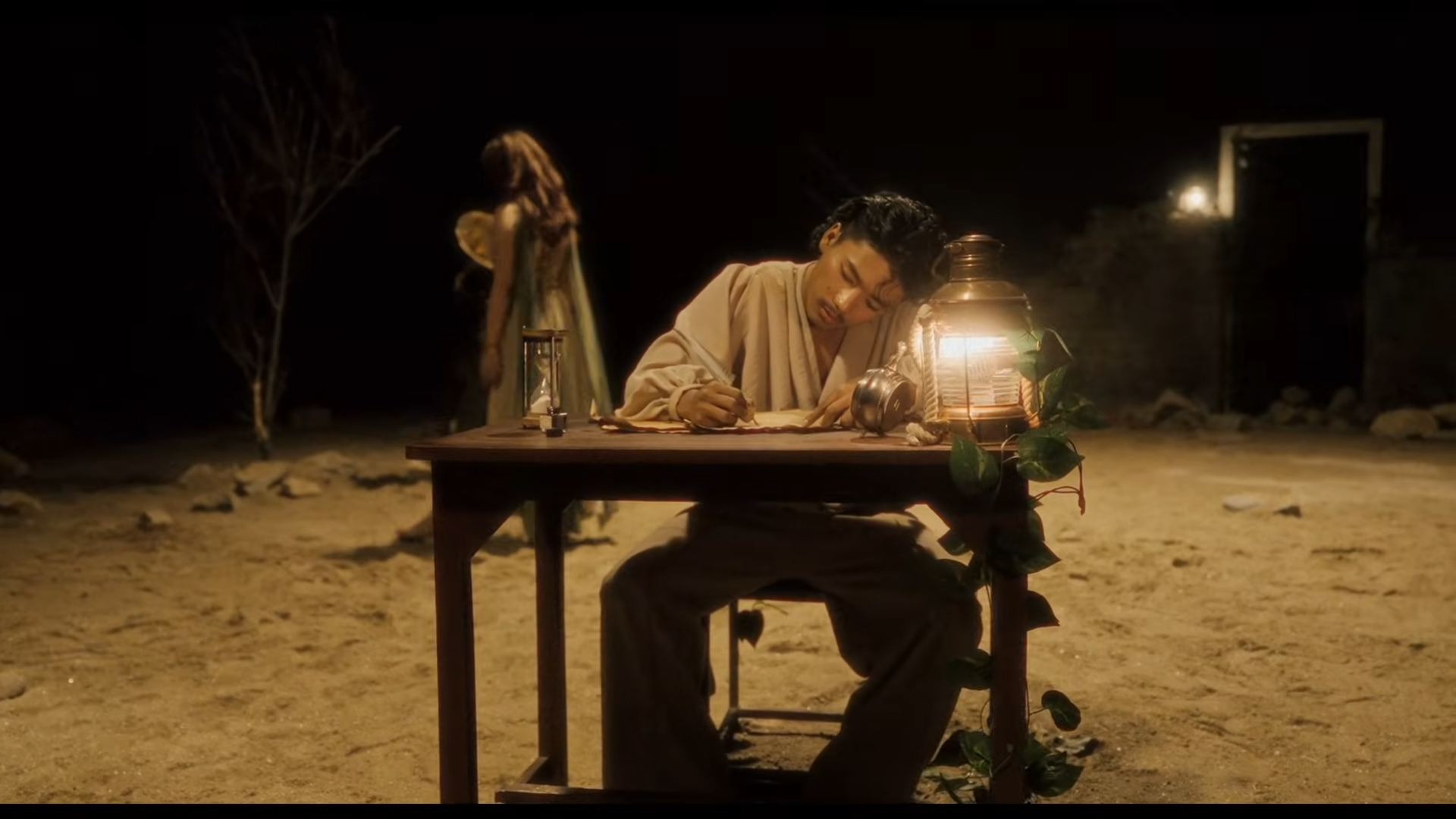
A white van passes by them, on the other side of the road. A little girl and her bhai sit together. She leans on his shoulder, looking at their house way down the road getting smaller and smaller as they drive in the opposite direction. She tells her bhai how she wants to spend just one more day at home, not at boarding school. The front of the van has a little radio that plays Sabin Rai’s Malai Angali Deu.
The nature of our lives is so full of experiences that we are always wanting more. We don’t want the happiness of our lives to end, and we want all the bad things to change.
I want to reminisce about my time in Nepal; those little children in that van just want one more day at home before they have to go to boarding school. We both want those happy times to go on forever but are left just remembering them.
On the flip side, that young man with the flag doesn’t want to protest but feels the urge to fix a corrupt system because he knows it’s harming people. His sister doesn’t want to throw tear gas at him; she may even support his cause, but the lawmakers have told her to stop the protests. Their family waits at home for the time when their son will be back. No one wants to be fighting, especially against family. They all yearn for the time when they can be happily enjoying a meal together.
Sadly, we cannot stop time. Siddhartha Gautama, our Nepali Buddha, teaches us that time is impermanent- it will go on, our world is in a constant state of flux, and we cannot change it in our favour. So, we turn to our minds to remember all our happy memories and hope to change all the bad parts of life. And in this process, music is our strongest ally.
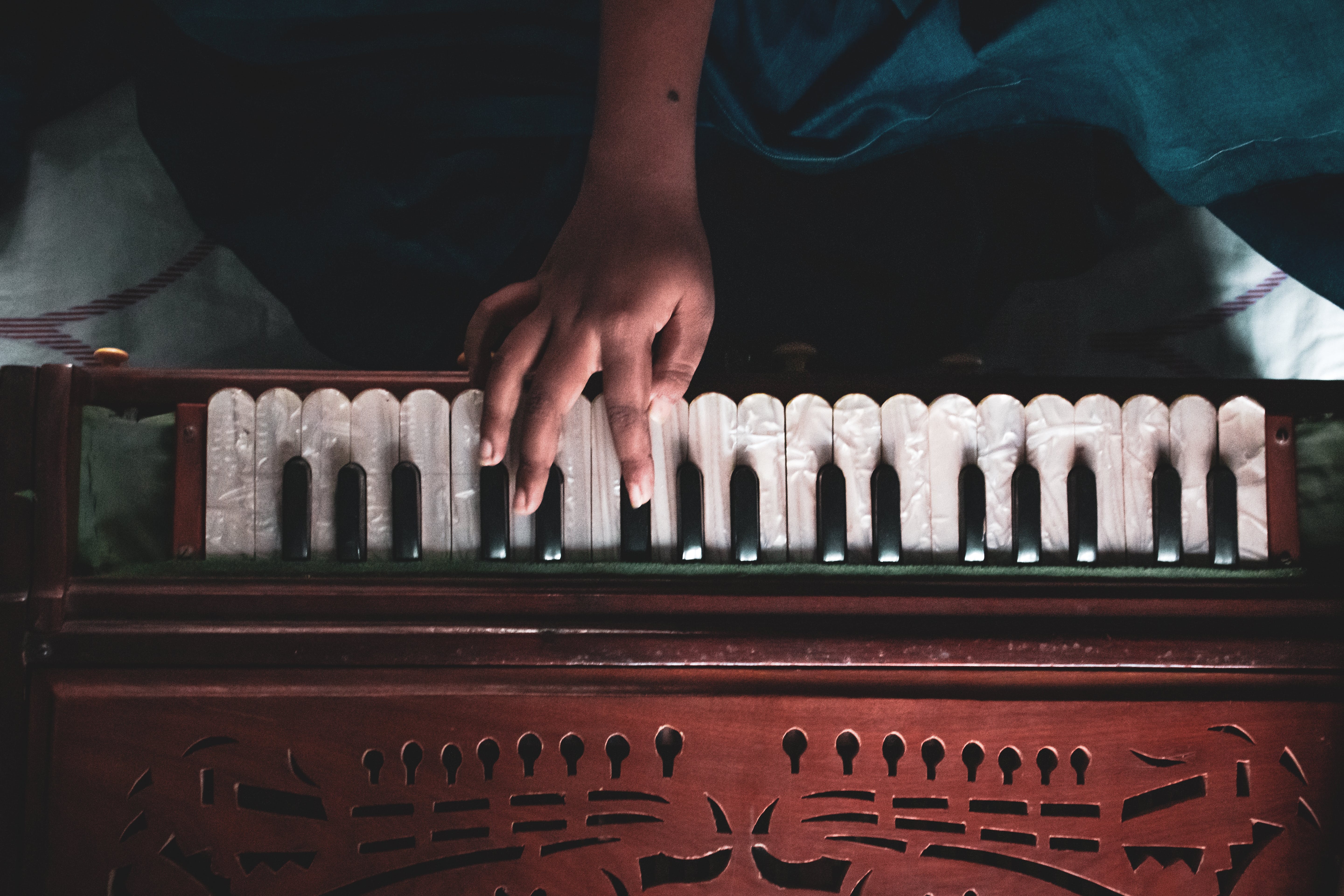
The “nyano angaloma” of Malai Angali Deu is not just a warm hug between a couple, I tell Sophie. It is love- that which encompasses all the yearning for more in our lives. It is the memory of a happy family sitting and eating dal bhuja together, a young brother and sister spending time back home from boarding school, all the joy from my time in Nepal. It is also the hope for a united Nepal after political instability.
It is the thought of a place “Jaha afsos nahos dhoka nahos,” a place without regret, without trickery. It is the place where “dherai sapana saji jeuda cha” many dreams are fulfilled.
That is what I see in Nepali love songs. Not just a romantic relationship, but a yearning for more in many aspects of our lives. If we are going to have a prime minister who is a musician, that is a calling for us, Nepali’s across the world, to think about the love phenomenon of our country’s music.