Major Nepali and English broadsheet dailies published in Kathmandu on Friday have given priority to a host of issues from political, sociocultural and economic spheres. Chief Justice Cholendra Rana summoning nine judges to report to the Judicial Council has received a lot of attention. Meanwhile, reports on the PM’s plans to answer lawmakers’ questions on Friday has also been discussed on the front pages today.
Here is a summary of important, ignored and interesting stories from the cover pages of national broadsheets:
Important
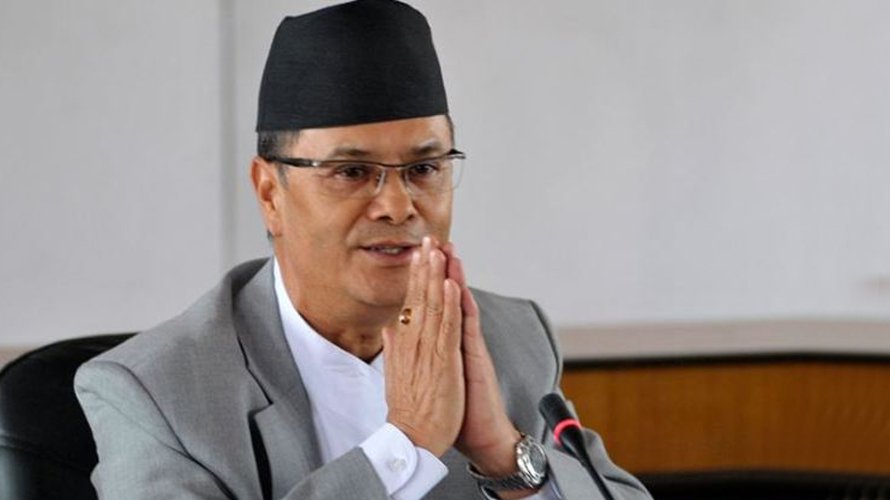
CJ to take action against nine judges
Kantipur, Rajdhani, Nagarik, Annapurna Post and Republica report that Chief Justice Cholendra Shumsher Rana has summoned nine judges of various high courts to the Judicial Council over suspected deviations in the 33-kg gold smuggling scam. Of the total nine judges summoned to the JC, five (Nagendra Labh Karna, Saranga Subedi, Thir Bahadur Karki, Umesh Kumar Singh and Umesh Raj Paudel) are from Biratnagar High Court. They were summoned to the council allegedly for their wrong judgments in the course of releasing the accused involved in the gold smuggling scam.
Court officials, however, did not disclose the names of the other four judges summoned. Before summoning the judges, a five-member team led by Secretary of the JC Nripa Dhwaj Niraula visited Biratnagar to look into the court decision. CJ Rana has vowed to launch reforms in the judiciary by forming a monitoring mechanism.
Nagarik also reports that a division bench of CJ Rana and Justice Ishwar Khatiwada scrapped the interim order issued by Justice Deepak Raj Joshee on December 25 asking Nepal Telecommunication Authority (NTA) to give permission to CG Communications Pvt Ltd to operate mobile services. Industrialist Binod Chaudhary owns the communication enterprise. Acting Chief Purushottam Khanal of NTA filed an application to vacate the apex court order.
PM Oli to answer lawmakers questions
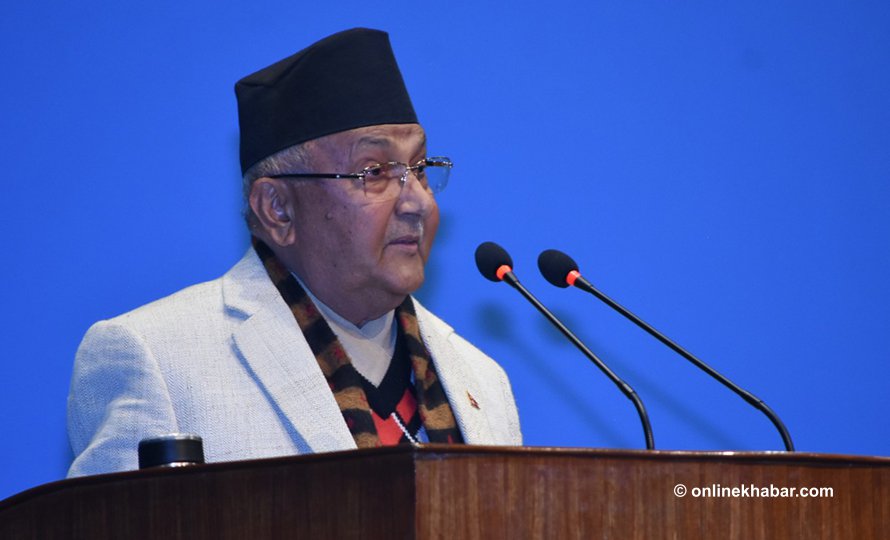
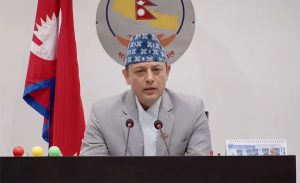
Kantipur, Nepal Samacharpatra and The Himalayan Times report that Prime Minister KP Sharma Oli will answer lawmakers’ questions for the first time since his election. A meeting of the Business Advisory Committee of the Hosue of Representatives led by Speaker Krishna Bahadur Mahara and attended by Nepali Congress lawmakers decided to organise a direct question-answer session with the PM on Friday. According to HoR regulations, lawmakers can pose questions to the PM related to PMO and other ministries under him. Last week, NC lawmakers obstructed HoR proceedings demanding an explanation from the PM on his address to the House. The regulations state that the PM can only be asked 10 questions in one session and will have to directly respond to lawmakers questions.
Dr KC brought to Kathmandu
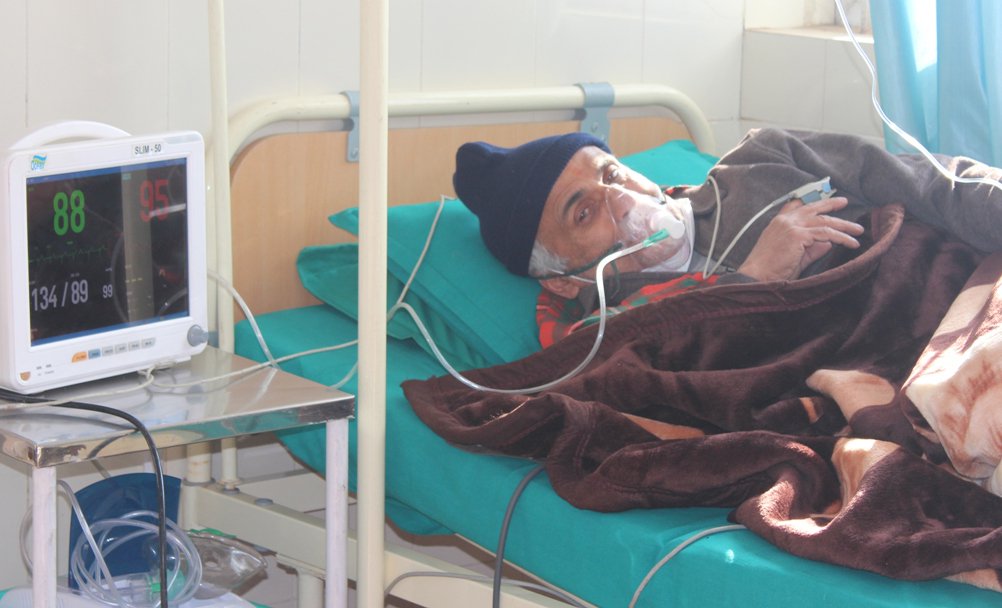
Annapurna Post and Nagarik report that medical education reforms activist Dr Govinda KC, who is staging his 16th hunger strike in Ilam, was brought to Kathmandu at 3 am on Friday. A Nepali Army chopper was sent to airlift Dr KC after his health condition started deteriorating. He is being kept at Intensive Care Unit (ICU) at Teaching Hospital. After the government failed to take care of KC, former Chief Justice Sushila Karki, former speaker Daman Nath Dhungana, Former TU Vice-Chancellor Kedar Bhakta Mathema and senior advocate Surendra Bhandari took the initiative to bring him to Kathmandu.
Ignored
TIA officials crack down on liquor
The Himalayan Times reports that the customs department at TIA has started to strictly enforce the duty-free liquor policy. Customs officials are taking action against people who are bringing in more than one litre of liquor. The TIA custom office was quite flexible with those carrying duty-free items in the past. But lately, it has become strict with passengers who possess goods in excess of the quantity of volume stipulated by the rule. Senior custom officials have ordered their employees to seize all goods that are in excess of the quota allocated to passengers. In the last two weeks, the customs office has seized up to 3000 bottles of liquor from passengers. All goods seized from the airport are auctioned.
Investors deny any wrongdoing following Nepaleaks
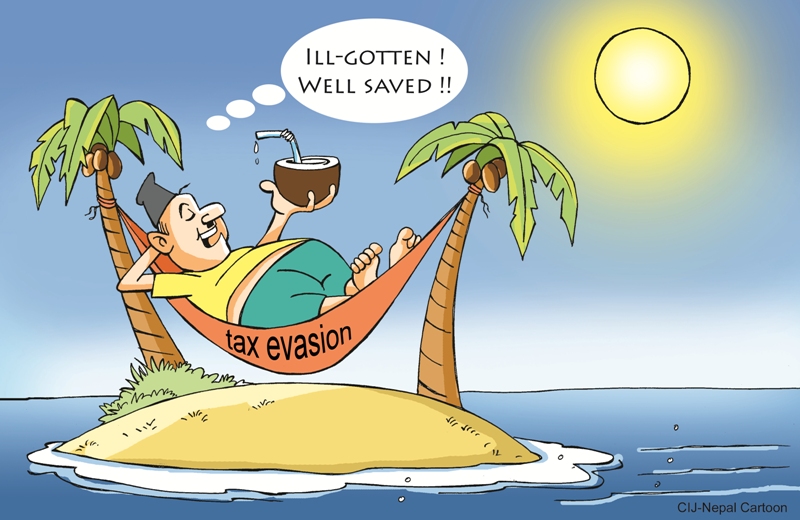
Republica reports that some individuals whose names appeared in a list of Nepalis with investments abroad have taken exception to allegations made against them. Denying that they have committed any wrongdoing, they say that the report released by the Centre for Investigative Journalists on Wednesday only puts them in a negative light and tarnishes their image.
Chandra Prasad Dhakal, chairman of the IME Group, tourism entrepreneur Rajendra Bajagain, Saurabh Group chairman Bishnu Prasad Neupane, sugar mills operator Shashikant Agrawal and businessman Arun Kumar Chaudhary objected to the report and denied that they have violated any law of the country. Dhakal says he invested in UK-based companies after taking approval from Nepal Rastra Bank in 2002. Neupane also denies reports saying that neither he nor his family members have any connection or relation with foreign companies mentioned in the report.
Interesting
Government gives green light to train purchase, will also open a shipping office
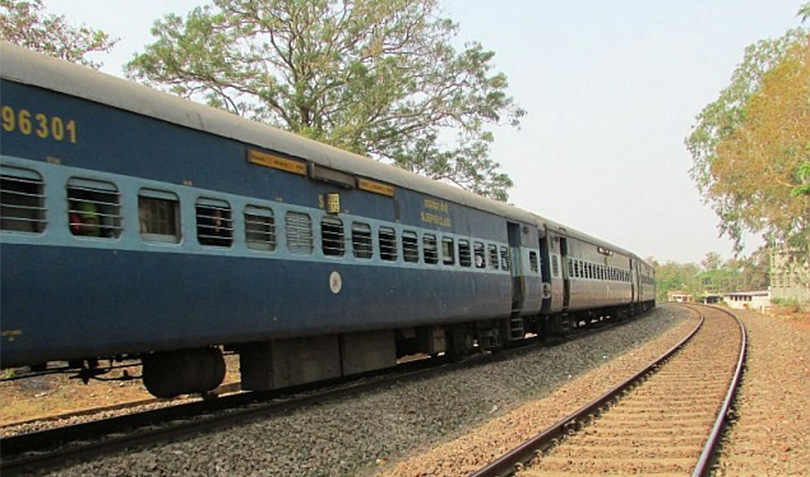
Rajdhani and Karobar report that Minister for Communication and Information Technology Gokul Baskota said that the government has authorised the Ministry of Physical Infrastructure and Transportation to procure railway carriages. The green light on train procurement has come from the government amid plans to resume passenger rail service from Janakpur to Jayanagar in the upcoming months. Baskota also added that the government has decided to establish a Ship Office with 16 vacancies to materialise the plan of cross-border shipping between Nepal and India by operating sailing vessels in Sapta Koshi River.
Government to stop giving ministers double benefits
Naya Patrika reports that the Cabinet and concerned ministries are planning to stop handing out benefits to ministers after reports of irregularities started surfacing in the media. The government is planning to launch a one window policy to curb the irregularities. The salaries and benefits of the ministers will now be handed out by their respective ministries. Prior to this decision, the salaries of the ministers came from the office of the prime minister and other benefits from their respective ministries.