Kathmandu, September 30
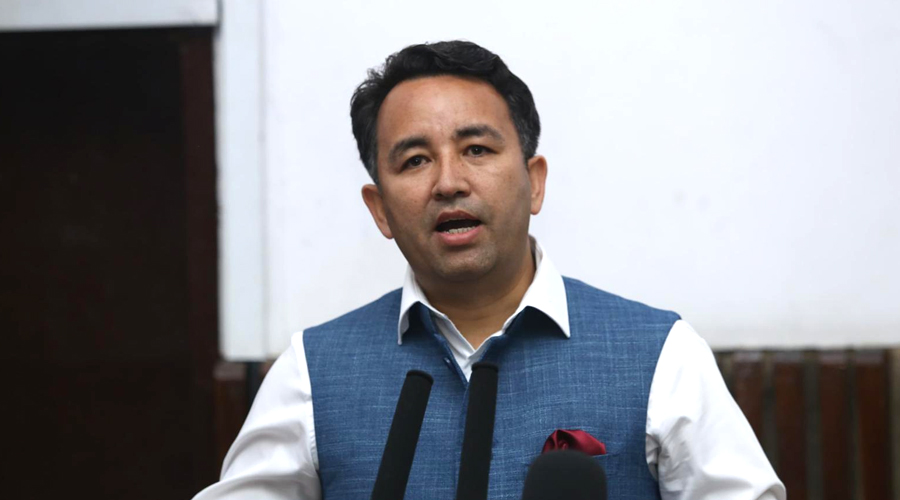
Ganesh Parajuli has been unanimously elected chair of the parliamentary special committee formed to study the impact of climate change in the Himalayas, climate justice and the Bhotekoshi-Trishuli disaster.
Parajuli was elected during a meeting on Wednesday and has since assumed responsibility for the committee.
Thanking lawmakers and others involved for entrusting him with the responsibility, Parajuli pledged to make the committee’s work meaningful through cooperation, impartial study and results-oriented efforts.
He said the committee would seek to strengthen Nepal’s position on climate justice through scientific evidence, systematic research and practical recommendations.
“The committee’s efforts will focus on strengthening Nepal’s voice raised at the global level and our position on climate justice through scientific evidence, systematic study and implementable recommendations,” Parajuli said.
Prime Minister Balendra Shah recently addressed the 81st United Nations General Assembly, where he highlighted Nepal’s climate crisis, the vulnerability of the Himalayas and the need for international cooperation.
Parajuli said the committee would study the impact of climate change across the country, including the Himalayas, and work to strengthen Nepal’s case for climate justice while developing concrete measures to reduce future human and physical losses.
He also pledged to implement the committee’s mandate through a clear work plan, division of responsibilities and a timetable, with fact-based work completed within the stipulated period.
The House had formed the 15-member parliamentary special committee at its meeting on September 21.
The committee members are Achyutam Lamichhane, Anushka Shrestha, Gangadevi Shrestha, Ganesh Parajuli, Dhananjaya Regmi, Dhruvaraj Rai, Nisha Dangi, Pushparaj Kandel, Mohan Acharya, Mingmagyabu Sherpa, Ramesh Kumar Malla, Rabindra Patel, Saraswati Lama, Sujata Tamang and Sita Thapaliya.
The committee has been tasked with studying the impact of climate change in the Himalayas, including changes in Himalayan temperatures, snowfall, glaciers, glacial lakes and watersheds.
It will review available studies and data on emerging risks, identify gaps in research and monitoring, and recommend measures to strengthen scientific research and regular monitoring.
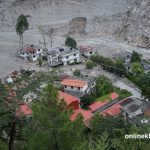
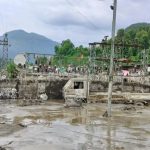
The committee will also study the causes and impacts of the Bhotekoshi-Trishuli disaster, including its origins, sequence of events, immediate causes and factors that intensified the risks. It will examine the possible links with climate change, the impact of transboundary river basins and the effects on downstream areas.
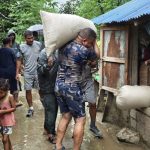
Its mandate also includes reviewing search, rescue, relief and rehabilitation efforts following the disaster.
The committee will assess the status of missing citizens, relief distribution, temporary shelter, basic services and livelihood restoration, and recommend immediate and medium-term measures based on the needs of affected communities.
It has also been tasked with developing recommendations for sustainable and safer reconstruction, studying disaster risk reduction and early warning systems, exploring opportunities for climate diplomacy and cross-border cooperation, and recommending legal and institutional reforms.