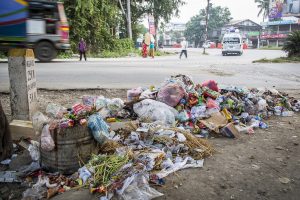
Every day, we generate waste without giving much thought to where it goes after we throw it away. A plastic bottle, a food wrapper, leftover food, or an old mobile phone may seem insignificant, but when multiplied by thousands of households, they become one of the biggest environmental challenges of our time.
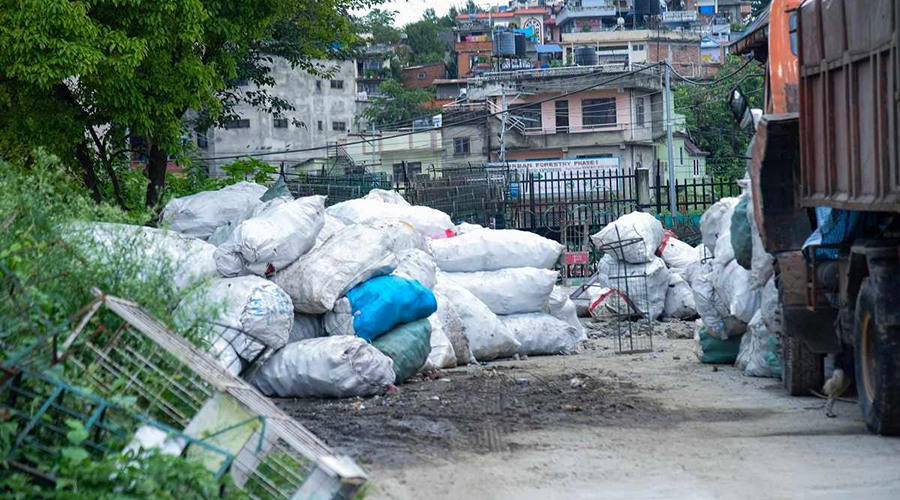
In cities like Pokhara, waste generation continues to increase with urbanisation, changing lifestyles, and growing consumption. According to recent research conducted under the Green Job Creation through Recycling and Upcycling (GCRU project), Pokhara Metropolitan City generates nearly 198 metric tons of waste every day, much of which is transported directly to landfill sites. As waste generation continues to rise, the demand for more landfill space also increases, creating long-term environmental, social, and economic challenges.
However, waste does not have to end up in a landfill. With the right knowledge, infrastructure, and community participation, waste can become a valuable resource.
Understanding waste beyond trash
Waste is often viewed as something useless that should simply be thrown away. In reality, a significant portion of what we discard still has value through recycling (transforming waste into new products) and upcycling (transforming discarded materials into products of higher value instead of throwing them away).
Organic waste can be composted into nutrient-rich fertiliser, recyclable materials such as paper, plastic, glass, and metal can be processed into new products, and electronic waste contains valuable materials that can be recovered through responsible recycling. The challenge is not the waste itself; it is how we manage it. We often stop to capture the breathtaking beauty of the mountain range, but the moment we notice plastic bottles or food wrappers in the corner of the frame, our instinct is to change the angle, crop the image, or edit the waste out. We proudly share the snow-capped peaks while leaving the litter out of the picture.
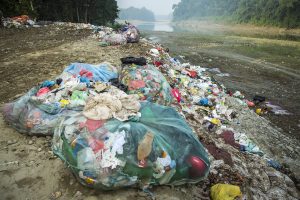
Yet, removing waste from our photographs does not remove it from our environment. Instead of asking how to keep the trash out of the frame, we should be asking why it is there in the first place and what we can do to ensure it is no longer part of the landscape. The reality is that the waste we choose to ignore does not simply disappear. It continues to accumulate in our surroundings, and when it is not managed properly, its impacts extend far beyond what we can see.
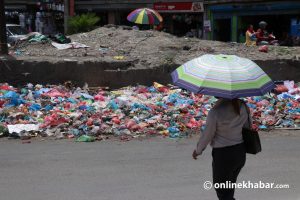
When waste is mixed together, dumped openly, or burned, it creates serious consequences. Improper waste management contributes to air, water, and soil pollution while releasing greenhouse gases that accelerate climate change. Burning waste exposes communities to harmful pollutants that can cause respiratory illnesses, allergies, heart disease, and even cancer. Waste scattered in rivers, streets, and public spaces also affects tourism, biodiversity, and the overall quality of life. Beyond environmental damage, poor waste management also results in economic losses and places additional pressure on municipalities that must continuously expand landfill sites.
Recycling and upcycling
Recycling is the process of transforming used materials into new products instead of discarding them as waste, while upcycling creatively transforms discarded materials into products of greater value or usefulness. Together, they help conserve natural resources, reduce pollution, save energy, and minimise the amount of waste sent to landfills. Beyond their environmental benefits, recycling and upcycling also create green jobs and support the circular economy.
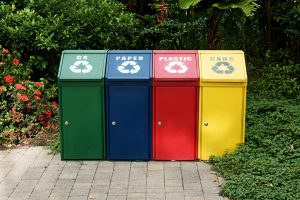
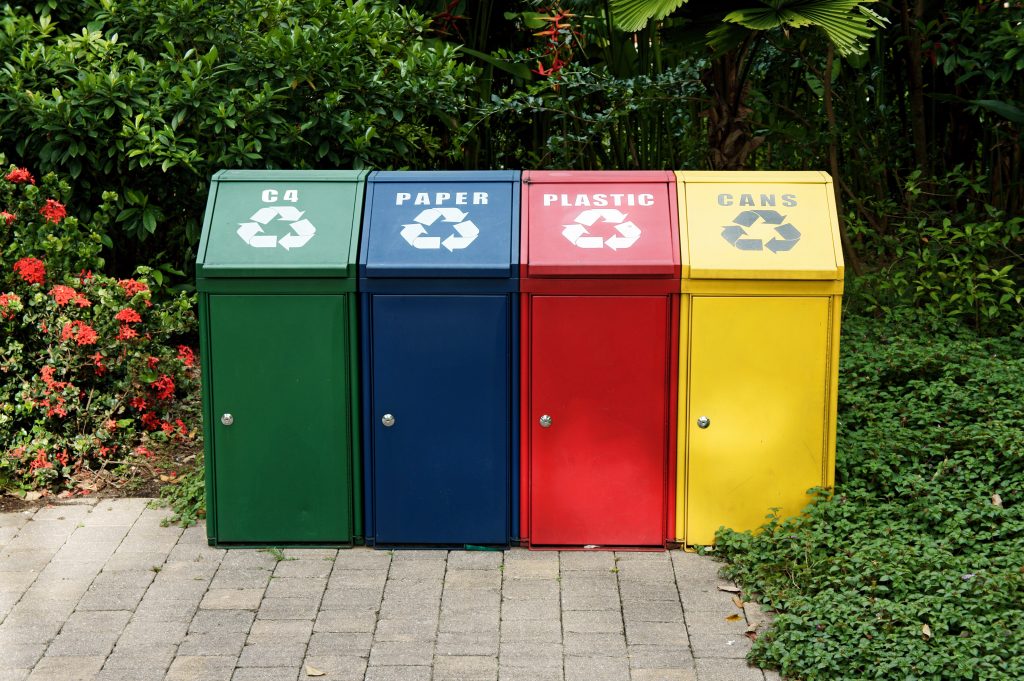
Upcycling, in particular, encourages us to consume less by making the most of what we already have. Instead of purchasing new products, we can creatively repurpose discarded materials into useful items, helping us save money while reducing waste. An effective waste management system begins at home, in schools, offices, and businesses. Waste segregation at the source means separating waste into different categories before disposal. Organic waste can be composted, recyclable materials can be collected for recycling, while only the remaining non-recyclable waste should be sent to landfill. When waste is mixed together, recyclable materials become contaminated and valuable resources are lost.
Simply separating waste at the point where it is generated significantly increases recycling rates and reduces pressure on landfill sites. A circular economy encourages us to rethink how we produce, consume, and dispose of products. Instead of following the traditional “take, make, and throw away” model, a circular economy keeps materials in use for as long as possible through reducing, reusing, repairing, recycling, and recovering resources. Practising the 7 Rs-Refuse, Reduce, Reuse, Repair, Rethink, Recycle, and Rot (compost) helps minimise waste generation while maximising resource efficiency. Composting kitchen waste, choosing reusable products, repairing damaged items, and recycling correctly are simple actions that contribute to this larger system.
Building sustainable waste solutions
Building a sustainable waste management system requires collaboration among individuals, communities, businesses, municipalities, and development partners. No single stakeholder can solve the waste crisis alone.
An effective waste management system combines awareness, waste segregation at source, regular collection services, material recovery facilities, recycling and upcycling initiatives, composting, responsible consumption, refusing unnecessary single-use plastics, and strong government policies. Waste management companies and recycling organisations also play a vital role by collecting, sorting, processing, and recovering valuable materials that would otherwise end up in landfills.
Together, innovation, technology, supportive policies, and active community participation form the foundation of a sustainable waste management system and a thriving circular economy. The future of sustainable cities depends not only on better infrastructure but also on changing the way we think about waste. When we begin to create value from waste, we move one step closer to building a cleaner, greener, and more circular future.