
As the world marks the International Day Against Homophobia, Biphobia, Intersexism, and Transphobia (IDAHOBIT) today, conversations around inclusion, dignity, and equal participation remain as urgent as ever.
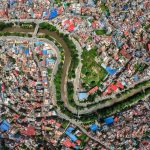
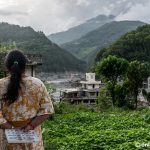
In Nepal, one of the places where these conversations are beginning to move beyond policy language and into everyday reality is Birendranagar, Surkhet.
In February 2025, a collaboration between the European Union and the government of Finland brought together a roundtable discussion in Kathmandu titled Strengthening LGBTQIA+ Participation in Municipal Urban Planning and Design. The event was held under the Cities 4 Women: Inclusive and Climate Resilient Urbanisation in Nepal project.
The federal-level discussion brought together municipal representatives, urban planners, development partners, and members of the LGBTQIA+ community from seven municipalities where the project is being implemented.
The purpose was clear: to ensure that conversations around inclusion taking place at the federal level would not remain confined to the capital city but would shape urban planning at the provincial and local levels as well.
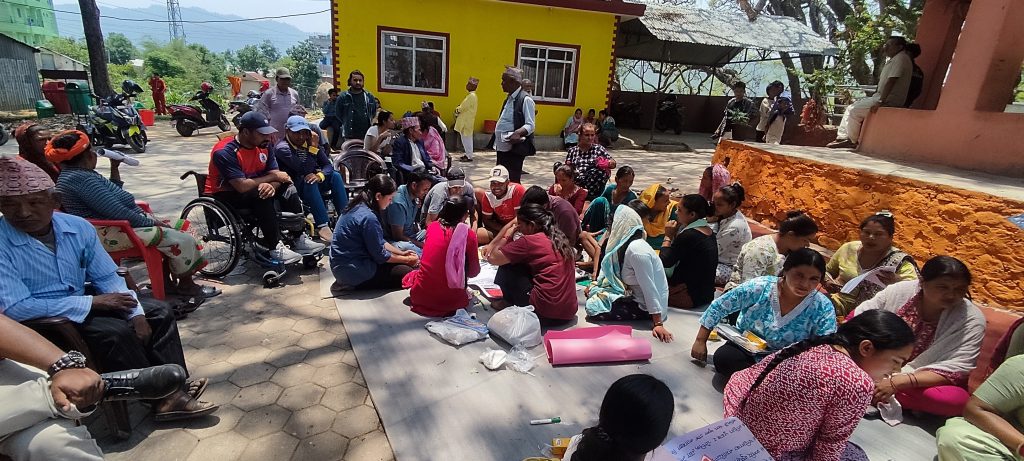
A year later, Birendranagar, one of seven municipalities where the Cities 4 Women Nepal project is currently underway, is seeing this process materialise. Running from 2023 to 2027, the initiative aims to support municipalities facing rapid urbanisation and climate vulnerability through the planning, design, and development of gender-responsive and climate-resilient public spaces.
Co-funded by the European Union and the Government of Finland, the project is jointly implemented by UNOPS, UN-Habitat, and Cities Alliance in partnership with municipalities including Birendranagar, Chandragiri, Dhangadhi, Hetauda, Tilottama, Sunwal, and Tansen.
But beyond project frameworks and urban planning documents lies a more important question: who gets to feel safe, represented, and included in the cities being built?
For queer communities in smaller municipalities, that question is deeply personal.
Mayor Mohan Maya Dhakal says Birendranagar Municipality has been working to ensure that LGBTQIA+ individuals are included in discussions and local programs.
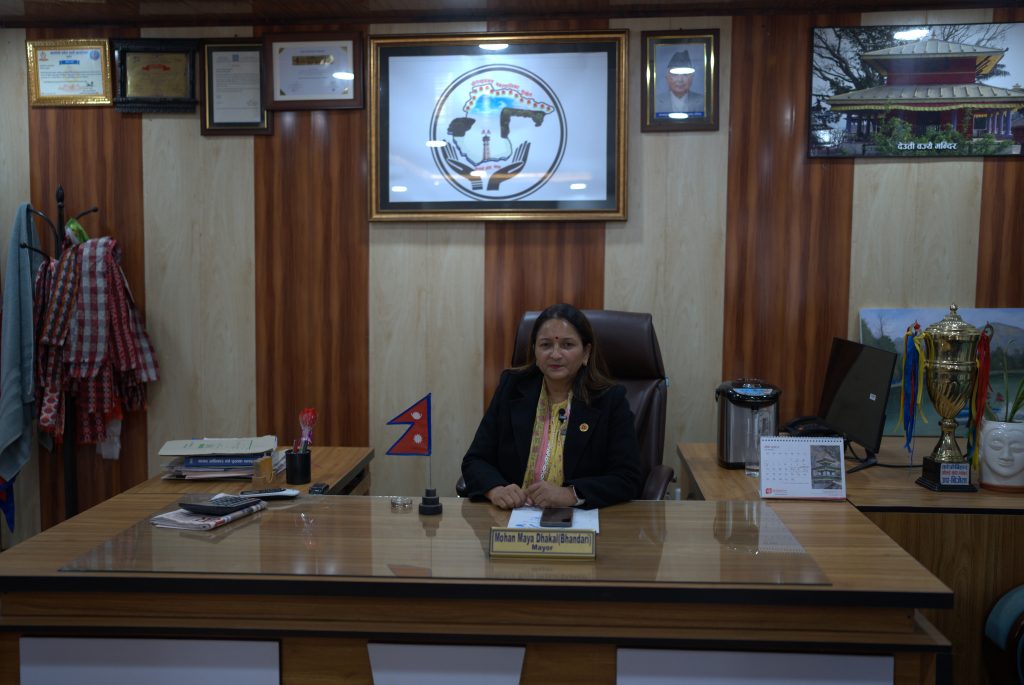
“We make sure that we include them in the discussion and decision-making process at the municipal level whenever we are doing any programmes,” she said.
At the same time, she acknowledged the realities that continue to shape visibility and participation for queer communities.
“Some of them are open and some are closeted. Whoever is open comes to our programmes,” she added.
The mayor also pointed to ongoing discussions between local and federal governments about creating employment opportunities for LGBTQIA+ individuals, saying economic inclusion could encourage confidence and social acceptance.
According to her, the municipality regularly coordinates with community members, takes feedback from them, and collaborates with them while facilitating local programmes.
Her remarks reflect an important shift: the inclusion of LGBTQIA+ communities in formal planning and governance conversations, which also means inclusion in the shaping of the city itself.
Urban planner Sugam Gautam, who is working on the Cities 4 Women initiative in Birendranagar, describes the project as an effort to rethink public open spaces.
“Our focus is on redefining public open spaces, not just as empty plots of land, but as vital, inclusive community hubs,” he said.
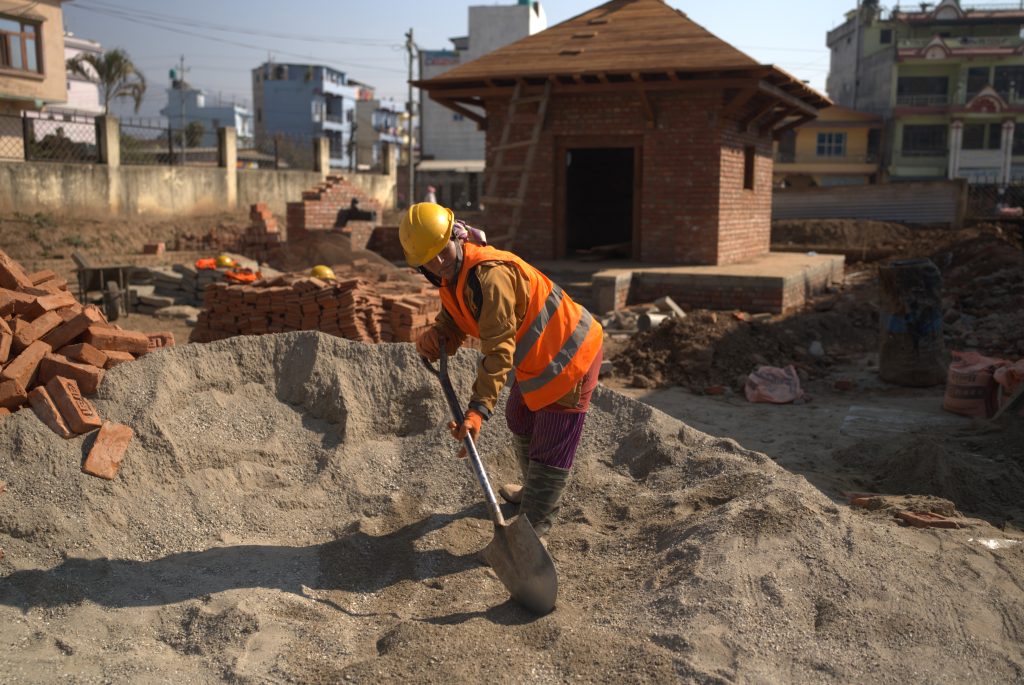
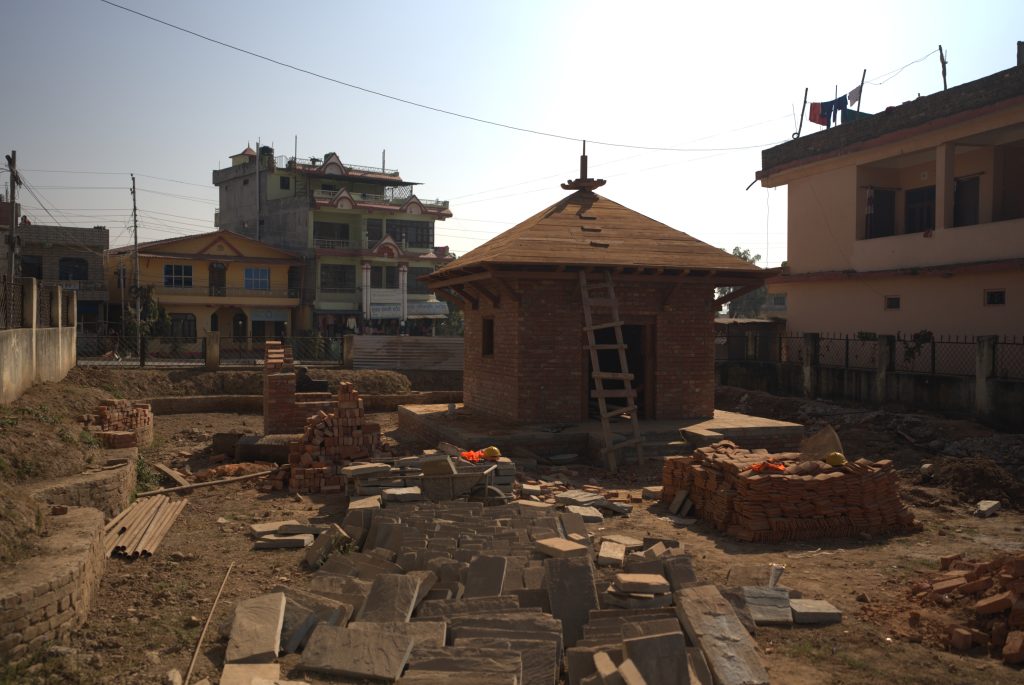
Seven public spaces in Birendranagar were prioritised following assessments of disaster resilience, flood vulnerability, and accessibility. One of the flagship projects is Milan Park, where consultations with LGBTQIA+ individuals, persons with disabilities, senior citizens, and members of different caste and ethnic communities have directly informed the planning process.
“We are bridging the gap between community needs and technical execution,” he added.
Importantly, Sugam recalls that one of the repeated priorities raised by LGBTQIA+ participants during the discussions was the need for gender-neutral public toilets.
Among those who stressed the significance of gender-neutral bathrooms was Anjali BC, a local trans woman and community representative.
That demand may appear simple, but for many queer and trans individuals, access to safe public toilets is directly tied to dignity, safety, and the ability to exist comfortably in public spaces.
“When we talk about Milan Park or other public spaces, we have to ask, ‘What does ‘LGBTQIA+ friendly’ actually look like?'” Anjali asked.
For her, truly inclusive spaces go beyond greenery and beautification. They are spaces where people can simply be themselves without judgment.
She recalls discussing gender-neutral bathrooms, lighting, safer layouts, and spaces where queer individuals can interact with the wider community without fear of harassment.
“Urban planning is not just about roads and buildings; it’s about the people who live there,” she said, adding, “and the Cities 4 Women project has ensured that.”
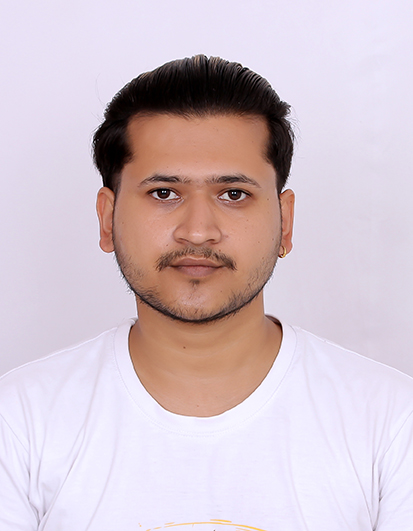
That same desire for meaningful inclusion was echoed by Mohamad Rahish Sheikh, a 20-year-old queer Muslim community member from Birendranagar who also participated in the urban design workshops.
Participants worked on practical exercises focused on making public toilets more gender-neutral and accessible. Through participatory mapping exercises, they redesigned local spaces on paper to reflect the needs of communities often excluded from planning conversations.
What stood out to Rahish was not only the discussion itself, but also who was included in it.
“People from many different backgrounds were there: the Dalit community, religious leaders, and persons with disabilities,” he said. “We were able to question each other, listen to different perspectives, and discuss our specific needs.”
For him, the workshop reflected the possibility of intersectional inclusion, where conversations about urban planning are not limited to one identity or community.
At the same time, he remained cautious about performative inclusion.
“Real change requires more than just talk; it requires action,” he said.
According to Rahish, that action is becoming visible through the Cities 4 Women project in Birendranagar.
“Having spaces where we are listened to and our voices actually become part of the decision-making process, has made it easier to open up,” he shared.
His words capture the broader significance of what is unfolding in Birendranagar.
The Cities 4 Women Nepal project reflects a broader global conversation, one that is especially relevant on IDAHOBIT, whose 2026 slogan, “At the Heart of Democracy”, highlights the importance of designing cities in ways that allow everyone, regardless of gender identity or sexual orientation, to participate safely and equally in public life.
That conversation is increasingly central to international development priorities, including those supported by European partners, where inclusive urbanisation is closely tied to human rights, democratic participation, and social dignity. In Birendranagar, those principles are beginning to move from policy language into practice.
And, while there are still limitations, there are also signs of progress: a mayor openly discussing dignity, representation, and economic opportunities for LGBTQIA+ citizens; urban planners incorporating accessibility, safety, and gender-neutral infrastructure into public design; and queer community members advocating not only for visibility but also for direct influence over how public spaces are imagined and built.
These shifts show that inclusion is not only about representation in principle but also about participation in the decisions that shape everyday life. Because a city is only truly successful if people of every identity feel a genuine sense of belonging, safety, and respect within its public spaces.