Kathmandu, April 3
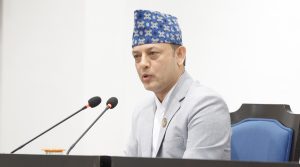
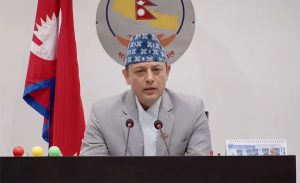
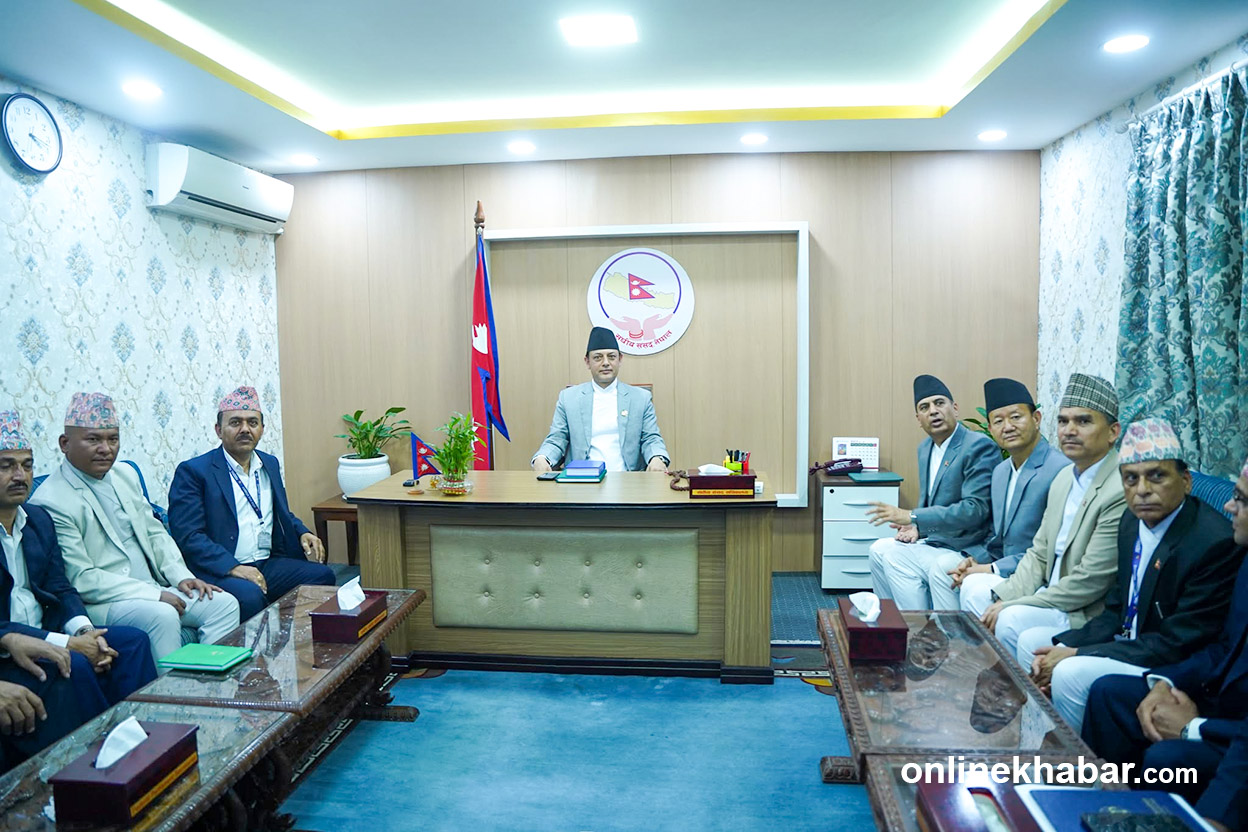
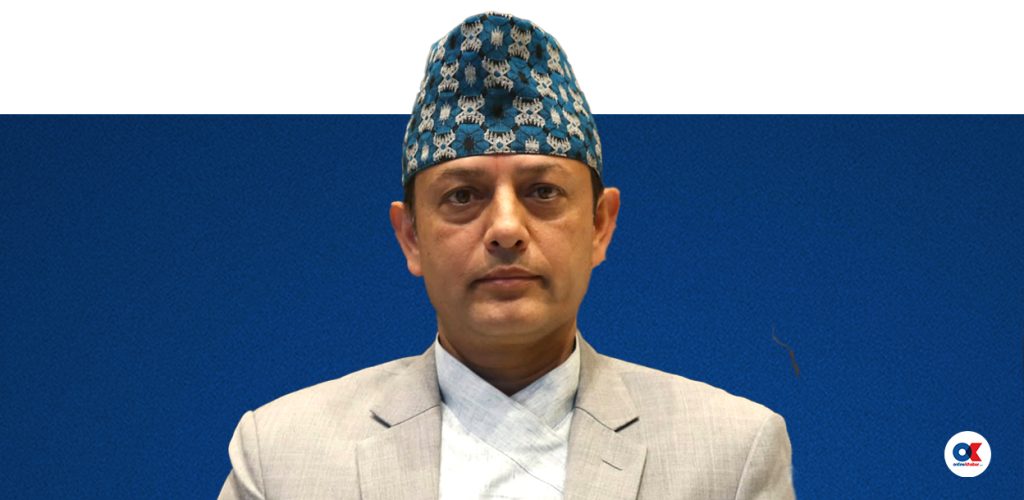
Member of the Parliament, DP Aryal, has been elected unopposed as the Speaker of the House. However, the official announcement of his election is yet to be made.
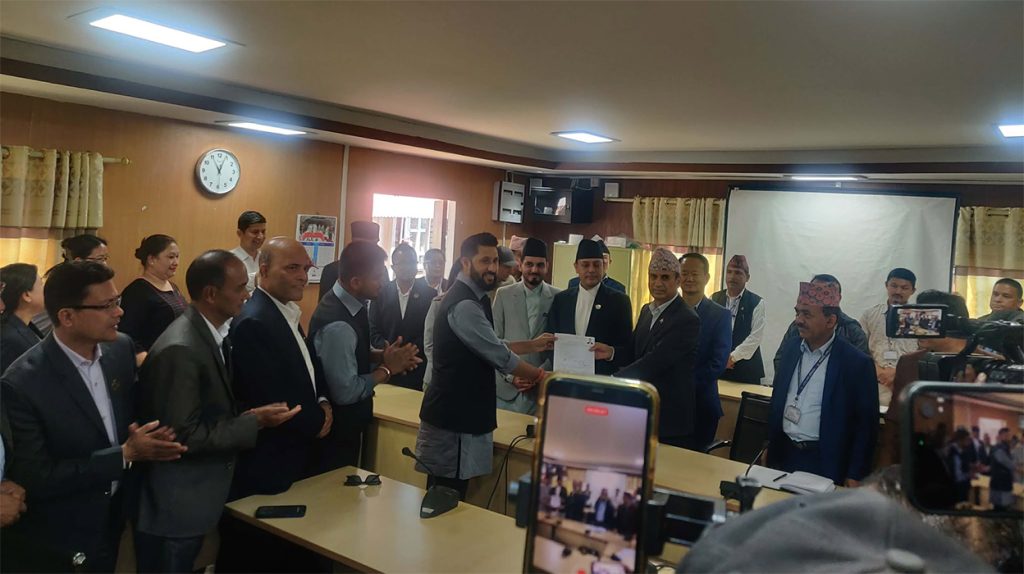
The nomination period for the Speaker’s position was scheduled today from 11 am to 2 pm. During this time, Aryal submitted his sole candidacy.
Rule 7 of the House of Representatives’ regulations contains provisions regarding the election of the Speaker. According to this rule, if only one candidate is nominated for the Speaker, the person presiding over the House will declare the proposed member elected unopposed after the supporting members have spoken.
Such a declaration will take place in the upcoming House of Representatives session, which is scheduled for next Sunday.
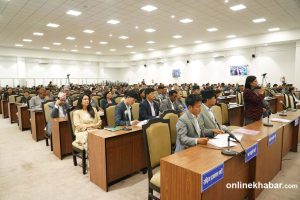
In the House, the Rastriya Swatantra Party (RSP) holds a two-thirds majority. Since the ruling party has a clear majority, opposition parties did not field any candidates for the Speaker’s position. Out of the 275-member House, RSP alone has 182 MPs. The Nepali Congress has 38, CPN-UML 25, Nepal Communist Party 17, Shram Sanskriti Party 7, and Rastriya Prajatantra Party (RPP) 5 MPs.
Following the selection of the Speaker, the election process for the Deputy Speaker will proceed.
The election of the Deputy Speaker is held on the date and time set by the Speaker.
According to Ekram Giri, spokesperson of the Parliament Secretariat, the Speaker and Deputy Speaker must belong to different parties and be of different genders.
“There is a provision that the Speaker and Deputy Speaker should be from different parties and of different genders,” says Giri. “However, in the case of a sole candidacy, both can belong to the same party.”
According to leaders, there has been no discussion yet regarding the Deputy Speaker. There are six parties in the House, including the RSP.
After being elected, before assuming office, the Speaker must take the oath of office and secrecy before the President. Once elected, the Deputy Speaker will take the oath of office and secrecy in the presence of the Speaker and the President.
Both the Speaker and Deputy Speaker are members of the Constitutional Council. This makes it a matter of interest which party will be represented in the Deputy Speaker’s position.
The Constitutional Council, chaired by the Prime Minister, is responsible for recommending appointments for heads and officials of constitutional bodies, as per Article 284 of the Constitution of Nepal. It recommends qualified individuals for bodies such as the Chief Justice, the Commission for the Investigation of Abuse of Authority, and the Election Commission.
After the Constitutional Council’s recommendation is approved by the Parliamentary Hearing Committee, the person is appointed to the respective position. This is why there is significant public interest in who will assume the Deputy Speaker position.