
In the wake of Nepal’s recent election, a familiar phrase has begun circulating in political discussions and media commentary: the “algorithm election.” The term reflects growing unease about the role of digital platforms in shaping democratic outcomes. Yet before attributing electoral results to invisible algorithms, a more fundamental question deserves attention: are we witnessing algorithmic manipulation, or simply the continuous evolution of how political communication adapts to how people receive information?
Political campaigning has always followed the dominant communication technologies of its time. Radio transformed mass political outreach in the early twentieth century. Television later reshaped campaigning through televised debates, live rallies, and broadcast messaging. Today, social media and digital platforms represent the newest stage in that long trajectory.
Communication scholars often describe this dynamic as media logic, the idea that political communication gradually adapts to the dominant formats, speed, and audience behaviours of prevailing media platforms. As communication channels evolve, political actors adjust how they frame messages, engage voters, and distribute information.
Seen through this historical lens, digital campaigning is less a disruption than an extension of an established pattern.
The media ecosystem itself has undergone a similar transformation. News organisations that once relied primarily on print or broadcast now operate across multiple platforms simultaneously. Long-form interviews appear on YouTube; short video excerpts circulate on Facebook Reels, TikTok, and Instagram; podcasts accompany traditional reporting; and social media has become a parallel distribution channel for news. In many cases, journalists themselves now function as independent broadcasters through their own digital platforms.
In this environment, political campaigns adopting the same communication tools should hardly come as a surprise.
Digital campaigning in a changing media environment
Across the world, political leaders have demonstrated how digital platforms can reshape political outreach. India’s Prime Minister Narendra Modi, for instance, has used social media extensively to communicate directly with voters, often bypassing traditional media gatekeepers. His approach illustrates how political actors adapt messaging to the platforms where people already spend their time.
Viewed in this broader context, Nepal’s recent election reflects a similar shift.
Digital platforms allowed candidates and political movements to reach voters directly, often without relying entirely on traditional intermediaries such as party structures or legacy media institutions. For many candidates, social media became not only a broadcasting tool but also a space for continuous engagement with voters.
From centralised party messaging to candidate-driven campaigns
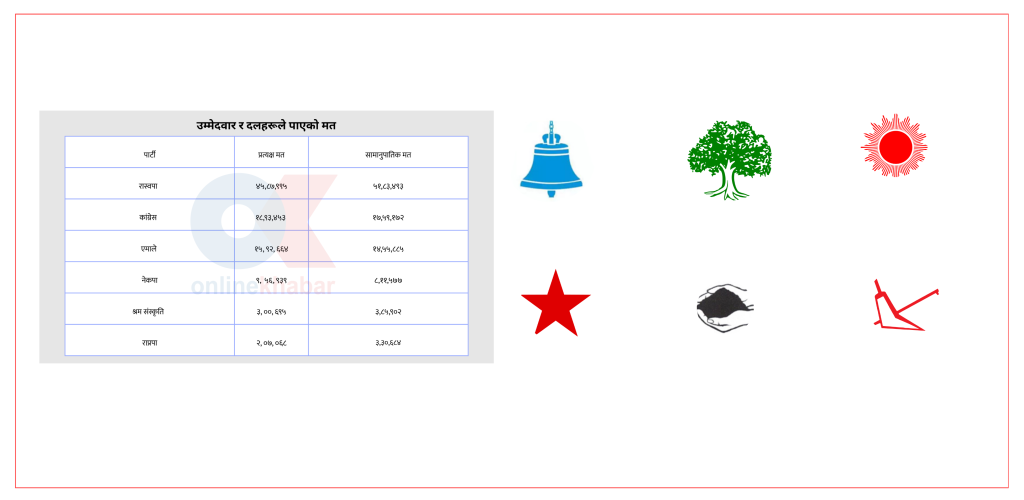
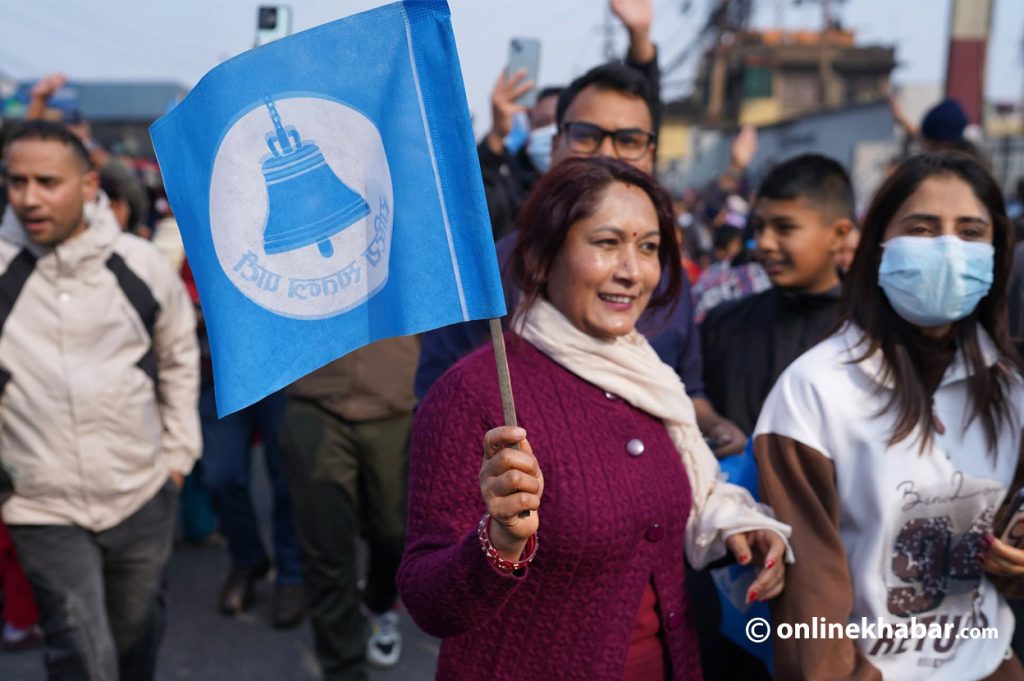
Another notable feature of this election was the decentralised nature of political messaging and the use of communication tools. Few parties ran a strongly coordinated national communication campaign beyond the continued use of recognisable party symbols. Among major parties, campaign visibility often depended on individual candidates rather than centrally directed messaging. In practice, this meant that candidates themselves played a larger role in shaping how political messages were communicated within their constituencies, adapting their outreach to local contexts, voter expectations, and the media environments available in different regions.
Some candidates also demonstrated creativity in how they approached digital communication, using interactive short videos, visual storytelling and informal messaging styles that resonated with online audiences.
Importantly, much of the online political content circulating during the election did not originate solely from official campaign teams. A sizable portion was user-generated, shared, and amplified by supporters, volunteers, and ordinary citizens through their own digital networks. In communication research, this phenomenon is often described as networked amplification, where audiences themselves become part of the message distribution process.
From this perspective, the idea of an “algorithm election” may partly reflect a broader adjustment to a changing communication landscape. Just as television once reshaped political campaigning, digital platforms are redefining how campaigns reach and engage voters.
Nepal is also a young country, with a median age of around twenty-six. Millennials and Generation Z form a significant share of the voting population, and many of them consume political information primarily through smartphones and social media. Political actors who recognised this demographic reality and adapted their communication strategies accordingly may therefore have been more effective in reaching voters during the campaign.
The more relevant question, then, may not be whether algorithms influence election campaigns, but whether political actors understand their voters well enough to communicate in the spaces where those voters already are.
Geography, connectivity and the reach of political messages
This pattern is also reflected in the recent election map. Media and political commentators have noted that the newer political force appears to have had fewer electoral wins in Nepal’s far-western regions.
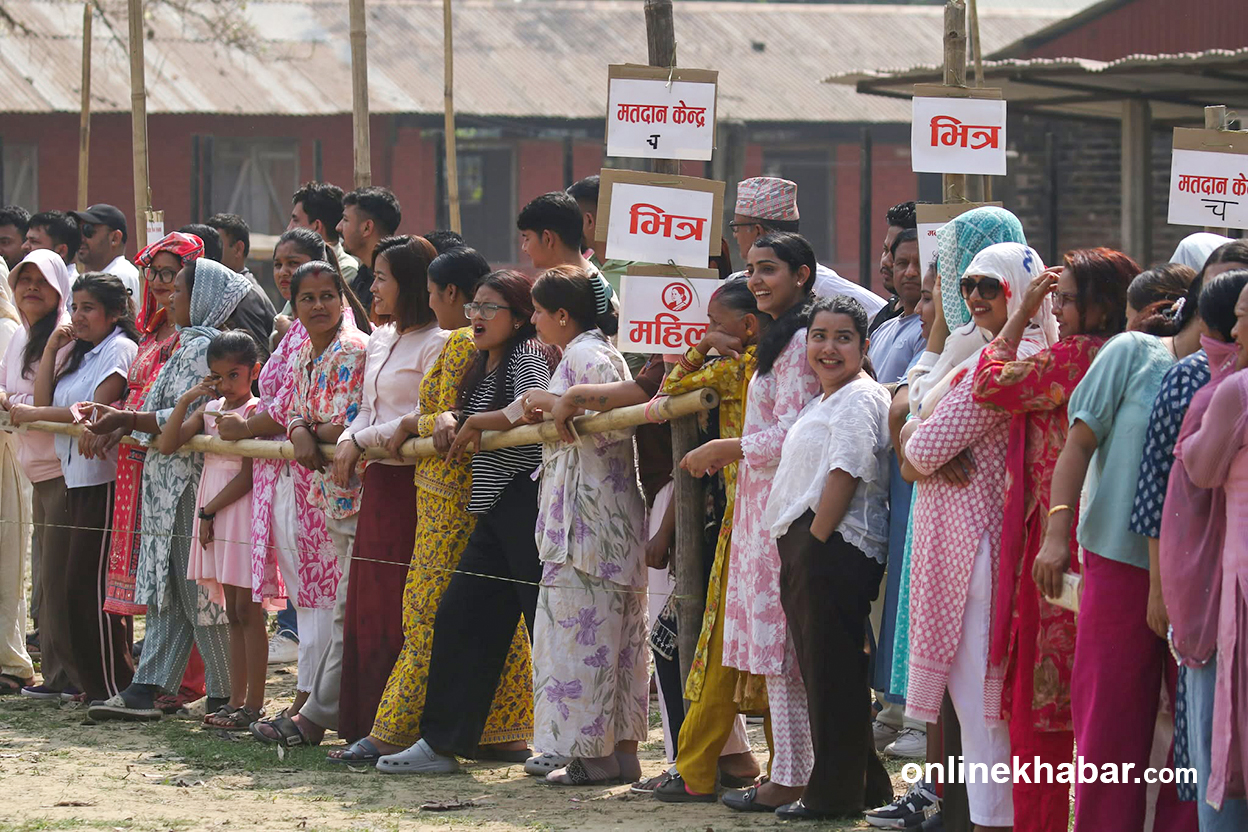
The reasons behind such patterns are undoubtedly complex. However, differences in digital connectivity, media access and internet penetration may influence how political messages travel across regions. Campaign strategies that rely heavily on digital engagement are naturally more effective where smartphone use and social media participation are widespread.
In regions where connectivity remains limited, traditional forms of political outreach—community networks, local mobilisation, and face-to-face campaigning—may continue to play a larger role.
Voters, media ecosystems and democratic participation
Nepal’s communication environment has long been shaped by a mix of media forms operating simultaneously. Community FM radio remains a valuable information source in many regions, while urban and younger audiences increasingly consume news and political content through smartphones and social platforms. At the same time, Nepal’s large diaspora communities participate in political conversations through digital networks that extend far beyond national borders. Together, these overlapping media spaces illustrate how modern campaigns operate within a hybrid communication ecosystem rather than a purely digital one.
This variation underscores a crucial point: digital political communication does not operate uniformly across all societies or geographies.
Global debates about digital campaigning have also raised legitimate concerns. Controversies such as the Cambridge Analytica scandal exposed how targeted political advertising and data analytics could influence specific voter groups. These cases have prompted governments, researchers, and technology companies to reconsider how democratic processes should adapt to data-driven communication environments.
Such caution is both necessary and healthy for democratic systems.
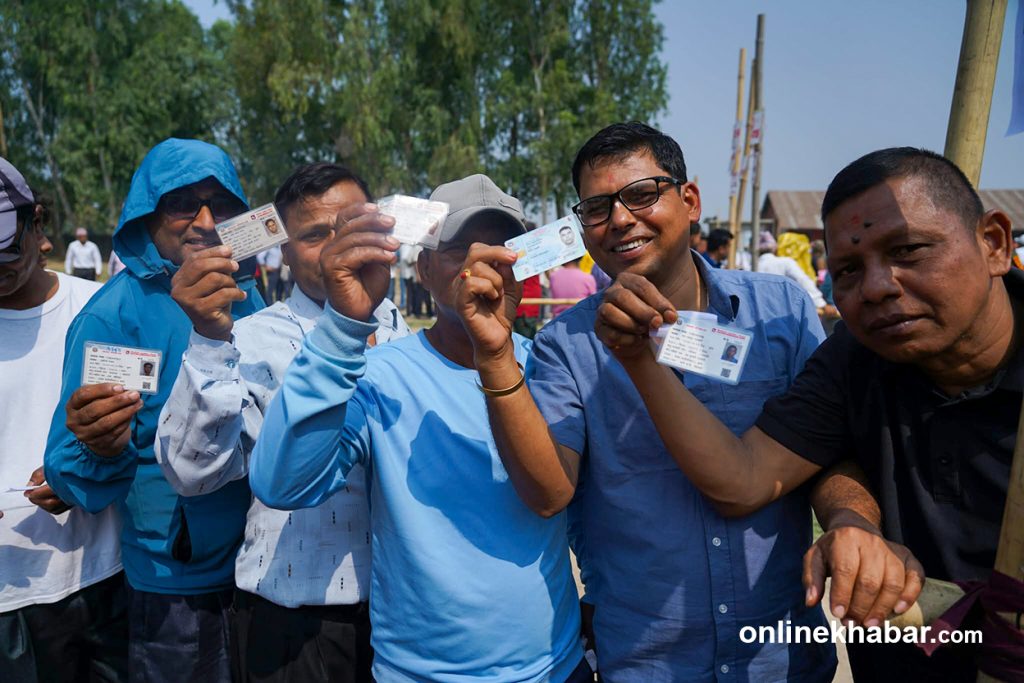
But acknowledging these risks should not lead us to dismiss voters themselves. Suggesting that election outcomes are merely the by-product of algorithms risks underestimating the political awareness and agency of citizens.
Voters are not passive recipients of information. They interpret political messages through their own experiences, values, and social contexts.
In Nepal, as in many democracies, digital platforms have simply become another arena in which democratic participation unfolds.
Campaigns that creatively use emerging communication tools may find new ways to reach voters. Those that fail to adapt may struggle to remain visible in an increasingly fragmented media environment.
Ultimately, the effectiveness of political communication depends less on whether campaigns rely on traditional or digital platforms and more on whether they understand the audiences they seek to reach.
Digital platforms may amplify messages, but elections in the end are decided not by algorithms, but by voters, and by how effectively political actors understand and communicate with them.