

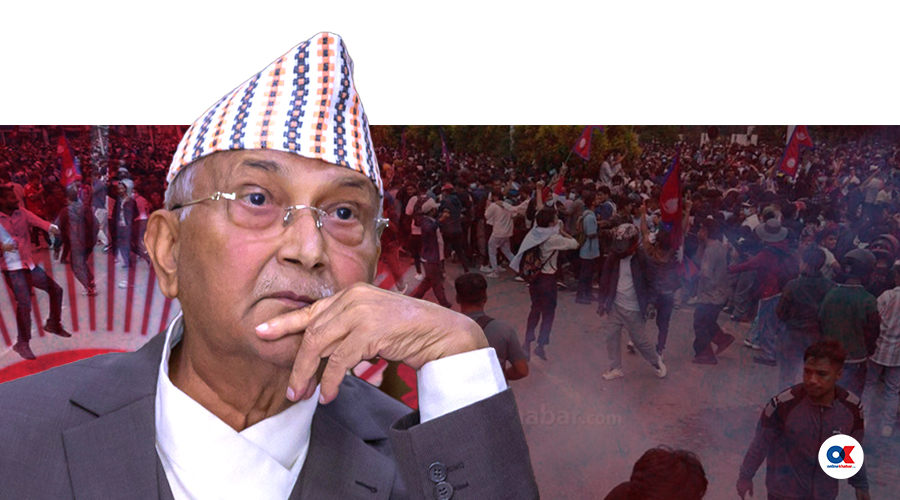
Jhapa (Damak): Gone were the days when Jhapa-5 merely evoked the image of an impregnable fortress in Nepali politics, one whose gates opposition parties would not even dream of breaking.
Since 1991, KP Sharma Oli had continuously sought public endorsement from this constituency. After winning the 2017 and 2022 elections by an overwhelming margin of nearly 29,000 votes, the area had become his political comfort zone. Among local voters, the narrative that “development in Jhapa means KP Oli” was so deeply established that opposition candidates often entered the race merely to fulfil electoral formalities.
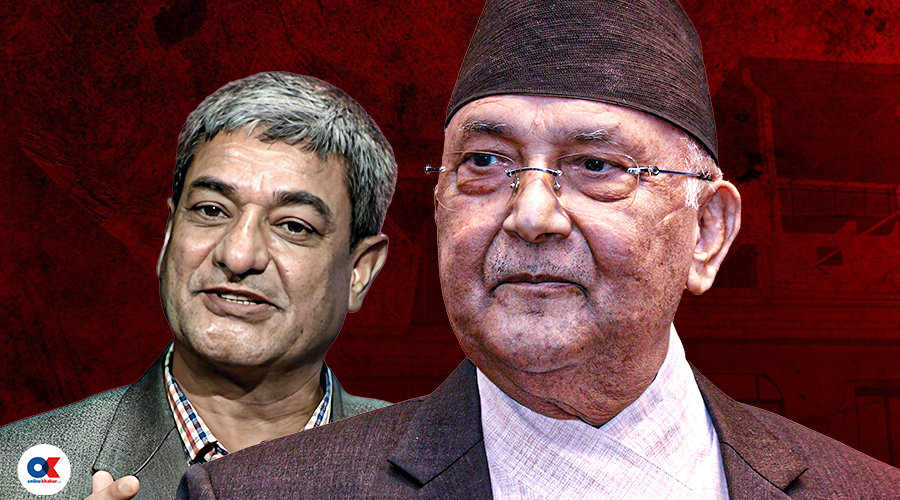
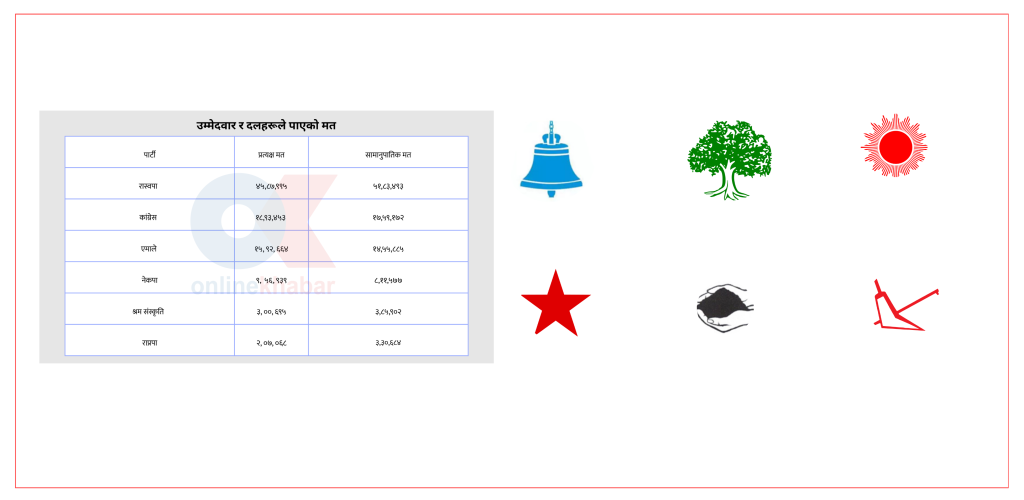
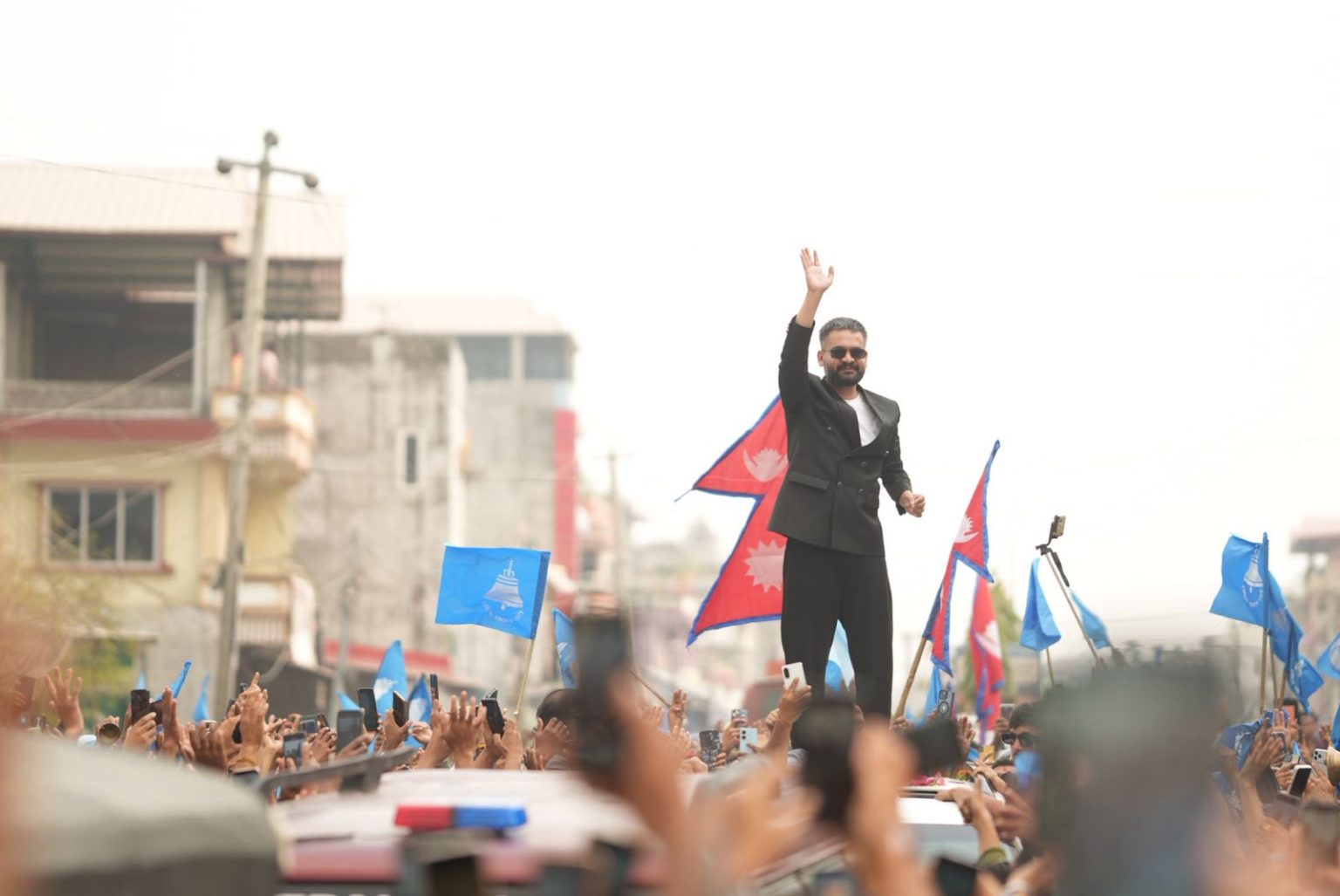
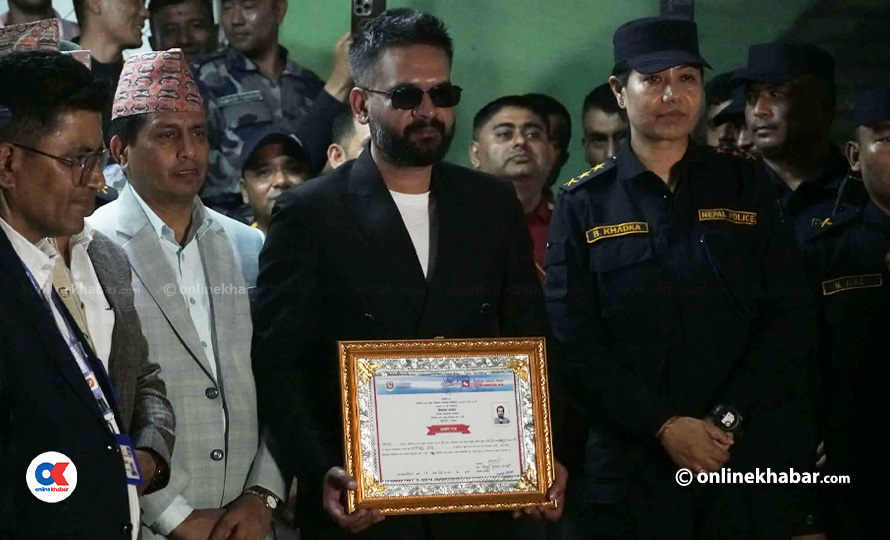
However, following the Gen Z uprising, the results of the general election have triggered a seismic political shift among traditional parties, and Jhapa-5 became its epicentre. Representing the Rastriya Swatantra Party (RSP) and projected as a potential future prime minister, Balendra Shah alias Balen, 36, secured 68,348 votes in a historic leap. Meanwhile, 74-year-old Oli, who has already served four terms as the country’s prime minister, received only 18,734 votes.
The initial election results from Jhapa-5 not only unseated Oli but also marginalised established parties across the country, including the CPN-UML.
Alongside him, all UML office-bearers elected at the party’s general convention were defeated, and the party’s vote share has shrunk to levels close to what it received in the 1959 election. In Kathmandu, only two UML candidates retained their deposits, while in most constituencies the party finished third or fourth.
The upside-down electoral math
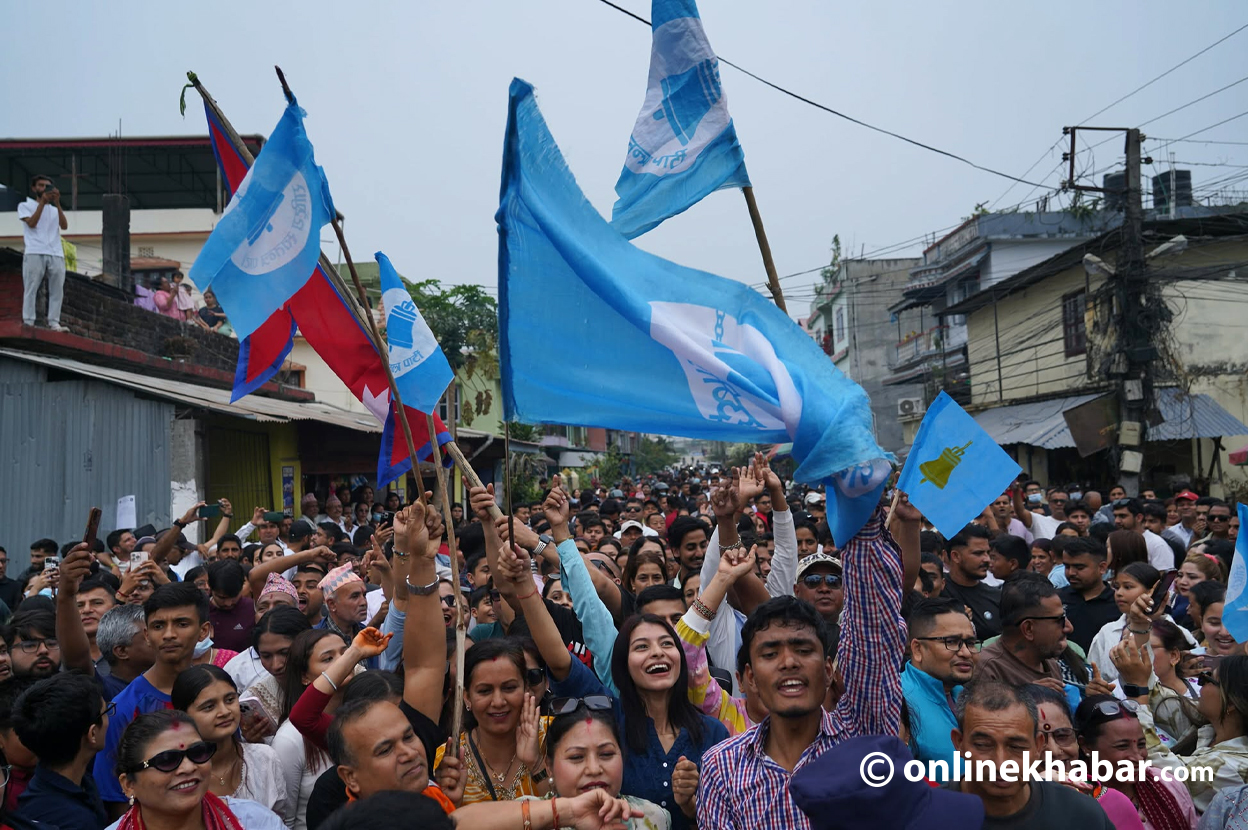
Before the election, the electoral arithmetic appeared largely favourable to Oli. On one hand, he had the strong card of billions of rupees in development budgets, road networks, and infrastructure projects. UML’s grassroots organisation in Jhapa was also stronger than that of other parties.
Moreover, with opposition votes expected to split among Balen, Mandhara Chimariya (Nepali Congress), Laxmi Prasad Sangroula (Rastriya Prajatantra Party), and Samir Tamang (Shram Sanskriti Party), UML analysts believed the multi-cornered competition would benefit Oli, allowing him to win comfortably with his party’s “block vote.”
But the results proved that elections are not merely technical games won by organisational skeletons and development budgets. Oli’s earlier wide victories, boosted by Maoist “bonus votes” in 2017 and RPP votes in 2022, had already begun to weaken from the start this time.
Amid the absence of alliances and the erosion of votes, analysts had already predicted that the “Balen factor” could become a decisive force, and that is exactly what happened.
The old narrative of “development politics” was swept away by a tsunami of pro-change and anti-establishment votes. Voters abandoned the traditional party instructions (the habit of voting for symbols like the sun, tree, or plough) and instead rang the bell of their own conscience.
The Gen Z uprising as trigger point

The foundation of Oli’s humiliating defeat was not built overnight. The biggest trigger point was the Gen Z uprising on September 8 and 9.
When schoolchildren in uniform were killed by extrajudicial state gunfire, and images of their bloodied bodies spread globally, the brutality of the state was exposed not only physically but also psychologically and morally.
In such a sensitive and volatile moment, a mature statesman was expected to play a guardian-like role. Instead, intoxicated by power, Oli outright rejected the Gen Z movement.
He dismissed the bloodshed of young students as a “foreign conspiracy” and an attempt to “burn the country.” Rather than expressing even basic sympathy for the families of the martyrs and the injured, he made his entire party stand against the movement.
The voters of Jhapa 5 retaliated against that fatal, non-political move. During the campaign, Balen focused on these issues and went door to door telling voters about the repression and Oli’s authoritarian tendencies.
Even young leaders of the Nepali Congress, who had endorsed the alliance between the first and second largest parliamentary parties, have tasted the repercussions. After the party’s special convention, all office bearers elected under the leadership of Gagan Thapa also lost their elections.
From liberation politics to power hunger
The UML, which once rose with slogans of liberating landless people, workers, and farmers, has now been perceived by those same grassroots citizens as power-hungry rulers. Consequently, many of them cast their votes for Balen.
Once, KP Sharma Oli had reached the leadership of UML with appealing slogans such as generational transfer, internal democracy, and non-repetition in the same post. Over time, however, he himself became a major obstacle to democratic practices.
He amended the party statute to open the door for a third term as chairman, sidelining ideological dissenters, from Jhalanath Khanal and Madhav Kumar Nepal to Bhim Rawal and Ghanshyam Bhusal.
Those with critical consciousness were punished, turning the party into a circle of loyalists and sycophants. A powerful narrative was constructed by interest groups around him that “UML cannot exist without Oli.” As a result, leadership began to treat even its serious mistakes as unquestionable party policy.
Controversial decisions, from the unconstitutional dissolution of parliament to protecting those implicated in major corruption scandals, were wrapped in the rhetoric of nationalism to claim legitimacy.
When a dynamic political institution turns into a leader’s personal company, and blind devotion replaces internal democracy, the party’s connection with ordinary citizens completely breaks down. The decline of Oli’s popularity in Jhapa-5 and the growing closeness between voters and Balen stem largely from this psychological and philosophical shift.
Even though party workers send leaders to power with time-bound mandates, the new generation has delivered a harsh response through the ballot box against the undemocratic desire to cling to power forever.
A grand alliance public against party syndicates
This election has also established another serious truth: the era when political parties could collude and fool the people is over.
Parties suffering from “electoral fetishism,” believing that winning elections is the ultimate truth of politics, had treated citizens merely as vote banks.
Oli, who was the prime minister during the crackdown on the Gen Z movement, had attempted to preserve his power through political manoeuvres with the Congress and other parties. But the public had read that strategy clearly.
While parties were forming unholy alliances for their vested interests, the people themselves had already formed a “grand alliance against the parties.”
Balen’s 49,000-plus vote lead is not simply support for one ideology or principle; it is a surge of anger against the syndicate of old political parties.
By defeating Oli, voters in Jhapa-5 have sent a clear message: in politics, no one is unbeatable. No matter how strong a leader or party seems, if they ignore public sentiment, a credible alternative can bring them down.