Kathmandu, March 20
As all directly elected office bearers of K P Sharma Oli-led Communist Party of Nepal (Unified Marxist–Leninist) suffered defeat, a few young leaders from the party managed to secure victories in the recent elections.
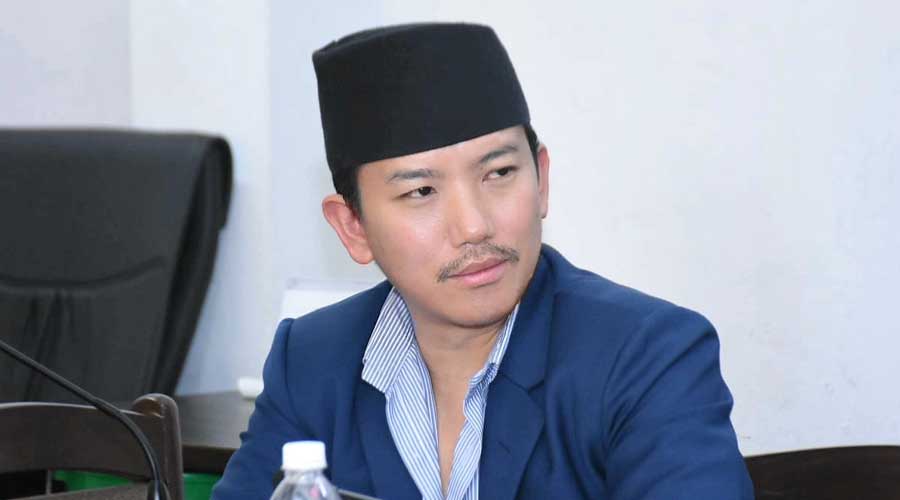
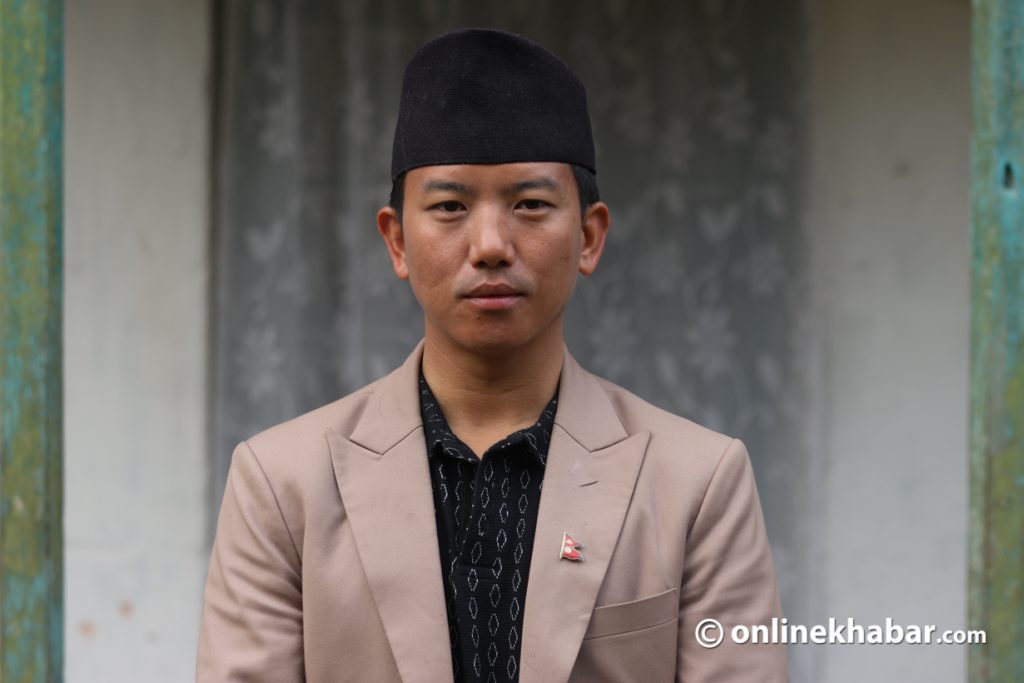
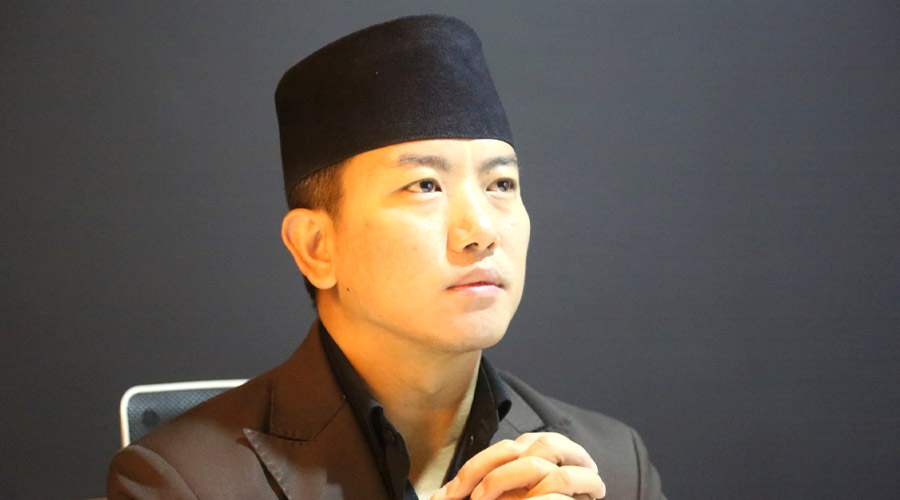
Among them, the youngest is Suhang Nembang.
Nembang, 36, was re-elected from Ilam-2. He was first elected to the House of Representatives in the by-election held in April 2024 following the death of his father, former Constituent Assembly Chair and UML Vice Chair Subas Nembang.
However, due to political developments following the Gen Z movement, he could not complete his full term after the by-election. Within 16 months of becoming an MP, the Gen Z movement on Bhadra 23 led to the dissolution of the House of Representatives.
The February 21 parliamentary elections proved to be one of the most unfavourable in UML’s history. While Rastriya Swatantra Party secured a near two-thirds majority, UML was reduced to just 25 seats—9 under the first-past-the-post system and 16 under proportional representation.
With 49 candidates failing to even secure their deposits, UML has begun analysing candidates and constituencies that performed relatively better. “We lost, but we are now working on a consolidated analysis of the results to plan,” a party leader said.
According to leaders, most constituencies delivered unsatisfactory results. However, among the winners, Suhang Nembang’s victory is considered relatively comfortable. That said, the highest vote-getter from UML is Mohammad Istiak Rai, who was elected from Banke-2.
Rai secured 24,628 votes, defeating his closest rival Bibek Kumar Shrestha of the Rastriya Swatantra Party, who received 18,682 votes, a margin of 5,946.
Nembang recorded the second-highest vote count, winning with 22,426 votes. His nearest rival, Bhesh Raj Acharya of the Nepali Congress, received 14,650 votes, resulting in a margin of 7,776.
Among the nine UML leaders elected, Nembang stands out for his relatively comfortable victory. At a time when even top leaders faced heavy defeats, his performance has increased his appeal both within and outside the party.
“Given the current political wave and his convincing win, his appeal has naturally grown,” a UML office bearer said. “His victory has sent a message of hope among young members within the party.”
According to party insiders, Nembang is also preparing to use this opportunity to push for generational transition and transformation within UML. “Young voters are drawn to him, especially since he secured an easy win even during a party crisis,” a leader said. “There is growing pressure for him to become the parliamentary party leader to connect UML with the younger generation while preserving the contributions of the older leadership.”
Sources say Nembang has already begun discussions with close allies about leading the parliamentary party. “Given the current UML equation, it won’t be easy for him, but he has started taking initiative,” a leader added.
UML Secretary Padma Aryal said discussions on the parliamentary party leader have not yet begun. “Proportional representation MPs have just received their certificates, and there is talk of an oath-taking ceremony on the 16th. Only after that will discussions on leadership begin,” she said.
According to party norms, the leader is expected to be selected through established procedures. Based on this, UML Vice Chair Ram Bahadur Thapa, who became an MP through proportional representation, is seen as a likely contender. Other senior leaders, such as Aryal, former Vice Chair Guru Baral, or Audit Commission Chair Pushpa Kandel, could also be considered.
However, a significant section within UML believes that selecting leaders who secured seats through proportional quotas may not enhance the party’s appeal. Backed by this sentiment, Nembang is reportedly seeking to position himself as a candidate for parliamentary party leader.
“The situation has placed me as someone who understands the contributions of the older generation while also appealing to the youth,” Nembang has reportedly told close associates. “To respect the message of this election, I should be supported in becoming the parliamentary party leader.”