A year-long exhibition dedicated to victims of enforced disappearances during Nepal’s armed conflict is underway in Bardiya, marking what organisers describe as the country’s longest-running conflict-related memory installation.
Titled “Memories Will Haunt,” the exhibition opened on the International Day of the Disappeared and will continue until August 30. It is being held at a memorial park in Barbardiya Municipality, established by families of the disappeared and dedicated entirely to victims of enforced disappearance.
Bardiya recorded the highest number of enforced disappearances during Nepal’s decade-long conflict between state forces and Maoist insurgents from 1996 to 2006. More than 1,350 people remain missing nationwide.
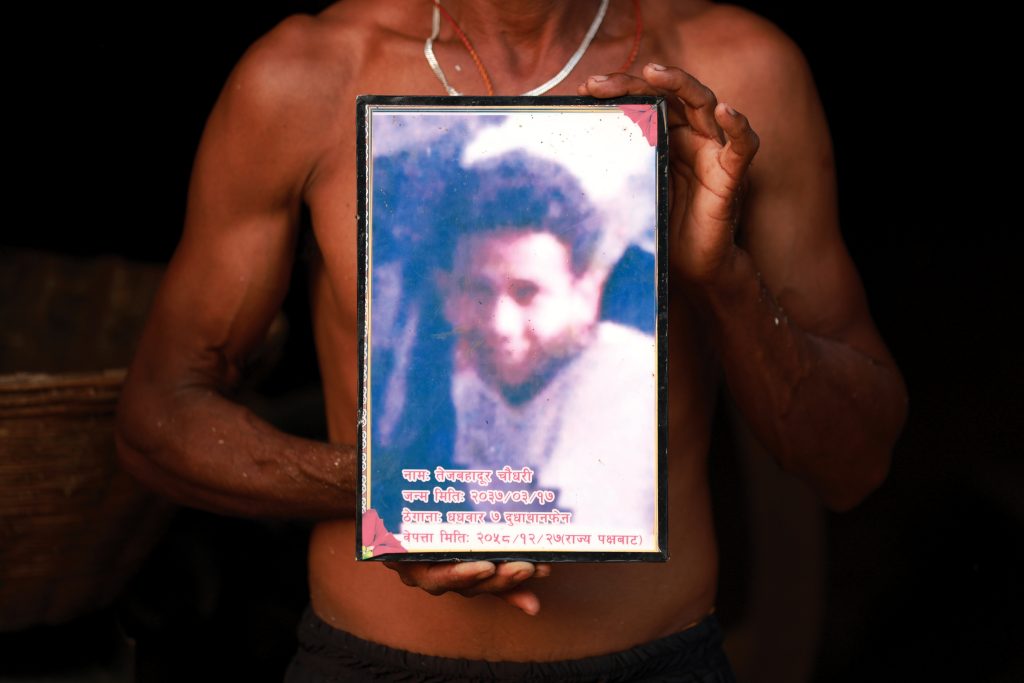
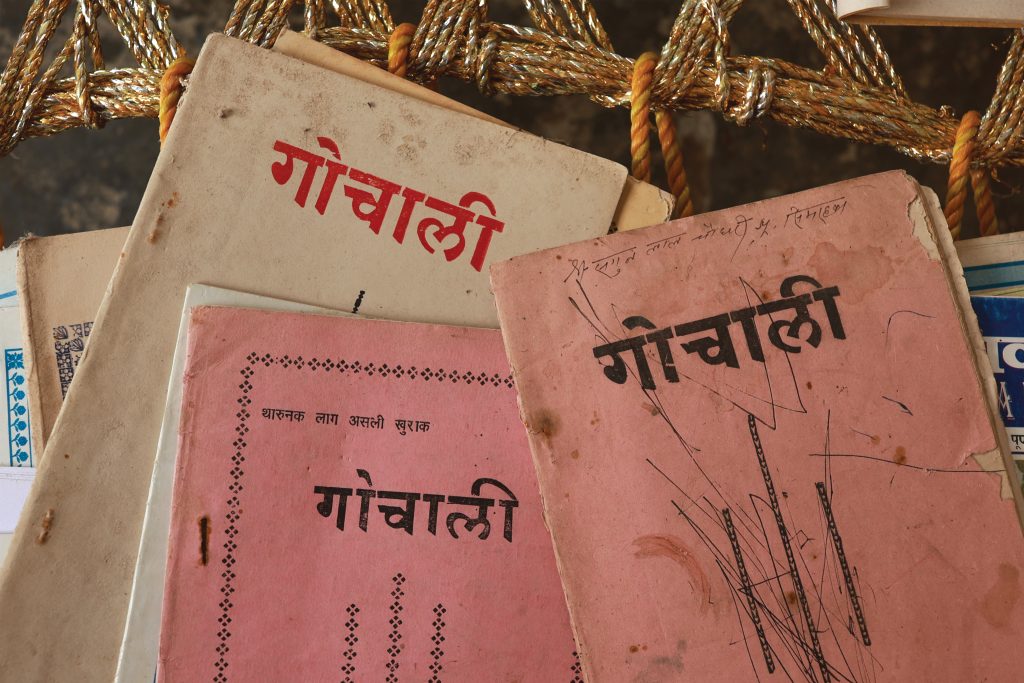
The exhibition showcases personal belongings, photographs and testimonies of families who have spent years seeking truth and justice.
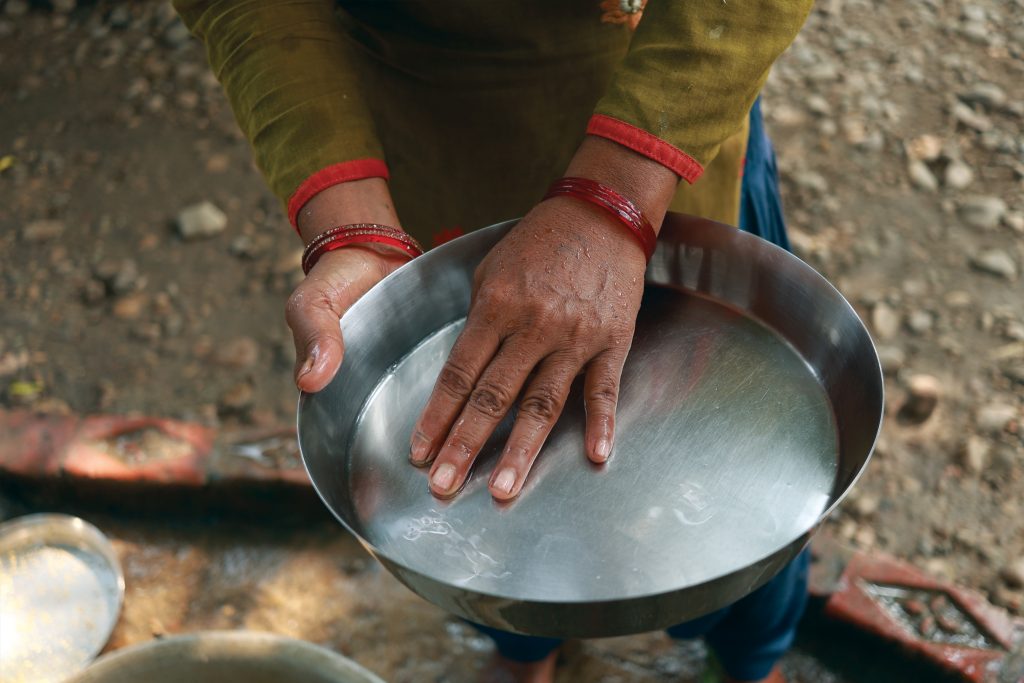
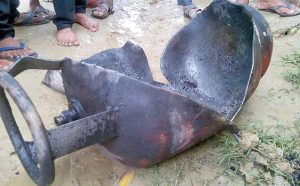
Among the exhibits is an iron plate belonging to Rajan Chaudhary, who disappeared after being taken by the Royal Nepali Army.
“The only thing I have remaining from my brother-in-law is the plate he would carry to my kitchen, smiling and asking me for food,” said Somali Tharu, whose family suffered multiple losses following his disappearance.
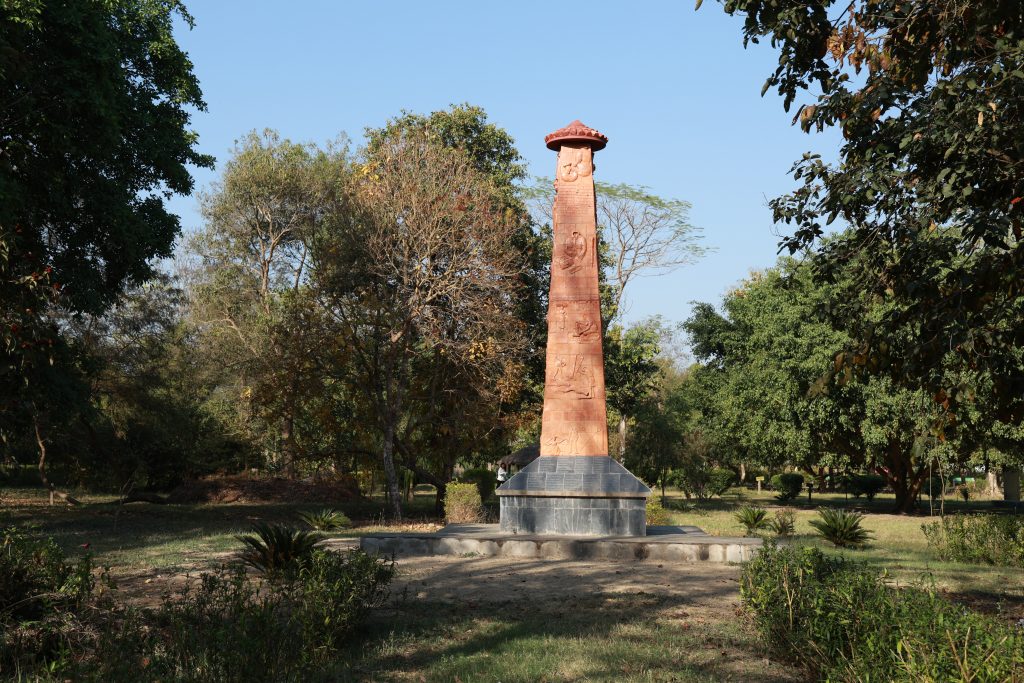
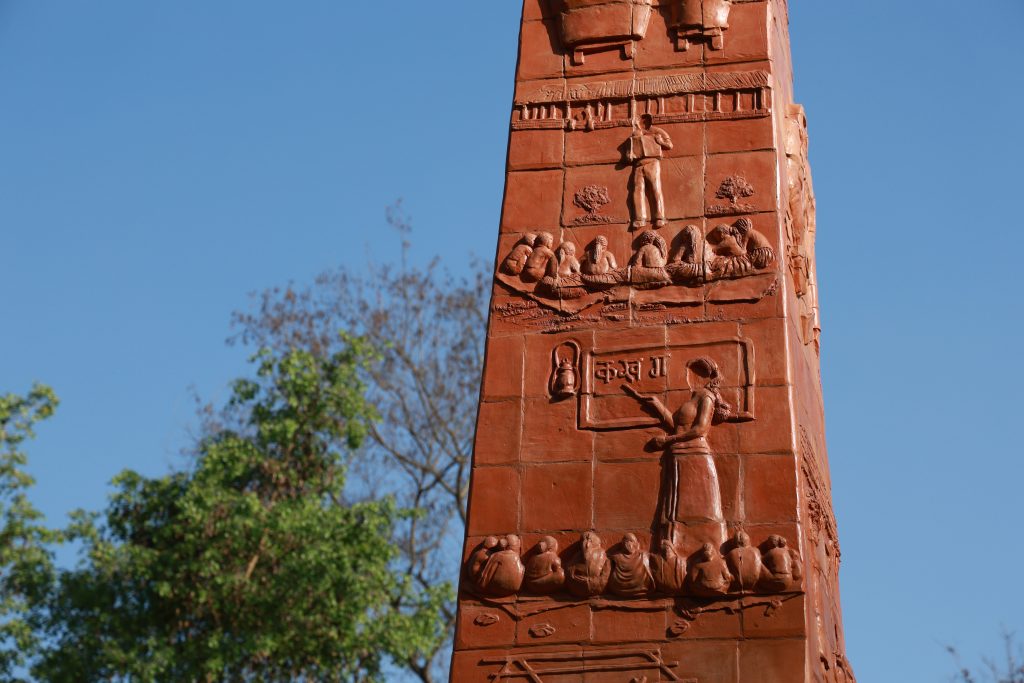
The memorial park features a Memory Wall inscribed with the names of all conflict-era missing persons across Nepal and a Memorial Pillar decorated with terracotta artwork depicting stories from Bardiya.
Niranjan Kumar Chaudhary, president of the memorial park, said the site seeks to preserve the memories of those still unaccounted for.
“I feel responsible for looking for and advocating not only for my lost father but also for the 1,350 people who are still missing across Nepal,” he said. “I will make sure that the world remembers the contribution of these missing ones to the making of the new Nepal and its history.”
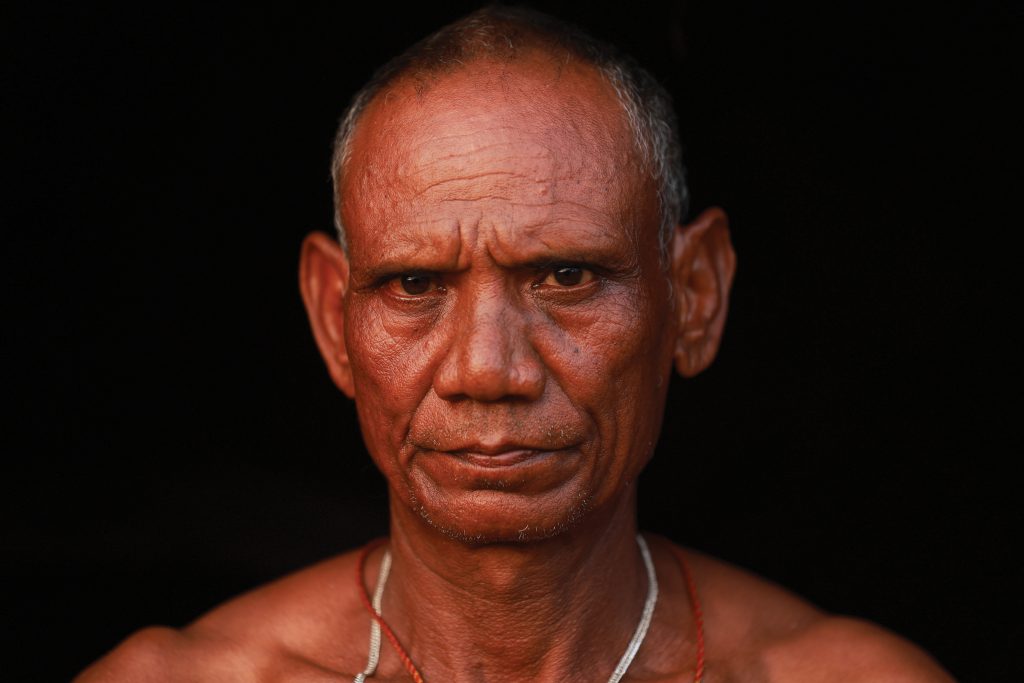
Families of victims said the memorial serves as a response to years of stalled transitional justice efforts and the lack of answers regarding the fate of their relatives.”They want us to suffer alone and in isolation,” said Moti Kumar Chaudhary, whose father disappeared during the conflict. “But we will make sure our family members’ names are never forgotten.”
Memory expert and park advisor Bikkil Sthapit said the initiative represents an important grassroots effort to preserve the history of conflict victims. “This one-of-its-kind park will not only save the history of the downtrodden but also question and advocate for their justice for time immemorial,” he said.
The exhibition also highlights the unresolved suffering of families who were never able to recover the remains of their loved ones.
“I did not get to cremate my daughter or perform any death rituals for her. It makes me sad to think where she may be resting now,” said Goraitu Tharu, whose daughter Shibu disappeared during the conflict.
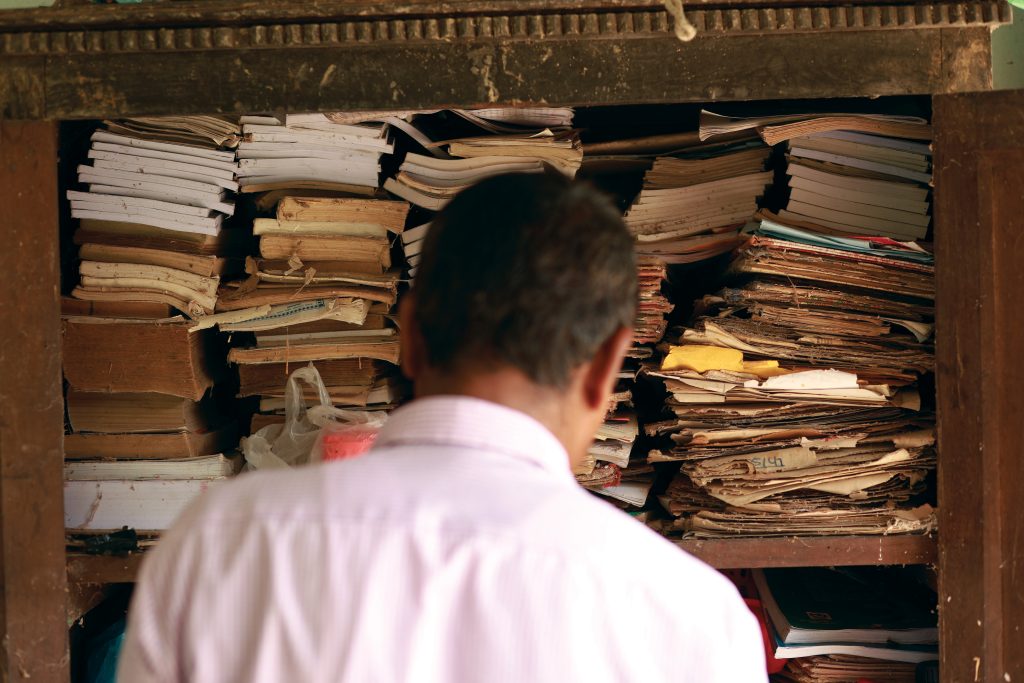
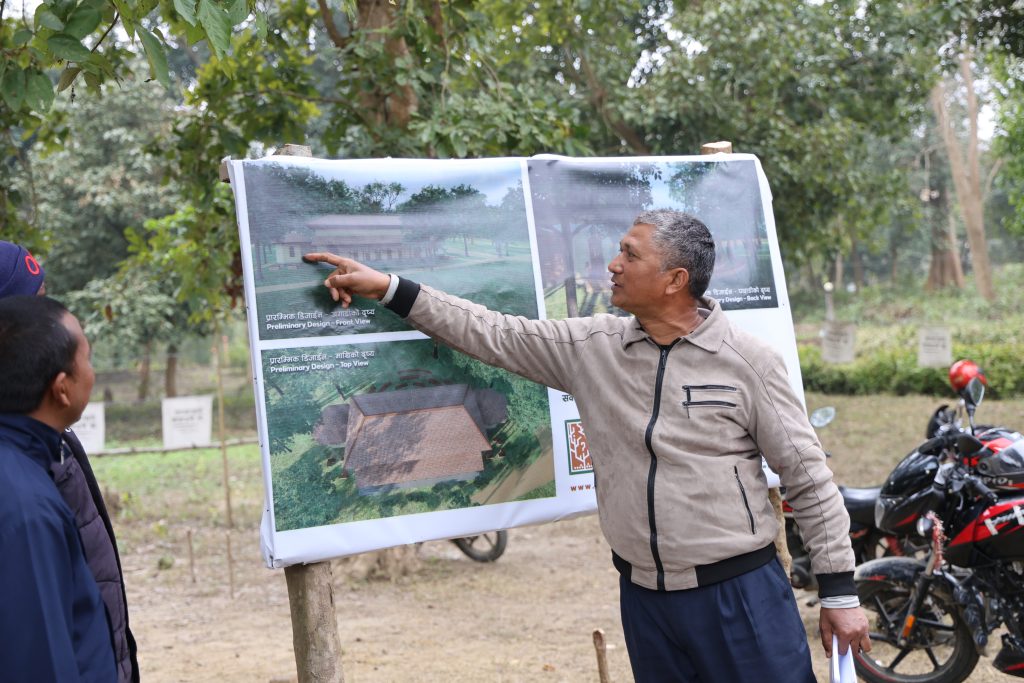
Organisers said the memorial park is being expanded to include a library and archive centre aimed at supporting research on transitional justice, memory and conflict studies.
The exhibition will remain open to the public until August 30.