

Pokhara, November 5
The Korala border point in Mustang, which has emerged as an alternative trade route with China following disruptions at the Rasuwagadhi and Tatopani border points, is facing repeated interruptions due to floods, landslides and heavy snowfall.
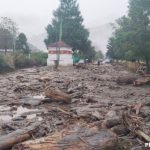
The Kaligandaki River flood on Ashoj 11 damaged several sections of the Beni-Korala road, disrupting traffic along the route. The road was reopened only towards the end of October after repair work.
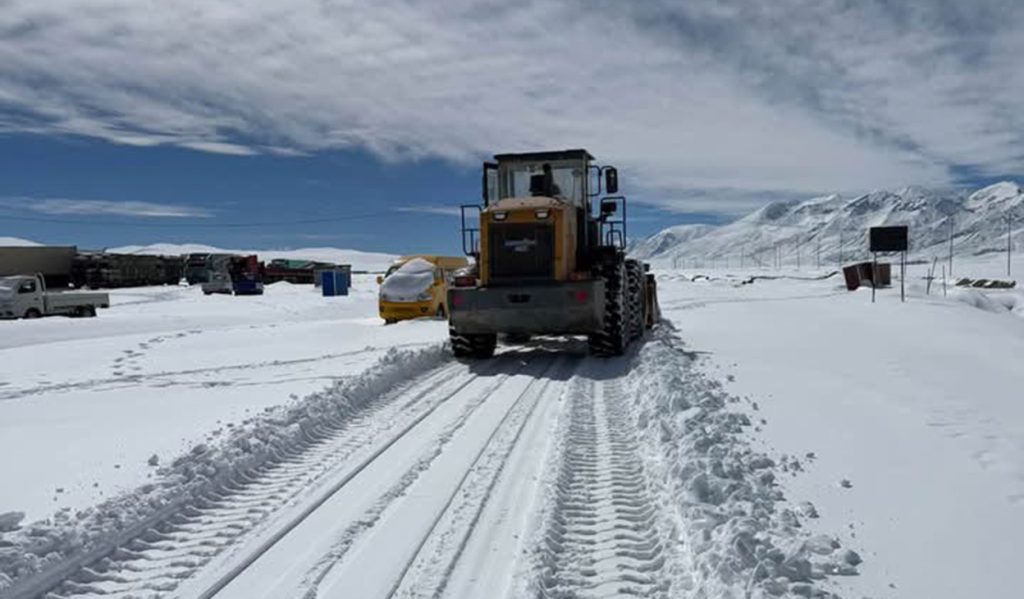
However, heavy snowfall triggered by Cyclone Arnab after Kartik 12 brought movement to a halt in Upper Mustang. Snow accumulated along the road from Nhechung, 14 kilometres from the Korala border, to the Nepal-China border, making the route difficult to navigate.
Lomanthang Rural Municipality has been leading snow clearance efforts with support from the Armed Police Force, Nepal Police and a bulldozer provided by the local government of Zhongba County in China.
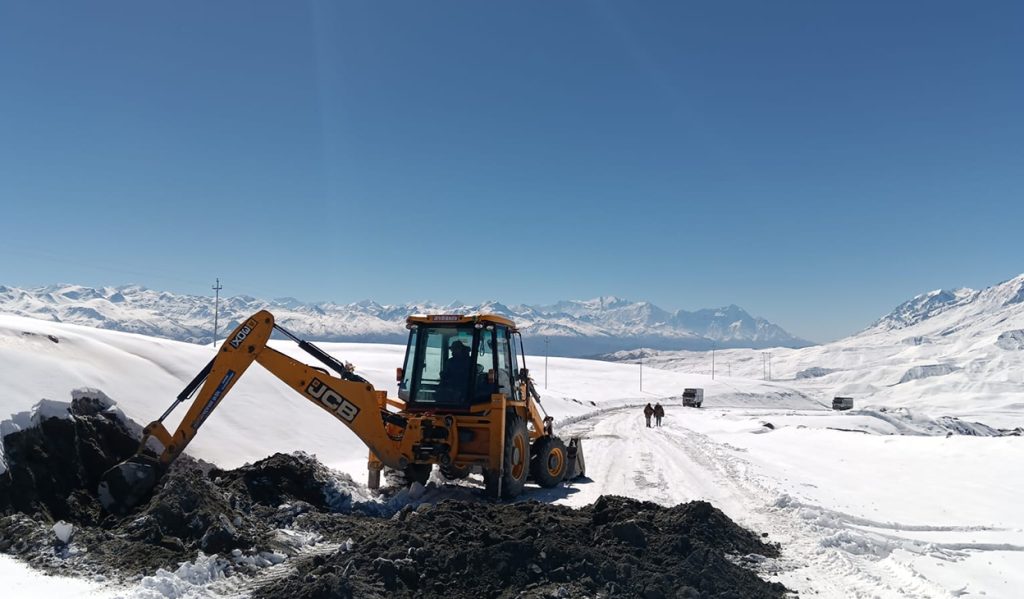
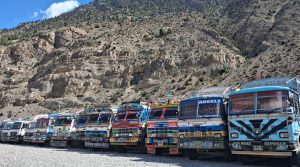
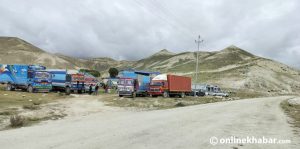
According to Rural Municipality Chairperson Tashi Nurbhu Gurung, snow clearance has been ongoing for four days, but cleared sections keep freezing again. He said around 1,700 vehicles awaiting customs clearance are currently stranded on the Nepali side of the border.
So far in the current fiscal year 2083/84, 7,100 electric vehicles (EVs) have entered Nepal through the Korala border point, according to APF Inspector Bishnu Poudel. Of these, 4,437 vehicles entered after the road was reopened following repairs from the Kaligandaki flood.
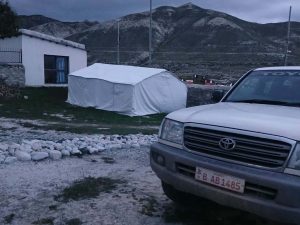
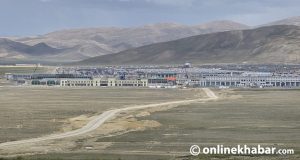
Despite growing trade through the border, inadequate infrastructure and government attention remain major concerns. The immigration office, housed in a 10-room prefabricated building, has struggled to operate regularly, while the customs office at Nhechung lacks adequate facilities and is currently without a chief.
The quarantine building at the border is also being used by police personnel. Although the government has long planned an integrated customs facility and dry port on around 1,000 ropanis of land, construction of permanent infrastructure has yet to begin.
Officials and local representatives warn that falling temperatures, which range from minus 5 to minus 11 degrees Celsius, could further disrupt vehicle movement and trade through the border.