
A river bursts its banks. A family wades through the water with what they can save. A road disappears; a farmer watches a season’s work wash away. The pictures circulate. Soon, another disaster takes their place. That family is still rebuilding. Viewers have moved on.
Football scores, election rows, rent, school fees and the small matter of getting through the day compete for attention. So must a melting glacier and the latest climate report. Urgency alone does not make anyone stop scrolling.
Climate conferences bring together ministers, scientists, business leaders and development agencies. There are speeches and photographs of people standing together. But who keeps asking questions after everyone flies home? Who tells experts that a proposed solution will not work in their village?
People living with the consequences are still too often invited to attend, provide a quotation or appear in the background. They should help set the questions. Farmers know when planting seasons become unpredictable; shepherds see changes in snowfall, pasture and animal routes. Families know whether flood warnings arrive in time. Their knowledge, too, should belong in the climate conversation, not only in reports written after the water has receded.
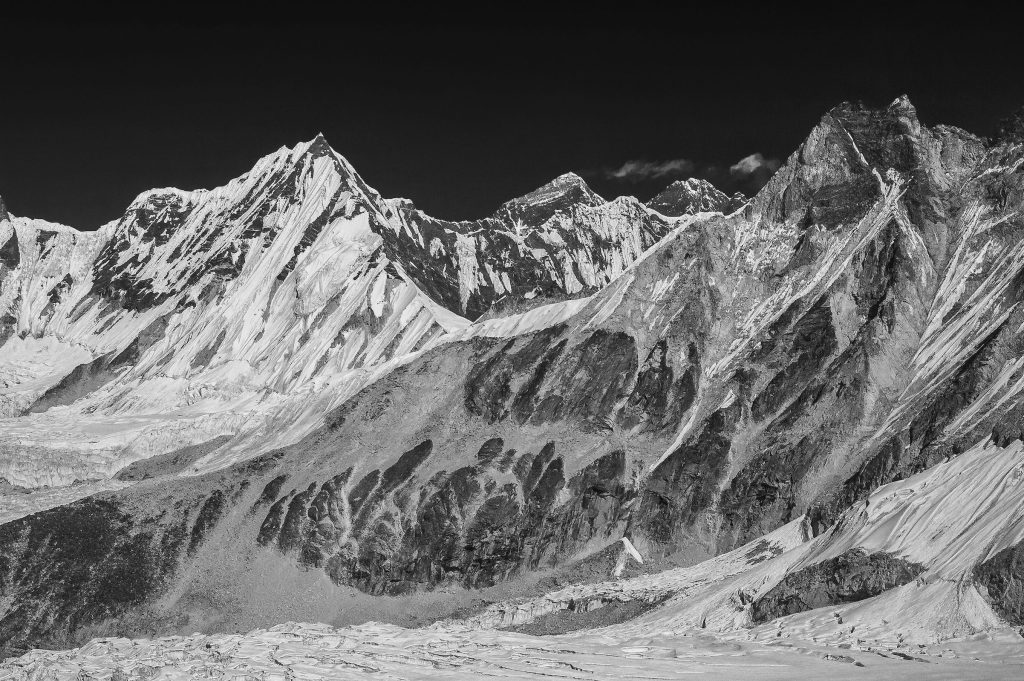
A 2025 Reuters Institute study across eight countries, including India and Pakistan, found that weekly climate news use fell from 55 per cent in 2023 to 47 per cent in 2025. Interest remained broadly stable, but audiences wanted more perspective and inspiration. The question is not only how climate change is presented, but what people are invited to do next.
Farmers may start with shifting seasons, chefs with food and water, and designers with materials. A student might ask why familiar birds no longer visit the school grounds. Climate change feels less distant when it touches what people care about.
Bangladesh’s floating gardens show what local knowledge can achieve. In flood-prone southern districts, farmers grow vegetables on floating beds of water hyacinth and other plant residues. The Food and Agriculture Organisation recognises the practice as a Globally Important Agricultural Heritage System, sustaining livelihoods where land remains submerged.
In two Nepali schools, 33 adolescents recorded 1,667 biodiversity observations, identified 72 climate-related hazards and mapped 644 locations. Researchers found duplicated entries and poor internet access. These are problems to improve, not reasons to dismiss the work.
In India’s Bundelkhand, a community radio reality show challenged villagers to restore their environment. It reached 100 villages; 25 winners helped 885 households adopt greener practices. In Pakistan’s Gilgit-Baltistan, community-managed flood early warning systems at five sites help people prepare. One encouraged action through competition; the other offers practical warnings. Neither depended on another awareness session.
But what happens when a project ends? Students could keep recording birds, plants and streams, compare findings with another school and pass the work on to younger pupils. Scientists could verify observations; farmers could explain what satellite images miss. The work should outlast its funding.
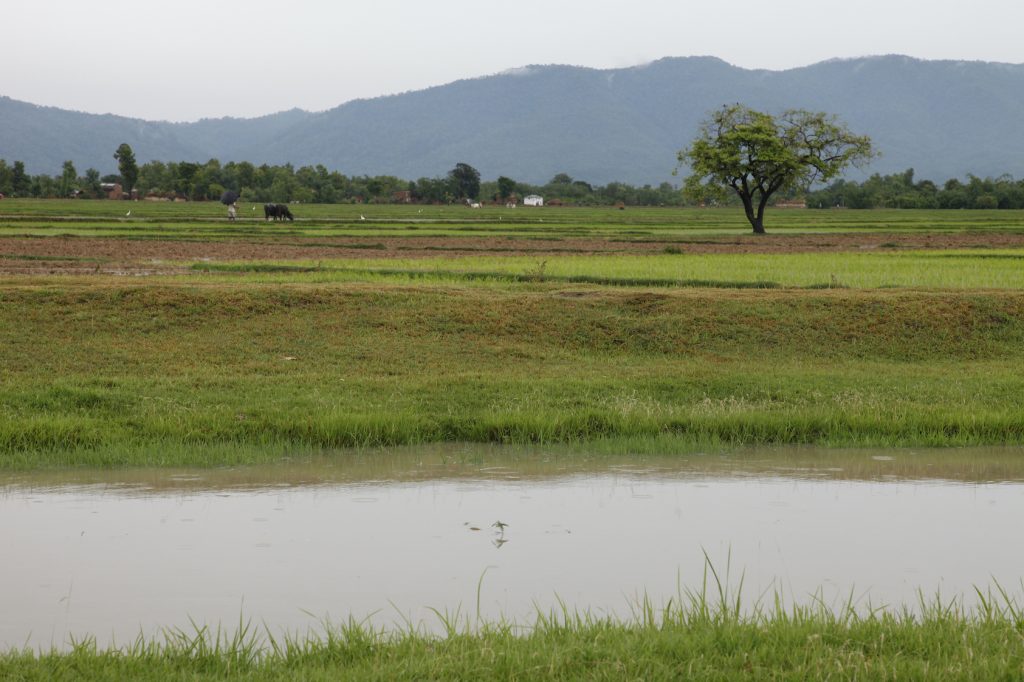
Learning need not happen behind a desk. An interschool challenge could send students to find disappearing ponds, blocked drains or dangerously hot neighbourhoods, photograph them and measure the heat. A field expedition offers discovery and a little adrenaline; a game could trace an upstream decision to a village downstream.
Even a tree-planting campaign could ask: who will water the saplings every two days, and who will return six months later to see whether they survived? There is usually a photograph of planting day. The tree has a longer timetable.
Imagine a school event staged like the United Nations General Assembly. A Grade 8 pupil gets three minutes to speak about a disappearing spring. The school shares the recording; another school joins, a scientist responds, and a village student offers another account. Someone at the back may decide to speak next time. An interest in research, filmmaking or public speaking could begin there.
Debates, performances, photo poetry, quizzes and exhibitions give people reasons to take part. Social media carries the conversation further; galleries, hotels, libraries and public squares reach people beyond environmental accounts. Tourism, publishing, design, journalism and business already have audiences. Hotels use water and energy; clothing companies choose materials; museums show changing landscapes. Why leave them out?
A large following does not necessarily mean a meaningful one. Social media brings new voices into climate discussions, but can also spread misinformation and deepen divisions. A 2026 review in Nature Climate Change examines both sides. Contributors deserve credit, consent and a response. Otherwise, participation becomes another photo opportunity, this time with a hashtag.
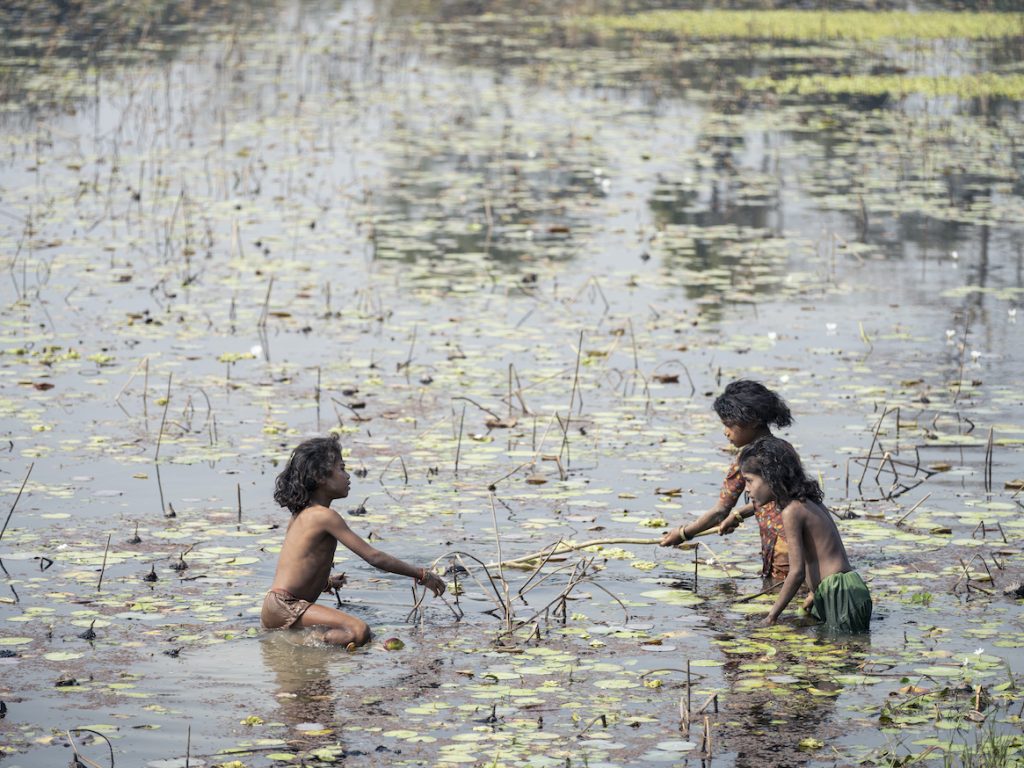
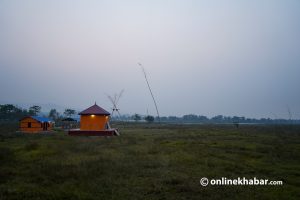
hurry home. These are also places that support wildlife, retain water and sustain nearby communities. Protecting wetlands in Nepal means protecting more than habitats; it means looking after places where everyday life and nature meet. (Credit: Location Nepal)
Nepal’s community forestry movement offers a longer view. More than 23,000 user groups protect over 2.4 million hectares and represent 3.19 million households, according to the Federation of Community Forestry Users Nepal. In October, yak herders from Bhutan, India and Nepal launched the Himalayan Yak Herders’ Network at Bhutan’s Royal Highland Festival, with ICIMOD as a partner. The herder-owned network gives them a regional voice in decisions affecting their livelihoods and high-altitude rangelands.
Where does this knowledge go? A student’s observations remain in a notebook; a farmer’s account sits on a phone. Photographs and research papers scatter across hard drives and websites. Try finding them a century from now.
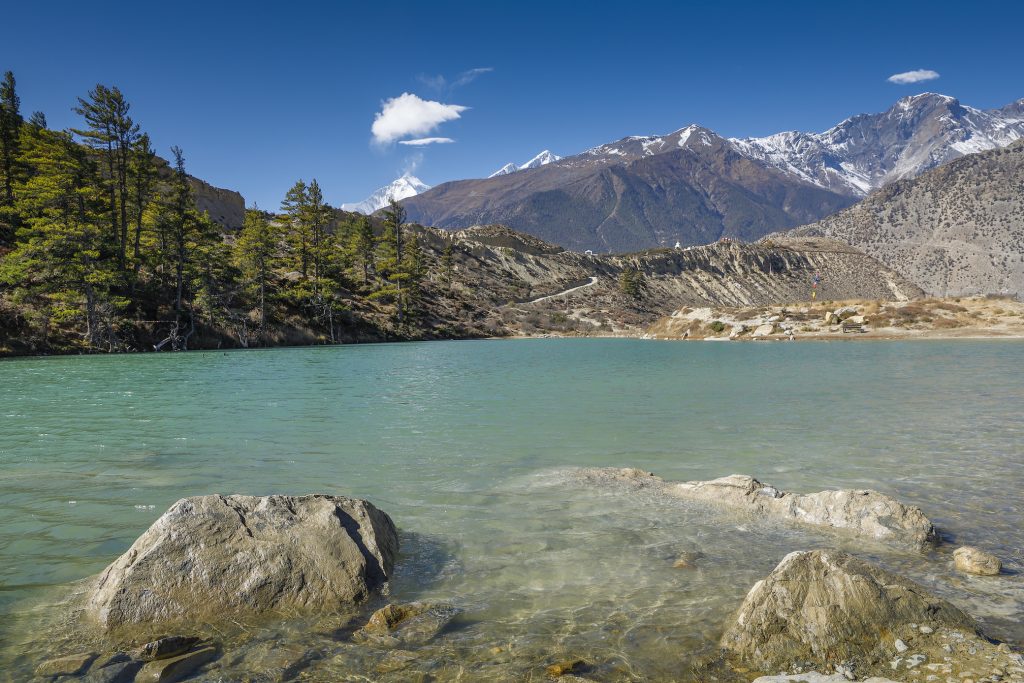
landscapes that appear dry and exposed. Such high altitude lakes are part of the wider ecological and cultural geography of the Himalayas, where changing water conditions matter to both nature and the communities around them. (Credit: Location Nepal)
A searchable public archive could bring scientific data, maps and measurements together with photographs, films and recordings. Search by river, village, species or year and find figures alongside the people behind them. Numbers show glacier retreat; photographs reveal the valley. Recordings preserve a grandmother’s memory of a spring, a child’s account of losing a home, or a shepherd’s memory of a winter without familiar snowfall. They do not replace science; they show what the figures mean to those who live there.
One effort to connect these strands is Until We Act, an initiative of the Gehendra Dhimal Foundation developing a public platform for knowledge and experience from Nepal and beyond. Its forthcoming public chapter, The Vanishing Himalayas, takes the idea into the field. In November 2026, an expedition is set to return to the Khumbu, combining aerial and ground exploration, photography and filmmaking to revisit landscapes photographed during an open-door helicopter flight in November 2005. Adventure may draw younger people in; the invitation is to see what has changed and listen to mountain communities.
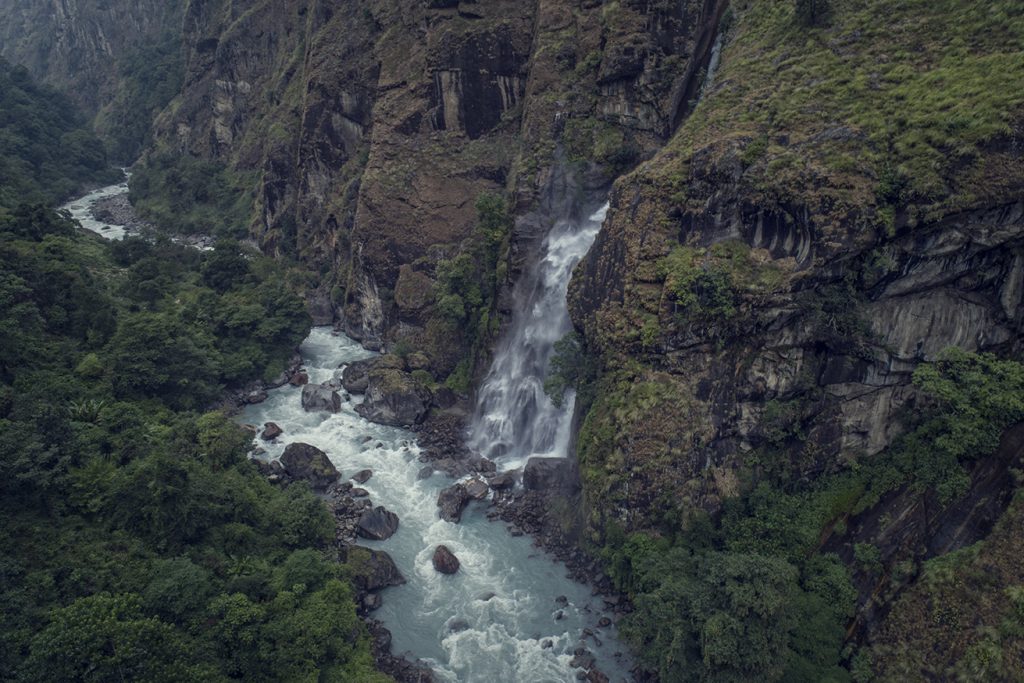
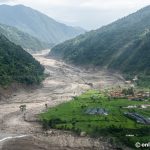
photographed for their dramatic gorges and powerful currents, but their waters connect far more than the landscapes visible from the air. They feed settlements, fields and ecosystems on their journey downstream. An aerial view of the Marshyangdi river landscape. (Credit: Location Nepal)
We have spent years showing people the effects of climate change. That work matters. But the family rebuilding after a flood needs more than another photograph. A farmer’s observation should reach a researcher; a student’s question should lead somewhere; today’s knowledge should remain available tomorrow.
The measure of success cannot simply be how many people saw the message. It must also be what they were able to contribute after seeing it.
We keep telling young people they are the future. Perhaps it is time to stop making them wait for it.