
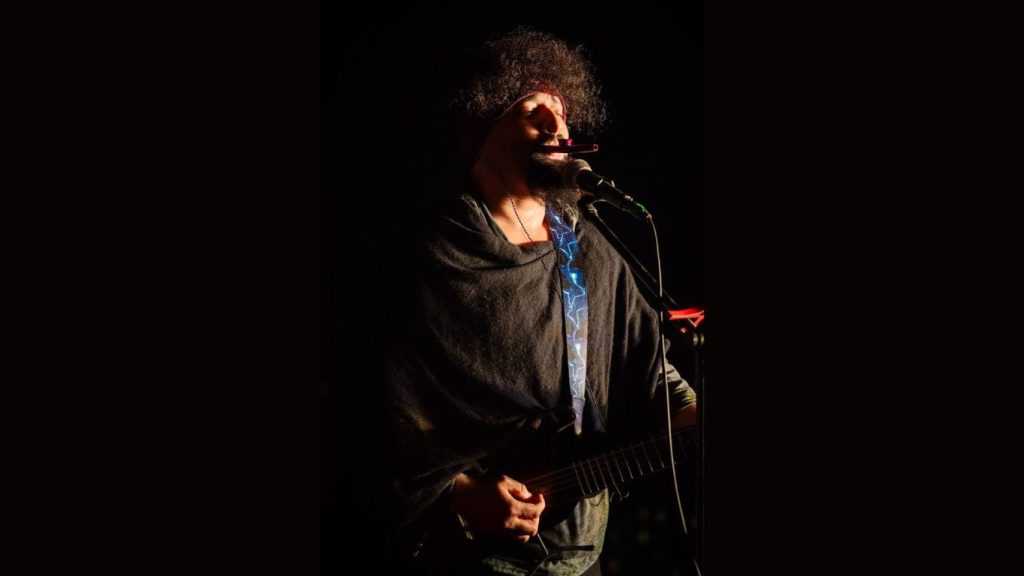
The actors, their dialogue and the story may command the audience’s attention, but a theatre performance is also shaped by the sounds and music that accompany it. They help set the mood, build atmosphere and bring scenes to life, often without the audience noticing who is behind them. In Nepali theatre, Anup Timalsina is one of those musicians whose work happens largely beyond the spotlight.
Based in Kathmandu, Timalsina has been working as a theatre musician for the past three years. It is rare to find someone in Nepali theatre who has dedicated three consecutive years solely to composing and performing music for plays. More often than not, theatre musicians work on a couple of productions before moving on. The primary reasons behind this are financial difficulties and a lack of opportunities for growth and recognition. However, Timalsina is an exception.
Working in theatre gives Timalsina a feeling that he does not want to leave behind.
“Playing music for a play from a spot on the stage where even the light does not reach, and enhancing the beauty of the play and its characters, is a golden feeling,” says Timalsina. “That is what keeps me motivated to continue working in theatre.”
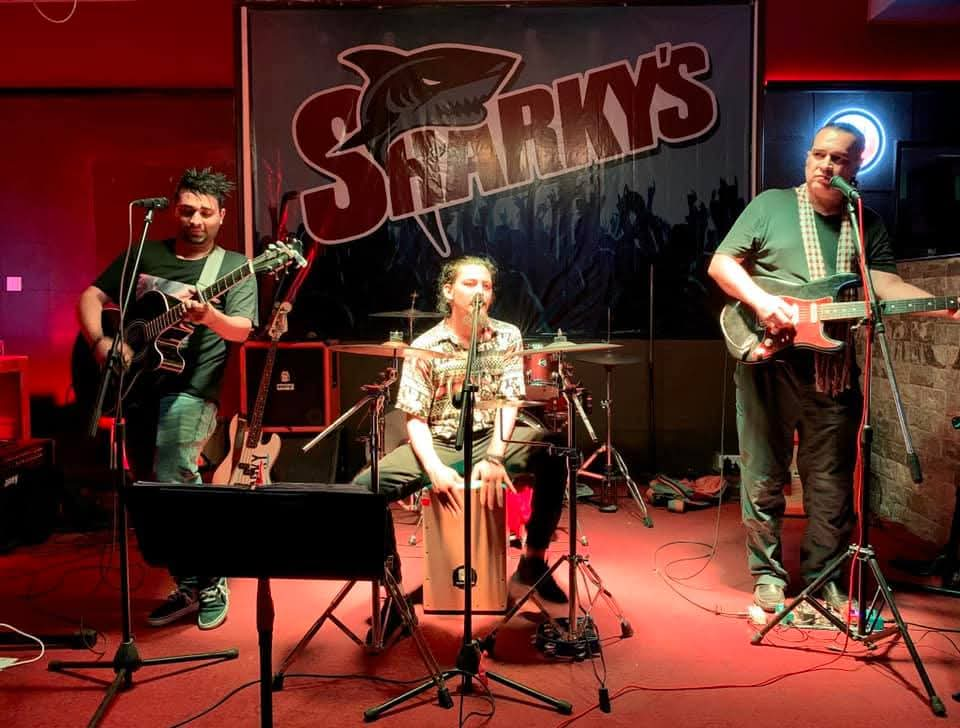
Before venturing into theatre music, Timalsina was a cover musician who performed at gigs around Jhamsikhel and Naxal with his band. Later, he spent around two years in Cambodia, where he performed Bollywood and English songs at restaurants in Phnom Penh. After working as a musician there for two years, he received an opportunity to work in Thailand. However, while returning to Nepal to complete the visa process, the COVID-19 pandemic struck, unfortunately derailing his plans.
After the COVID-19 pandemic, as things gradually returned to normal, Timalsina received a message one day from theatre practitioner Ghimire Yubraj, inviting him to Shilpee Theatre. When they met there, Ghimire approached him with an offer to work as a musician for the play Hiu Ko Prithvi Yatra. Until then, Timalsina had never been to a theatre, let alone watched a play. However, his curiosity and willingness to explore new things led him to accept the offer to work as a theatre musician.
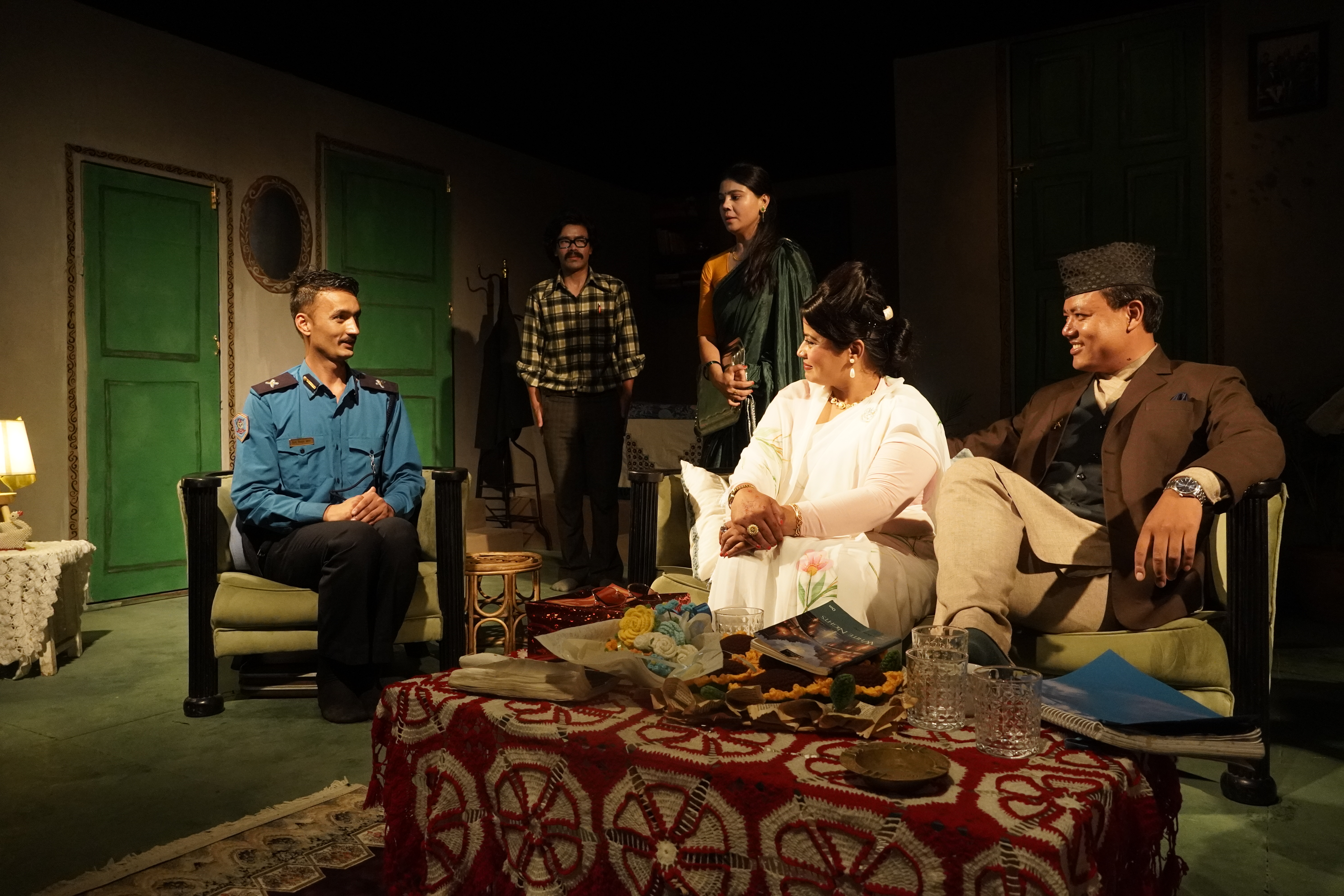
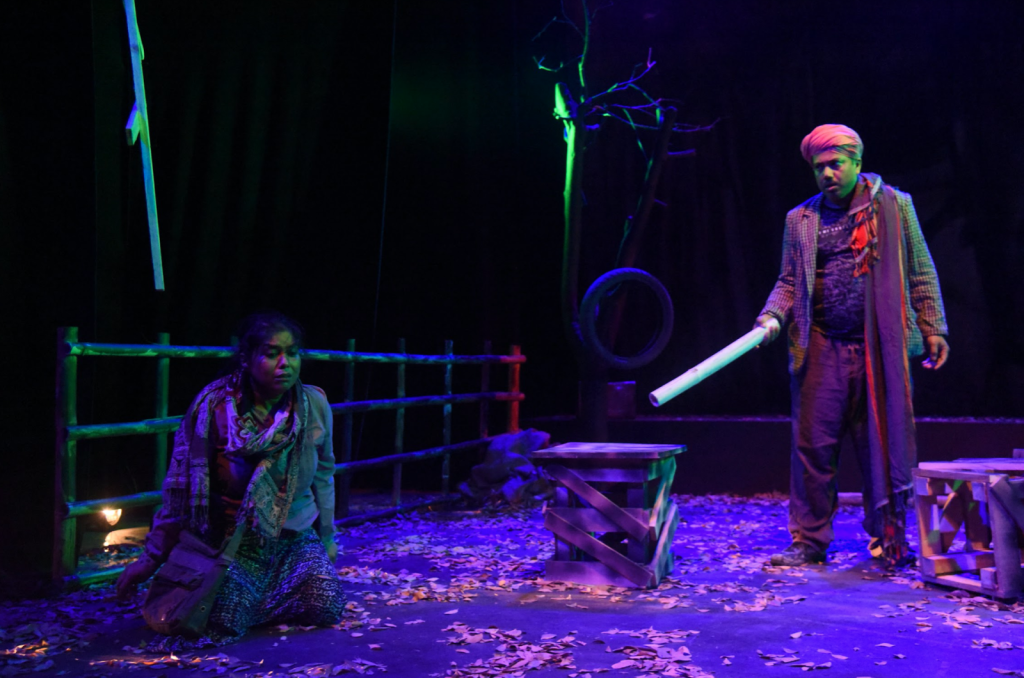
So far, Timalsina has worked on more than 20 plays, including Ticket to Hollywood, Lost and Found, Seto Dharti, Satta Patta, Mahabharat and Summer Love.
Having spent all these years working in theatre, Timalsina says he has learned many new things about music that he could not have learned as a cover musician.
The first and most important lesson for him has been the power of silence in music.
“Silence has a bigger role in music,” he says. “It is challenging to create silence in music.”
The second lesson, according to him, is that while creating music for a play might seem like a straightforward task to others, understanding the scene and performing accordingly is challenging.
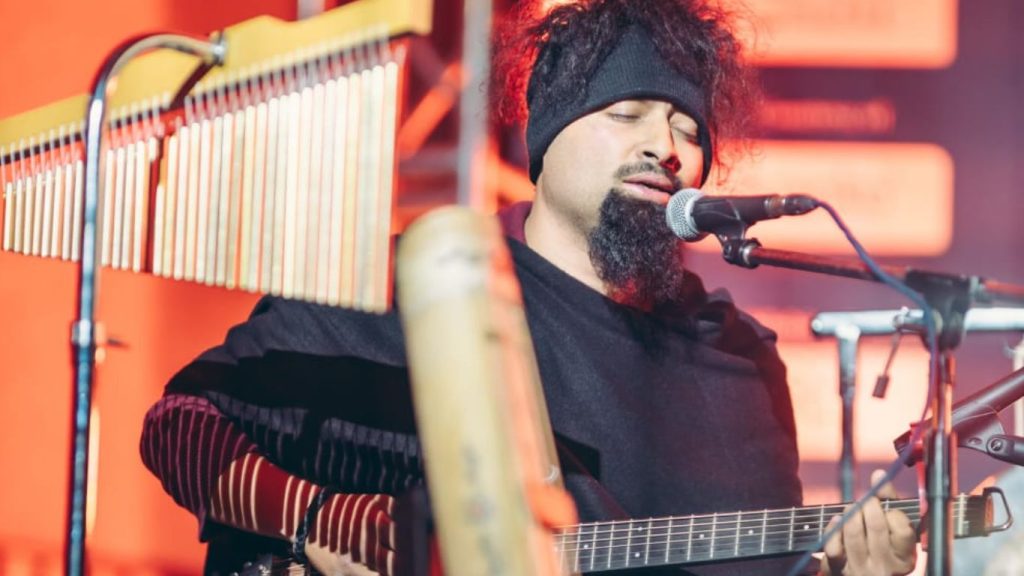
Timalsina also believes that theatre music offers more creative freedom than conventional music. However, one thing that needs to be kept in mind is that working as a theatre musician can sometimes limit one’s creative independence, as the director or playwright may interfere with the musician’s creative choices. On the other hand, he says that once you establish yourself through good work, you can also work independently, as directors become more willing to trust your creative decisions.
Timalsina’s creativity and dedication to theatre music have taken him beyond Nepal’s theatre scene. He has also toured Europe and India as a theatre musician. Having earned the trust of theatre practitioners in Nepal through his music, he got an opportunity to work as a musician for Yadakada, a poetry project by author Kumar Nagarkoti, which he considers one of the milestones of his career. Similarly, he worked for Poet Idol, a poetry reality show broadcast on national television.
While Timalsina has achieved several milestones as a theatre musician, there are also aspects of the profession that leave him disheartened.
He feels that playmakers give very little importance to music. Musicians are not invited to regular meetings, music rehearsals are not given adequate time, and scripts are often handed to them at the last minute.
“These things can happen occasionally, and that might be understandable. But when they happen in every play, it feels like the playmakers don’t value music,” says Timalsina. “These things must change.”
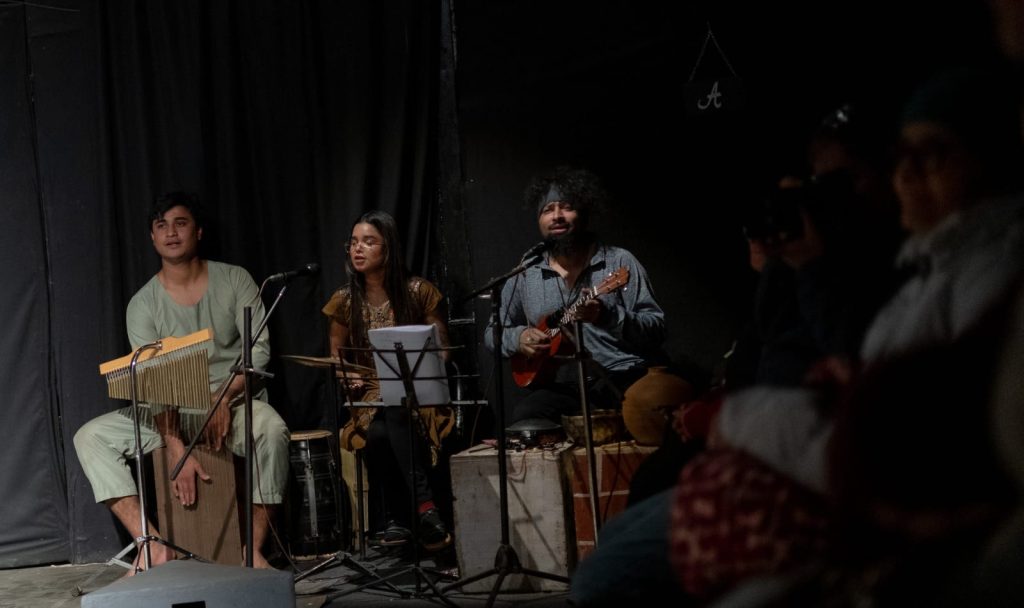
There are also things that Timalsina feels are missing in Nepali theatre. First, there is a shortage of experienced people who can guide aspiring theatre musicians, as very few people are involved in making music for plays. Second, there are no formal educational programmes or courses dedicated to theatre music.
Because of these shortcomings, Timalsina believes Nepali theatre is missing out on good music. According to him, the increasing use of AI-generated music in theatre has made matters even worse.
“Theatre music should be raw and Foley-based,” says Timalsina. “AI music does not align with the spirit of theatre.”
Alongside these challenges, another difficulty Timalsina faces is finding time to work on his independent music—the music he creates for himself rather than for plays or other projects. Whenever he gets some free time, he travels on his motorbike, hoping to create something new. Just recently, he travelled to Sikles in western Nepal and returned with the inspiration to write a new song.
Timalsina is planning to release an EP in 2027. He has already written and composed all the songs, with only the studio work remaining. He says travelling not only refreshes him but also inspires him to make music.
“I have spent years composing music for other people’s stories. Next year, I hope to tell a few stories of my own,” he says.