Kathmandu, September 1
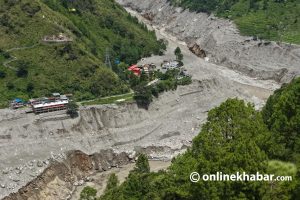
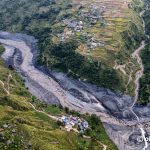
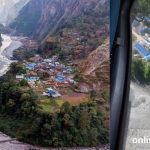
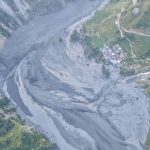
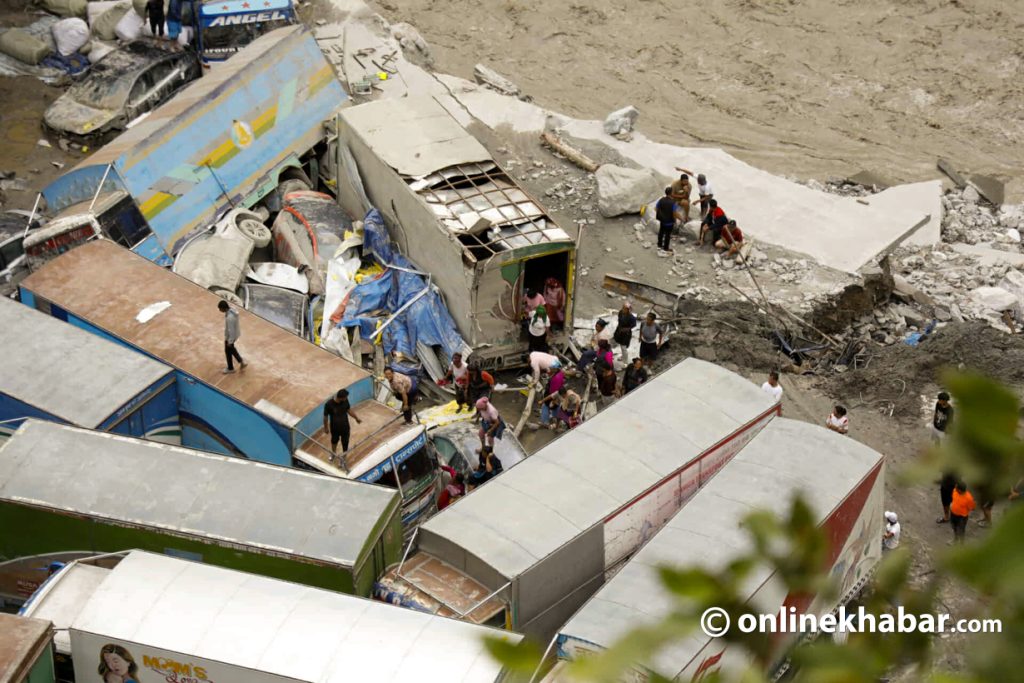
Rescue and search operations are continuing in flood-hit Rasuwa, Nuwakot and Dhading, days after a massive flood swept through the Bhotekoshi and Trishuli rivers on August 26.
As of 11am Tuesday, the Nepali Army had evacuated the bodies of 23 people by helicopter, while search teams continued efforts to locate people still missing from several hydropower projects.
At the Chilime Hydropower project in Rasuwa, a joint search-and-rescue team including foreign personnel entered around 50 metres into the tunnel to search for those trapped inside.
At the Langtang Hydropower project, the team searched up to around 150 metres inside the tunnel, while at the Upper Trishuli-1 project, rescuers reached around 200 metres inside but have so far been unable to carry out any rescues.
At the Upper Trishuli-3A project, rescuers have located the tunnel head and are using a compressor to supply air inside. Water is being pumped out, while three excavators have opened an alternative route of around 15 metres.
Teams are also breaking rocks to create an entry point into the tunnel.
At Upper Trishuli-3B, security personnel and technical experts have located the tunnel entrance and are using an excavator to clear a path inside.
279 people rescued alive
During the initial rescue operation following the floods, 279 people were rescued alive from hydropower project areas.
They included two people from Rasuwagadhi Hydropower, 33 from Upper Trishuli-1, 221 from Upper Trishuli-3A, two from Upper Trishuli-3B, nine from Mailung Hydropower, four from Nuwakot Solar Power, three from Trishuli Hydropower and five from Devighat Hydropower.
The Nepali Army said more than 9,200 personnel have been deployed across affected areas from Timure in Rasuwa to parts of Nuwakot, Dhading, Chitwan and Nawalparasi East.
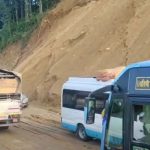
They are involved in searching for and rescuing injured people, recovering and managing bodies, clearing blocked roads and providing emergency medical treatment.
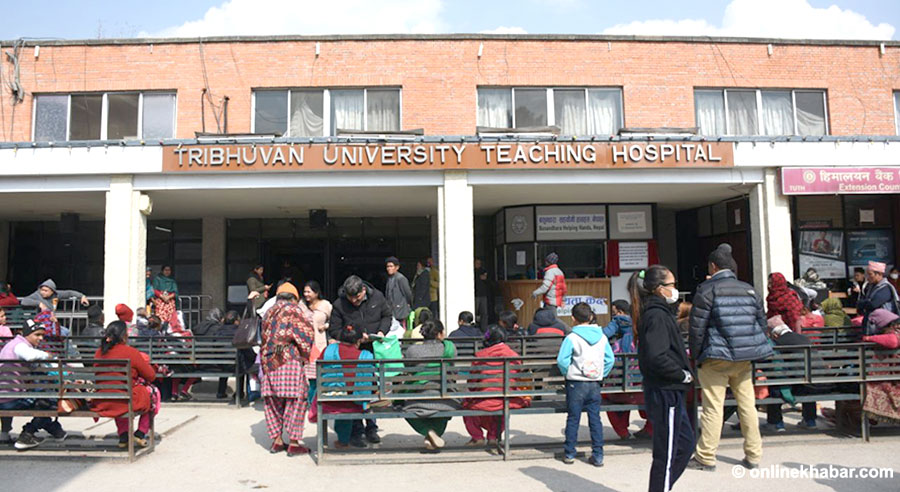
The collection and management of bodies recovered from the flood-affected areas are also continuing.