
Kathmandu, October 15
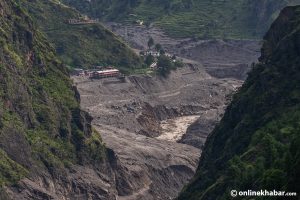
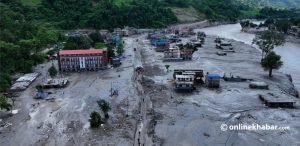
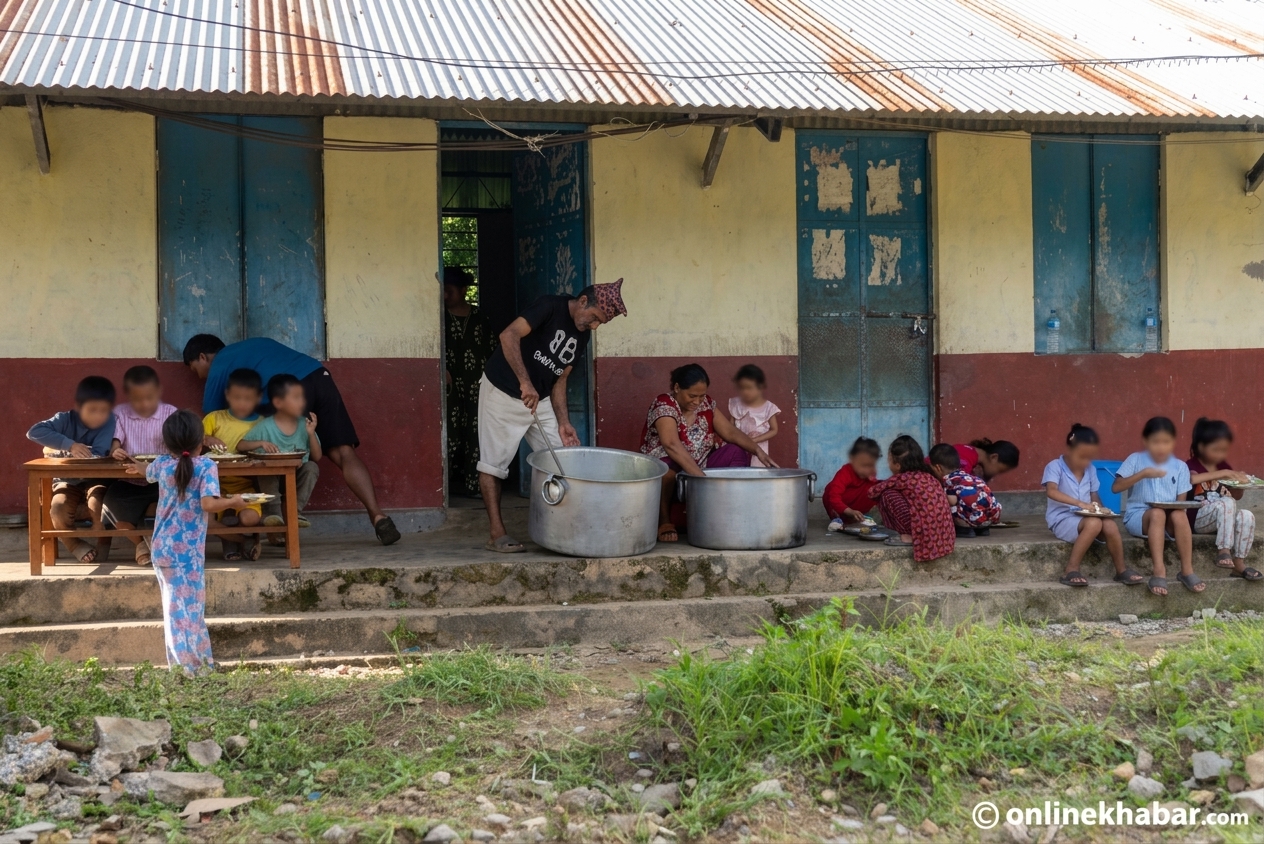
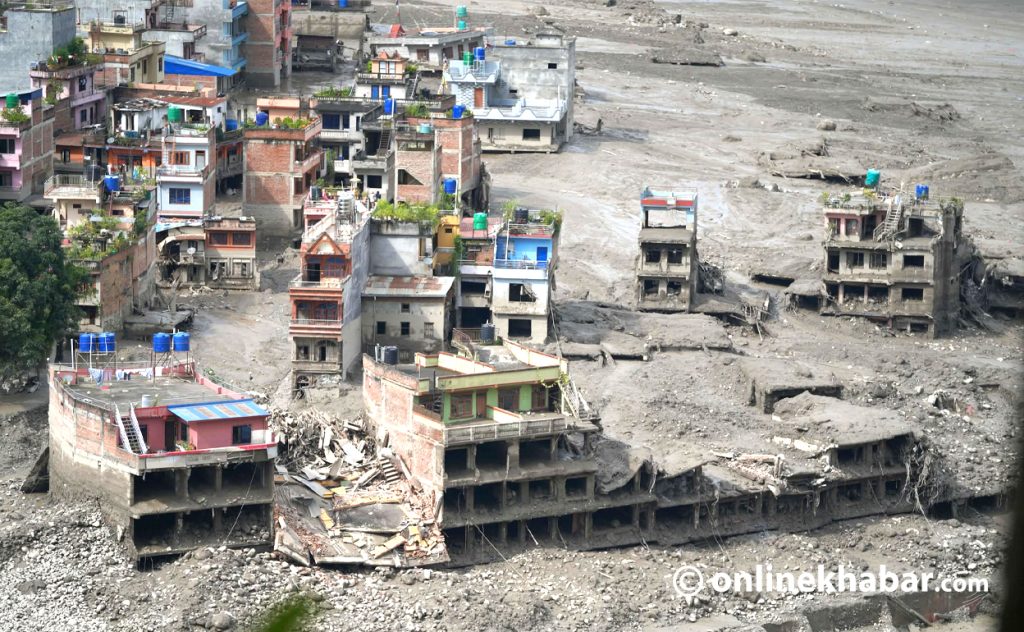
A measles-rubella vaccination campaign planned for flood-affected districts of Rasuwa, Nuwakot and Dhading has been put on hold because authorities have been unable to determine the whereabouts and living arrangements of children displaced by the August 26 Bhotekoshi floods.
“Children in the flood-affected areas have been scattered, and we do not know where they have gone,” a Department of Health Services official said. “As we do not have accurate information about their situation, we have been unable to launch the vaccination campaign immediately.”
Displaced families remain scattered as the government has been unable to arrange timely rehabilitation. Initial estimates suggest that around 34,000 children aged six months to under 15 years in affected local units of Rasuwa and Nuwakot need to be vaccinated.
Including local units in other affected districts, authorities estimate that the campaign will target around 75,000 children.
The National Immunisation Advisory Committee had recommended vaccination campaigns against several diseases, considering the risk of infectious disease outbreaks in flood-affected areas. The government has already administered cholera vaccines to more than 70,000 people.
Dr Abhiyan Gautam, chief of the Immunisation Section at the Family Welfare Division, said identifying the locations of children in flood-affected areas remained a major challenge to launching the measles-rubella campaign.
Some families who initially stayed in temporary holding centres have since moved to relatives’ homes, while others are searching for temporary accommodation. This has made it difficult for vaccination teams to reach the targeted children, he said.
“Not everyone who stayed in the holding centres is still there. Some have moved in with relatives, while others are living in temporary accommodation. As we cannot determine which communities to visit for vaccination, we have been unable to launch the campaign immediately,” Gautam told Onlinekhabar.
Campaign planned after Dashain

Health authorities prioritise diseases for vaccination during epidemics and post-disaster responses based on the risks in affected communities. For instance, polio vaccination may be prioritised in areas at risk of an outbreak. Similarly, measles-rubella vaccination campaigns are recommended in areas where the diseases have not been detected but where the risk of transmission remains a concern.
Priorities are determined by assessing immunity levels in communities and identifying areas facing greater risks.
According to Gautam, the measles-rubella vaccination campaign is now planned for after Dashain. District authorities are preparing accordingly, and the campaign will begin once they confirm that preparations are complete.
“We plan to reach children wherever they are and vaccinate them. The necessary plans have been prepared, and we are getting ready to launch the campaign after Dashain,” Gautam said.
Unlike the oral cholera vaccine administered to health workers and rescue personnel, the measles-rubella vaccine is given by injection. Authorities therefore need to identify the target communities, determine the number of children and establish vaccination sites before conducting an organised campaign, he said.
No measles cases reported in flood-hit districts so far
Measles is a highly contagious viral disease and a major cause of illness, disability and death among young children. Malnourished children and those with weakened immune systems are particularly vulnerable to severe illness.
The virus spreads through the air when an infected person coughs or sneezes. Under typical conditions, one infected person can transmit measles to as many as 18 others.
Measles outbreaks can lead to serious complications and death, particularly among young children. Complications include diarrhoea, ear infections, pneumonia, blindness, seizures and severe inflammation of the brain.
Measles cases have been reported in several Nepali districts, including Sarlahi, Baglung, Mahottari, Kalikot and Dailekh, since the beginning of 2026.
No measles cases have been reported in the flood-affected districts so far, Gautam said. Health facilities are continuing surveillance to detect possible cases of measles and other vaccine-preventable diseases following the disaster.
According to Gautam, health authorities have been contacting health facilities in affected areas every other day to check for suspected cases of measles and other vaccine-preventable diseases.
“We are in regular contact with health facilities in the affected areas to check whether there are any suspected cases. No measles cases have been detected so far,” he said.
Experts warn that people forced to leave their homes and live in collective shelters face a greater risk of infectious disease transmission.
Measles elimination target faces challenges
Nepal has set a target of eliminating measles by 2026. After no outbreaks were reported in the country following June 2023, authorities had expected to achieve the target within the stipulated timeframe. However, subsequent outbreaks have posed fresh challenges.
Nepal had previously failed to meet its measles elimination targets for 2019 and 2023. Infections spread across several parts of the country in 2022 and 2023.
Rubella can also cause serious complications, including joint pain and swelling, inflammation of the brain and, during pregnancy, miscarriage, stillbirth and congenital disabilities such as blindness, deafness and heart or brain defects.
Symptoms and complications
The most common symptom of measles is a high fever, which typically begins 10–12 days after exposure and lasts four days to a week.
Children with measles may experience fatigue, a runny nose and cough. Their eyes may become red, and white spots may appear inside the mouth.
A rash usually develops on the face and upper neck several days after the initial symptoms. It spreads over the following three days and may reach the arms and legs before gradually fading after five to six days.
In severe cases, measles can affect the lungs, middle ear and brain. Without appropriate medical care, complications can be fatal.
There is no specific cure for measles, but patients should be isolated to prevent transmission and taken promptly to a health facility for assessment and treatment of their symptoms.