
Kathmandu, October 17
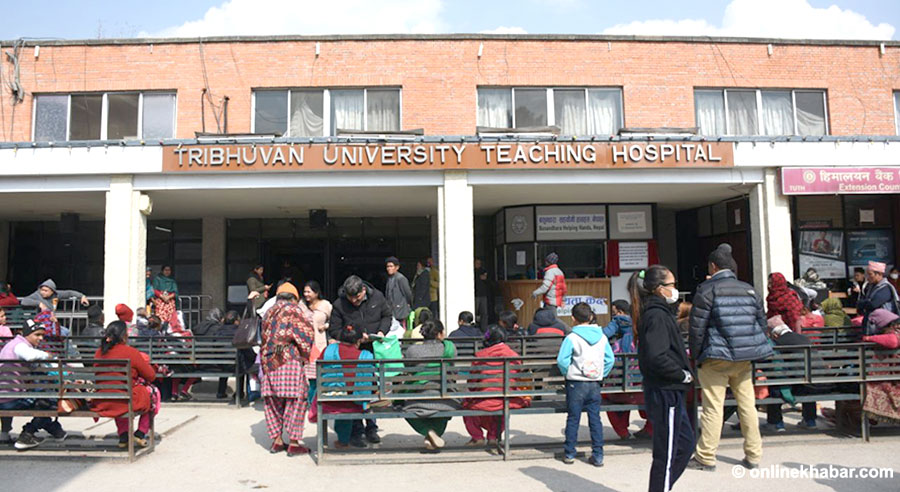
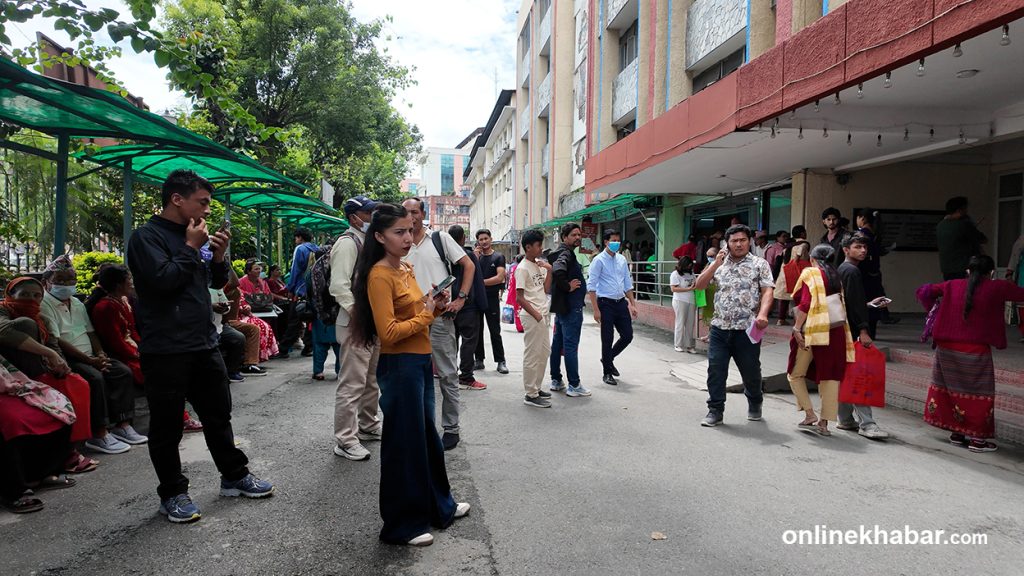
Hospitals across Nepal are preparing to maintain essential medical services during the Dashain holidays, even as most outpatient departments (OPDs) are set to remain closed for eight days.
The government has announced public holidays from October 17 (Phulpati) through October 24 (Dwadashi), with regular weekly holidays also falling during the period. As a result, routine consultations, medical check-ups and follow-up appointments at most government hospitals are expected to be disrupted.
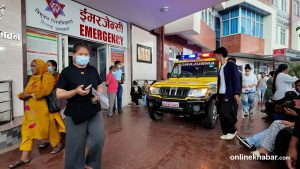
However, emergency departments, inpatient wards and other essential services will continue to operate, with doctors, nurses and other healthcare workers assigned rotational duties to ensure uninterrupted treatment.
The extended holiday could increase pressure on emergency departments as patients who would normally visit OPDs may have to postpone routine consultations or seek urgent care.
The Ministry of Health and Population has instructed federal hospitals and health directorates in all seven provinces to ensure that emergency treatment, ambulance services and care for hospitalised patients continue throughout the festive period.
Emergency services to remain operational
Ministry spokesperson Dr Samirkumar Adhikari said hospitals generally do not operate OPD services on public holidays but are required to provide round-the-clock emergency care.
Some hospitals may also decide to operate OPDs during the holidays based on their internal arrangements and needs.
“OPD services generally do not operate on public holidays, but arrangements have been made to ensure emergency care. Hospitals that stop treating patients citing the Dashain holidays will face action,” Adhikari said.
The ministry has also directed hospitals to ensure that patients requiring regular treatment, follow-up care and urgent medical attention are not left without services.
Patients undergoing dialysis must receive treatment according to their scheduled appointments, while those in critical condition must continue receiving necessary care.
Bir Hospital to merge wards to manage staffing
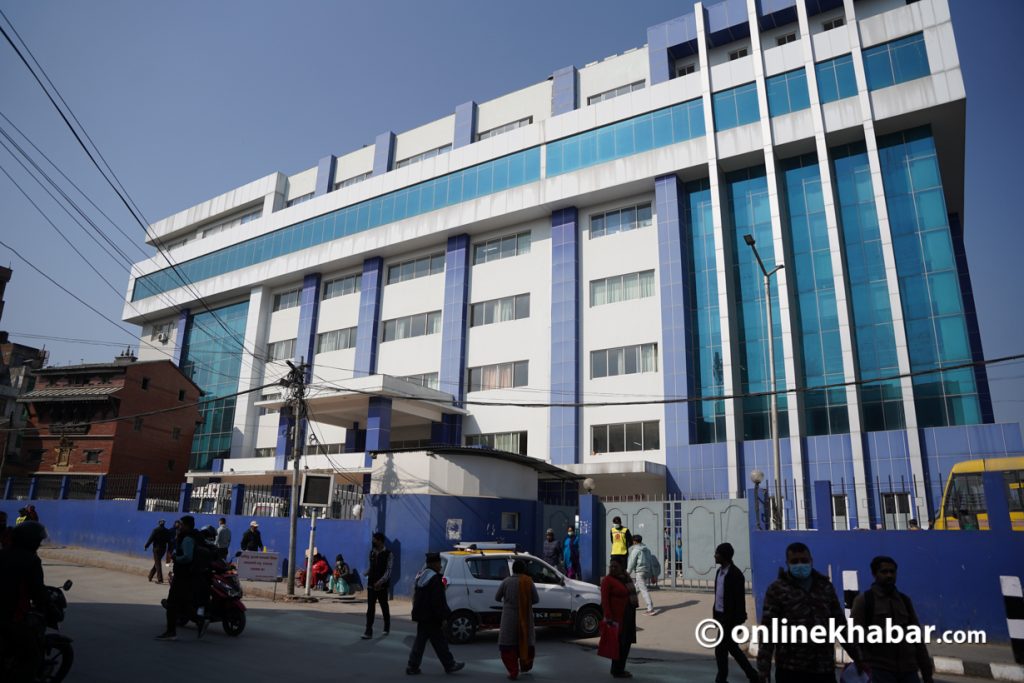
Bir Hospital will keep its emergency department, intensive care unit (ICU) and dialysis services operational during Dashain, while routine OPD consultations and scheduled surgeries will remain suspended.
Hospital director Dr Bikash Nepal said the hospital had prepared duty rosters for doctors and other healthcare workers to maintain essential services throughout the holiday period.
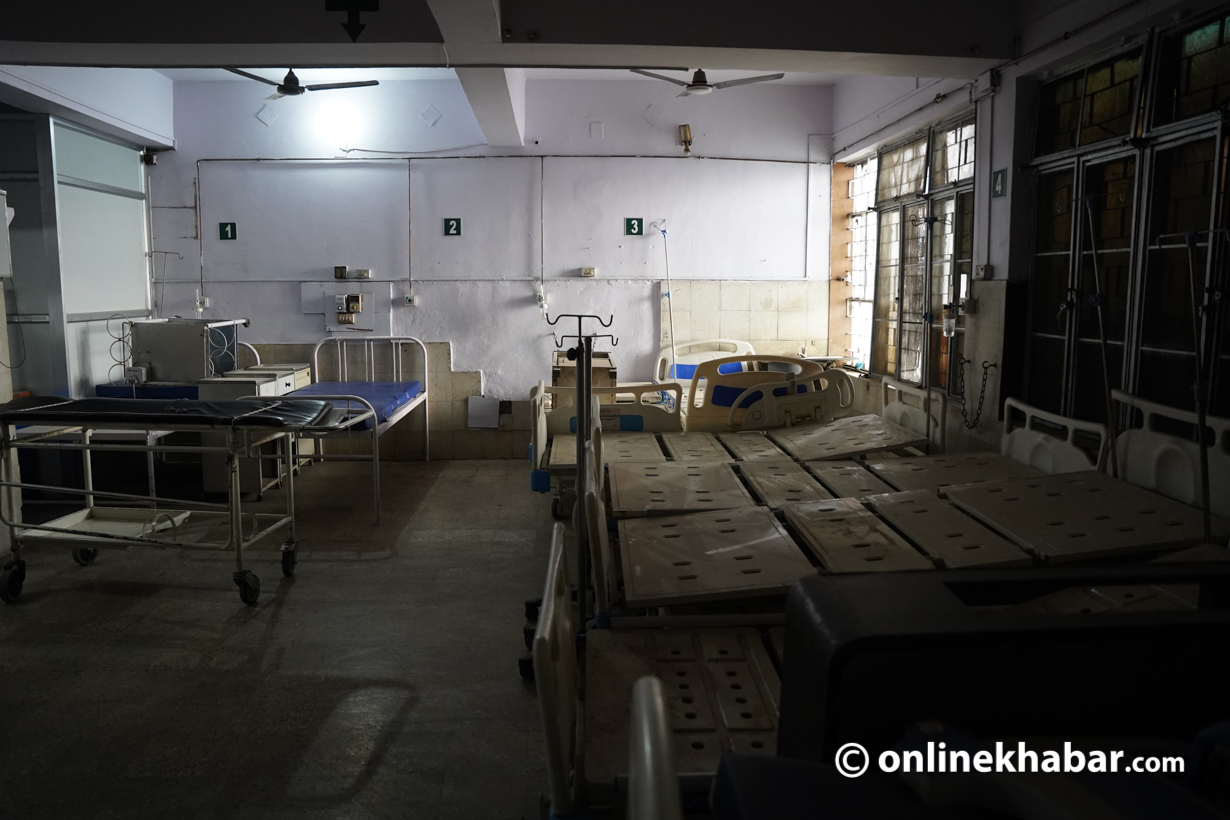
The hospital also plans to merge selected wards to manage staffing efficiently, anticipating a reduction in patient numbers as routine surgeries and services at private hospitals slow down.
Surgery, ear, nose and throat (ENT), cardiovascular surgery and gastrointestinal surgery wards are among those expected to be consolidated.
“We have merged wards with fewer patients to manage staffing. Internal arrangements have been made to deploy the necessary personnel in the wards and ICU,” Nepal said.
The hospital expects the arrangement to help it maintain essential services with available staff while ensuring that emergency cases and admitted patients receive appropriate care.
Kanti Children’s Hospital to continue emergency and inpatient care
Kanti Children’s Hospital will also suspend OPD services during Dashain while continuing emergency treatment, inpatient care, surgeries and ICU services.
Hospital director Dr Ramhari Chapagain said the hospital had arranged staffing, including specialist doctors, to prevent disruptions to children’s treatment.
The emergency department will operate 24 hours a day, with specialist doctors assigned on a rotational basis to attend to patients.
Doctors will also remain available for patients admitted to hospital wards and the ICU, as well as those requiring emergency surgery.
Chapagain said only OPD services would be suspended, adding that patients receiving outpatient treatment could seek emergency care if their condition required urgent attention.
Ambulance services to remain on standby
With road accidents and other emergencies posing additional risks during the festive travel period, the ministry has instructed hospitals and relevant authorities to ensure that ambulances remain ready for immediate deployment.
Adhikari said the ministry was monitoring ambulance services operating through an integrated system accessible via the emergency number 102.
The system is operational in Kathmandu Valley and several other areas, with plans to expand it to additional locations.
“The ministry is monitoring ambulance services to ensure they operate effectively. We are also tracking ambulances operating through the 102 system,” Adhikari said.
The ministry has urged hospitals to make contact details for senior doctors and responsible staff available on their notice boards or websites so that patients can seek assistance if they encounter difficulties accessing care during the holidays.
Patients advised to plan routine consultations
While hospitals are preparing to maintain essential services, patients requiring routine consultations, medical examinations or follow-up appointments may need to plan around the holiday closures.
The ministry said it would monitor whether hospitals were providing emergency treatment, ward care and other essential medical services effectively throughout Dashain.
As millions of people travel and gather with family to celebrate the festival, health authorities have stressed that public holidays must not become a barrier to accessing life-saving treatment.