We are once again in the grip of global football excitement. As the FIFA World Cup 2026 fever spreads across continents, it brings with it more than celebration. It reignites a familiar question in many countries, including Nepal. When will we be able to host events of this scale, and what would that mean for our tourism and economic future? These global spectacles are deeply tied to tourism flows, urban development, and the event economy. For a country like Nepal, where tourism remains one of the most promising sectors, the aspiration is understandable.
Yet this question can be reframed. Instead of asking when Nepal can host a mega event, we might ask how Nepal can harness the same energy and translate it into a model that fits its own reality. Nepal is already globally known for its mountains, its trekking routes, and its spiritual landscapes. However, its tourism system remains largely passive, shaped by seasons, limited diversification, and uneven distribution of benefits. The opportunity lies not in imitation, but in adaptation. A growing body of global evidence suggests that small-scale, trail-based sports events can become powerful drivers of economic growth, destination identity, and rural transformation.
From mega spectacles to living trails
For decades, global sports tourism has been dominated by mega events such as the Olympics and the FIFA World Cup. These events capture global attention and promise rapid growth, but their long-term impacts are often uneven and geographically concentrated. Many host destinations struggle to convert short-term visibility into sustained development. In contrast, smaller recurring events such as marathons, trail runs, and cycling races offer a more grounded and sustainable pathway. They require less infrastructure, carry lower financial risk, and foster consistent engagement over time.
At the same time, destinations around the world have begun to align these events with natural assets, particularly trail systems. Regions in Canada, Australia, and New Zealand have demonstrated how trails combined with carefully designed events can transform entire local economies. These systems operate with a dual logic. Events bring global attention and attract participants, while the everyday use of these trails maintains visitor flows throughout the year. The result is a continuous cycle of engagement rather than a short burst of activity.
Visitors in such systems engage deeply with the local economy. Their spending extends beyond accommodation into food, transportation, guiding services, and local products. This creates a network of economic benefits that reaches small businesses and households rather than remaining concentrated in a few sectors. Nepal already possesses these conditions. Its vast networks of trekking routes, its diverse terrain, and its living rural cultures form a natural foundation. The challenge is not the absence of assets, but the absence of structured integration.
From passive trekking to dynamic experiences
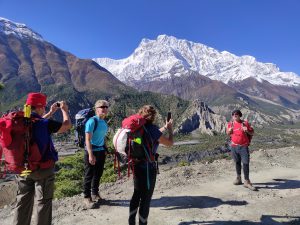
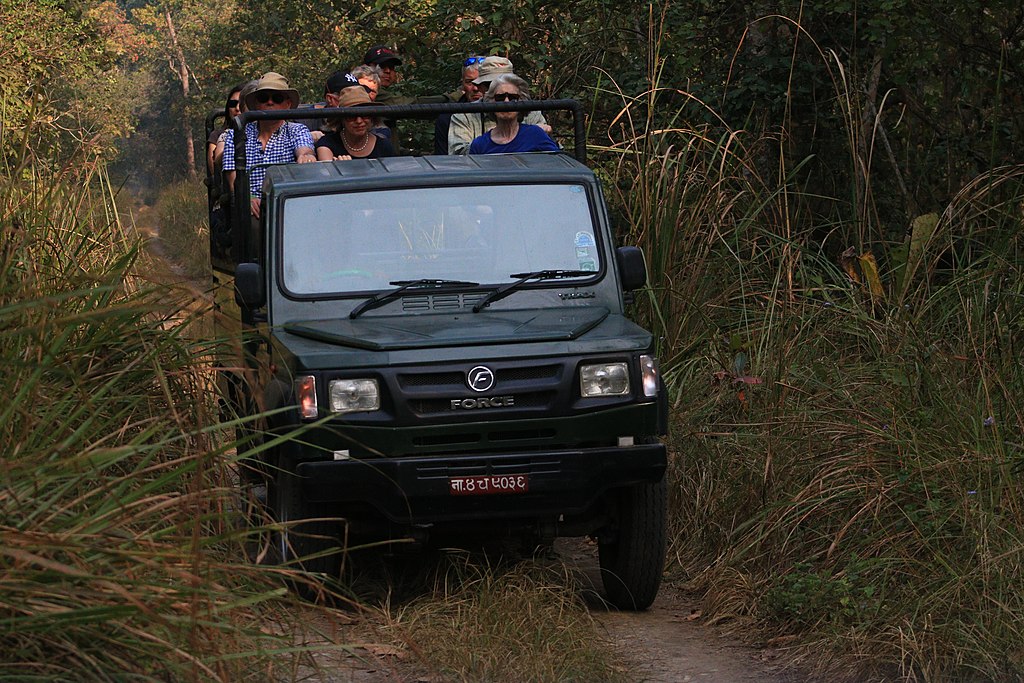
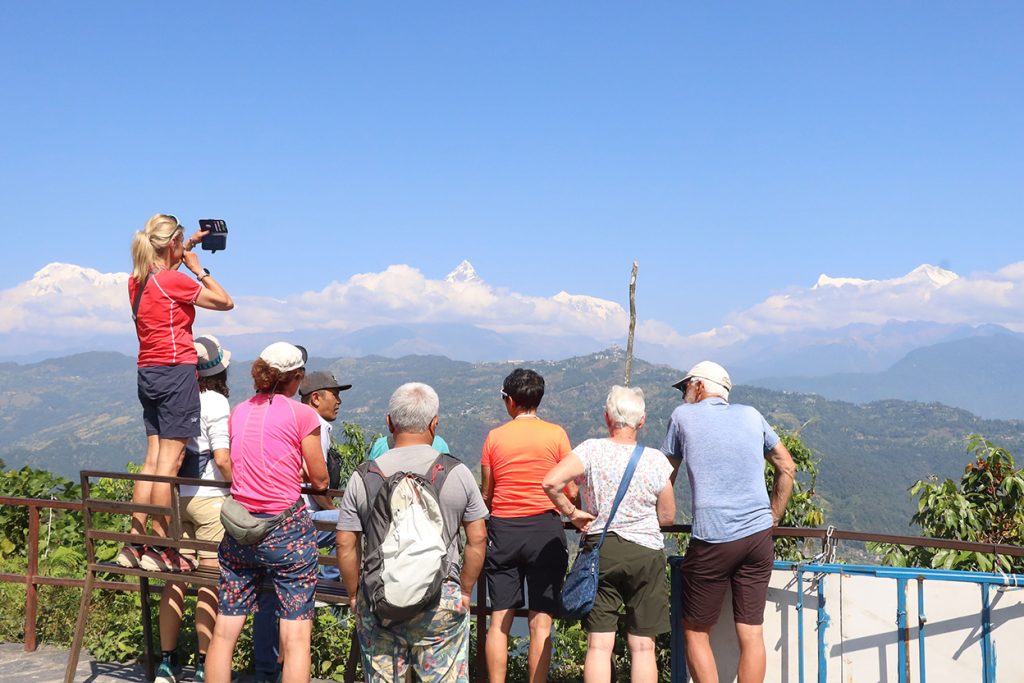
Nepal’s trekking model has traditionally been linear. Visitors arrive, follow established routes, stay in lodges, and then depart. While this model has supported the industry for decades, it limits deeper engagement and reduces opportunities for value creation. Modern tourism, especially in the realm of sports and experience-based travel, is evolving toward participation. Travellers increasingly seek connection, challenge, and memory rather than observation alone.
Integrating sports events into trekking routes offers a powerful shift. Trails can become dynamic corridors that host endurance races, cycling events, and adventure challenges while continuing to serve traditional trekkers. Concepts such as an Annapurna Trail Running Series, an Everest Ultra Endurance Circuit, or a Mustang Mountain Bike Festival illustrate how existing routes can be reimagined without being replaced. These events would not compete with trekking but complement it, adding layers of meaning and creating new motivations for travel. The result is a tourism system that evolves from passive movement to active engagement.
From centralised impact to shared prosperity
One of the most compelling strengths of trail-based event tourism is its ability to distribute benefits. Mega events typically concentrate investment and activity in major cities. In contrast, trail-based events spread economic activity across entire regions. Villages, homestays, local guides, transport providers, and small enterprises become integral parts of the tourism ecosystem.
This decentralised model aligns closely with Nepal’s development priorities. Rural communities, often located along trekking trails, stand to benefit directly. Community-driven initiatives, when supported by policy and planning, create stronger ownership and long-term sustainability. Tourism in this sense becomes more than an industry. It becomes a mechanism for development and inclusion, connecting economic opportunity with local identity.
Branding with purpose, strategy with direction
Sports events also play a critical role in shaping how destinations are perceived globally. When aligned with local identity, they reinforce authenticity rather than imposing an external image. Nepal holds a natural advantage in this regard. Its mountains symbolise endurance, its culture reflects depth and heritage, and its landscapes embody adventure. Events that are designed around these strengths can strengthen a coherent national identity in global tourism markets.
However, global experiences also reveal a critical limitation. Many promising trail-based tourism systems fail to scale effectively due to weak strategic coordination. Fragmented planning, inconsistent measurement, and lack of alignment with national tourism policies reduce their long-term impact. For Nepal, this is an opportunity rather than a barrier. By designing a structured approach from the beginning, Nepal can avoid these pitfalls. Clear coordination between stakeholders, reliable data on visitor behaviour and spending, and alignment with national tourism goals will be essential. Success will depend less on scale and more on clarity of direction.
Building an integrated vision for Nepal
Transforming this idea into reality requires a shift from isolated initiatives to coordinated systems. Nepal can begin by developing a portfolio of small and medium-scale sports events spread across its major trekking regions. This creates continuity in visitor flows and reduces dependence on a single season. Trails must be recognised as multifunctional assets, capable of supporting both traditional trekking and event-based experiences.
At the same time, local communities must remain at the core of this transformation. Supporting local entrepreneurship, strengthening homestays, and encouraging participation in event organisation will ensure that growth is inclusive. Equally important is the development of systems that measure impact. Tracking visitor patterns, spending behaviour, and repeat visits will allow policy makers to refine strategies and attract investment. Alongside these efforts, Nepal must build a clear global narrative that positions it not only as a trekking destination but as a leading destination for adventure-based experiences.
A new path forward
Nepal does not need to replicate the scale of global mega events to achieve transformation. It already possesses something more valuable: authenticity rooted in nature, culture, and experience. By aligning sports events with its trail systems, Nepal can create a tourism model that is sustainable, inclusive, and uniquely positioned in the global market.
The inspiration may come from the World Cup, but the response must be distinctly Nepali. When global sports energy turns into local vision, it opens the possibility for a different kind of transformation. Nepal’s tourism future does not depend on building something entirely new. It depends on activating what already exists.
The future of Nepal’s tourism will not be built from scratch, but unlocked from within.