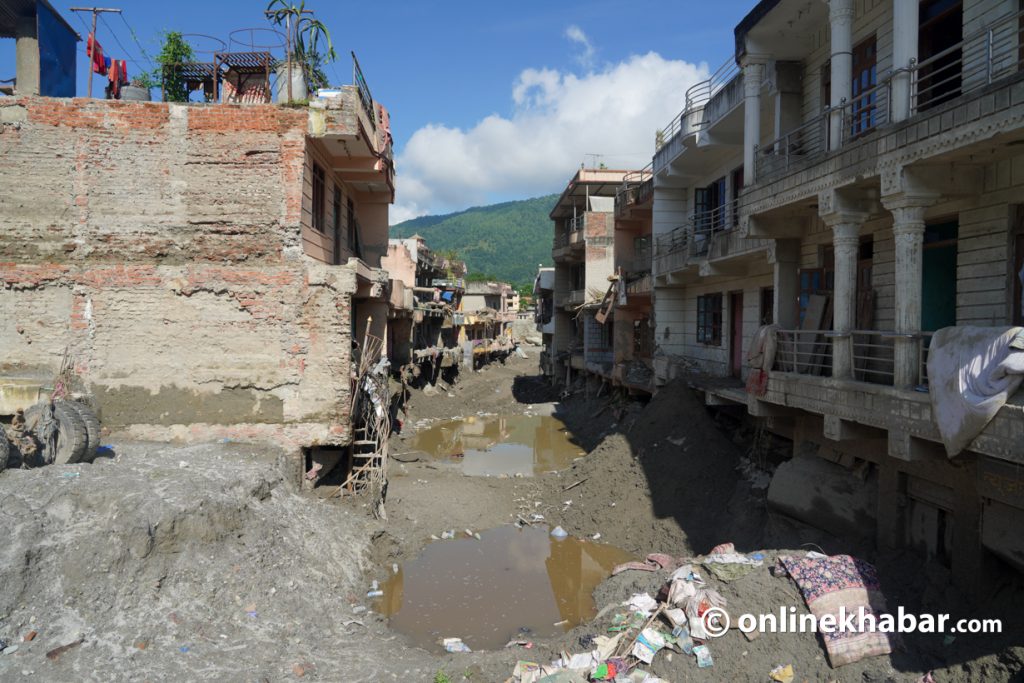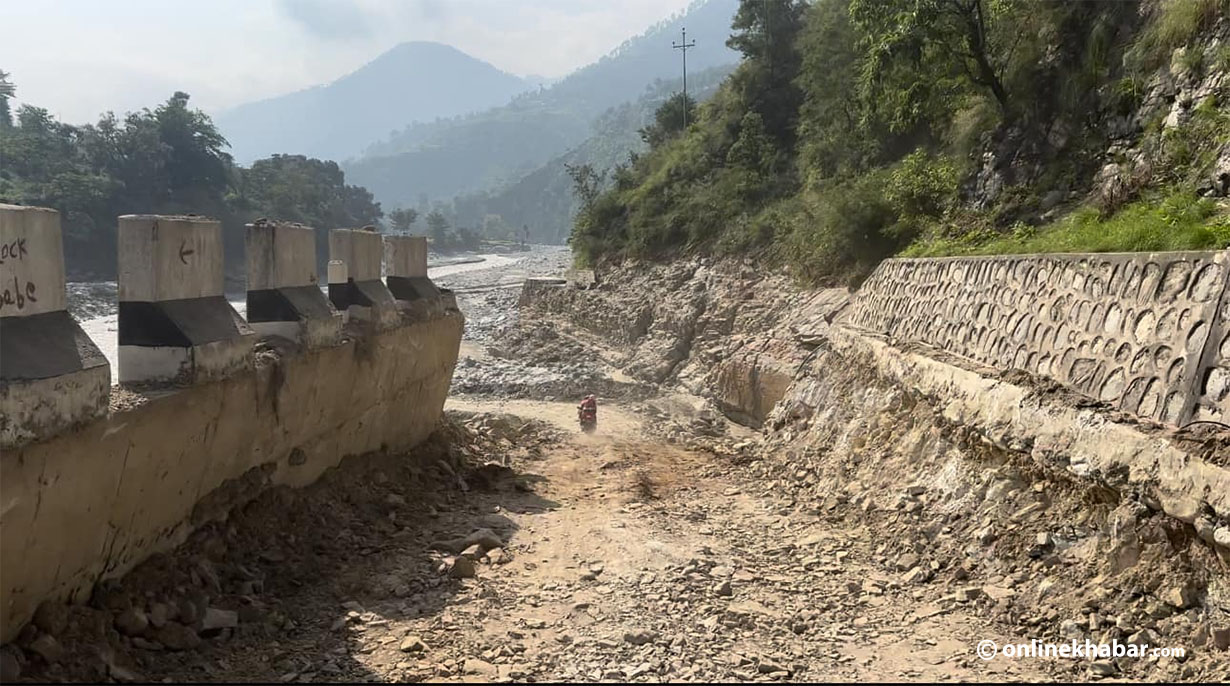
Public procurement sits at the heart of Nepal’s development system. It is the mechanism through which public resources are transformed into roads, schools, hospitals, irrigation systems, hydropower projects, and other public infrastructure. Yet it has also become one of the weakest areas of governance, characterised by chronic delays, cost overruns, abandoned projects, fragmented regulations, political interference, and persistent corruption risks.
The issue has returned to the centre of national debate following recent government action against several construction companies accused of failing to complete projects and misusing public funds. While these actions reflect growing frustration over poor project delivery, they also expose a deeper reality: procurement failures are rarely caused by contractors alone. Delayed projects, escalating costs, and stalled infrastructure are often symptoms of broader weaknesses in planning, project preparation, oversight, and accountability.
For years, contracts were awarded before land acquisition was completed, site clearance secured, environmental approvals obtained, or budgets fully assured. Weak feasibility studies, poorly prepared Detailed Project Reports (DPRs), unrealistic cost estimates, and politically driven project selection created a system where disputes, delays, and contract failures became routine rather than exceptional.
Recognising these challenges, the government has introduced significant amendments to the Public Procurement framework through a recent ordinance. More importantly, the reforms signal a broader shift in thinking, from procurement as a procedural exercise to procurement as a governance and implementation challenge.
From tendering to project readiness
The most significant reform introduced by the ordinance is the strengthening of project readiness requirements before contract award.
Public contracts can now be awarded only after confirming critical preconditions, particularly site availability and budget allocation. This marks a significant departure from past practices, where projects frequently entered procurement without resolving fundamental implementation constraints.
The reform addresses one of the most persistent causes of project failure in Nepal. Contractors were often blamed for delays stemming from government shortcomings, such as incomplete land acquisition, utility relocation, inadequate project preparation, or uncertain financing. By making readiness conditions mandatory, the ordinance seeks to ensure that procurement begins only when projects are technically, financially, and administratively prepared for implementation.
The ordinance also proposes a dedicated procurement service office to strengthen technical expertise, improve oversight, and professionalise procurement management across government agencies.
These changes recognise a fundamental reality: procurement failures are often manifestations of weaknesses in public investment management rather than failures of bidding procedures alone.
The political economy of procurement
Nepal’s procurement challenges cannot be understood through legal provisions alone. They are deeply embedded in political incentives and institutional practices.
One of the most significant distortions emerged after 2008, when local bodies operated without elected representatives. During this period, the so-called “all-party mechanism” became an informal arrangement through which political actors collectively influenced local development spending and project allocation. Although intended as a temporary solution, it institutionalised political control over development resources and weakened accountability.
At the same time, user committees expanded as an alternative implementation mechanism. Originally designed for small community projects, they gradually evolved into a parallel procurement system operating outside the principles of open competition.
Even after elected local governments were established in 2017, the practice continued. Under current provisions, construction works worth up to NPR 10 million can be implemented through user committees without competitive bidding. The rationale was to encourage local participation and prevent artificial splitting of contracts. In practice, however, the system has often reduced competition, weakened technical oversight, and increased political influence over project selection and implementation.
The consequences have been significant. Competitive procurement has been bypassed for larger projects, political influence over local development spending has expanded, technical supervision has weakened, and financial accountability has diminished. Corruption risks have therefore become increasingly decentralised, shifting from central procurement processes to local development spending.
This does not mean user committees have no role. Community participation remains valuable for small-scale local works. However, when procurement substitutes competition with political discretion, the risks to value for money and transparency increase substantially.
Procurement failures begin before construction
Public debate often focuses on contractors when projects fail. In reality, many procurement failures begin long before construction starts.
Weak feasibility studies, poor DPRs, unrealistic engineering estimates, delayed approvals, and inadequate supervision frequently undermine projects from the outset. Yet accountability remains highly uneven. Contractors are often the most visible targets of investigation, while consultants, DPR preparers, design approvers, supervising engineers, and payment authorities face limited scrutiny.
The recent arrests of contractors therefore highlight only one dimension of a much broader governance problem. Without accountability throughout the project cycle, enforcement risks becoming selective rather than systemic.
Low bidding presents another persistent challenge. Contracts are frequently awarded at unrealistically low prices, creating incentives for later variation orders, implementation delays, and compromises in quality. Existing provisions for contractor grading, performance evaluation, bonuses, and penalties remain weakly implemented.
Repeated amendments have compounded these challenges. Nepal’s procurement framework has undergone numerous revisions over the years, creating legal fragmentation, inconsistent interpretation, and opportunities for discretionary decision-making. The result is a system that has become increasingly complex while implementation outcomes remain weak.
Building a reform consensus
There is now growing recognition across government, parliament, professional bodies, and governance experts that procurement reform must move beyond procedural amendments.
A recurring theme in recent policy discussions is that accountability should extend across the entire procurement chain. Responsibility must not end with contractors but include consultants, DPR preparers, approving authorities, supervising engineers, payment authorities, and public officials responsible for project oversight.
There is also increasing consensus that procurement systems should prioritise value for money, competition, transparency, integrity, and delivery outcomes rather than procedural compliance alone.
The recent ordinance reflects many of these concerns through its emphasis on project readiness, institutional strengthening, and clearer accountability. The direction of reform is gradually shifting from controlling procedures to improving outcomes.
Federalism and institutional capacity
Federalism has significantly expanded procurement responsibilities at provincial and local levels. Local governments now manage substantial development budgets and are expected to deliver increasingly complex infrastructure projects.
However, institutional capacity has not expanded at the same pace. Many local governments continue to face shortages of engineers, procurement specialists, planners, legal experts, and project managers. Frequent staff transfers further weaken institutional memory and continuity of implementation.
The challenge under federalism is therefore not simply decentralisation. It is whether provincial and local governments possess the technical and managerial capability necessary to manage public investment effectively and transparently.
Without stronger institutions, decentralisation can unintentionally decentralise inefficiency and corruption alongside authority.
Procurement reform in the budget agenda

Encouragingly, many of these concerns are now reflected in the government’s broader policy and budget agenda. This suggests that procurement reform is increasingly being recognised not merely as a legal issue but as a central component of development effectiveness and public financial management.
The budget acknowledges that chronic project delays and cost overruns have become systemic obstacles to infrastructure delivery. In response, the government has announced a “Mission Mode” approach for priority projects, coupled with greater stability of project leadership. Frequent transfers of project chiefs and key officials have long disrupted implementation, weakened accountability, and delayed decision-making. Ensuring leadership continuity is therefore an important governance reform that complements procurement reform.
The government has also recognised that rigid procurement procedures and inflexible financial management systems often slow implementation even after projects are approved. Accordingly, the budget commits to procurement reforms and greater flexibility in resource management, including budget reallocations where necessary to keep priority projects on schedule.
Another significant reform targets the misuse of mobilisation advances. Advance payments intended for project implementation have often been diverted into unrelated businesses and speculative investments, leaving projects stalled despite substantial public expenditure. The proposed tracking system would ensure that mobilisation advances are used exclusively for their designated projects, strengthening financial discipline and reducing project abandonment.
The budget also addresses the long-standing problem of projects that continue consuming public resources despite little prospect of completion. The proposed Sunset Law would create a mechanism to terminate, restructure, or reassess underperforming projects, helping free scarce resources for higher-priority investments.
Recognising fiscal constraints, the government is also promoting Public-Private Partnerships (PPPs) and Hybrid Annuity Models as alternative financing mechanisms. While these approaches can mobilise additional investment, their success will depend on transparent procurement, sound contract management, and effective regulatory oversight.
Taken together, the ordinance and budget reforms signal an important shift, from a procurement system focused on procedural compliance toward one focused on project readiness, accountability, implementation discipline, and development results.
However, policy announcements alone will not solve Nepal’s procurement challenges. The government must still prioritise competitive procurement, tighter regulation of user committee spending, stronger feasibility studies and DPR quality, digital procurement systems, professional procurement cadres, performance-based evaluation, stronger local oversight, and clear accountability throughout the procurement chain.
Fixing procurement governance
Nepal’s procurement crisis is fundamentally a governance challenge rather than simply a contractor problem.
The recent ordinance, the government’s budget commitments, and the growing consensus around reform all point toward the same conclusion: procurement must become more transparent, competitive, accountable, and professionally managed.
The recent arrests of contractors have highlighted the urgency of reform. But lasting change will require accountability not only for those who build projects, but also for those who design, approve, supervise, finance, and manage them.
Ultimately, Nepal’s development challenge is not a shortage of budgets, plans, or laws. It is the state’s ability to convert public expenditure into tangible results. Public procurement sits at the centre of that challenge. Reforming it is therefore not merely an administrative necessity; it is essential for rebuilding state capability, restoring public trust, and ensuring that public investment delivers the development outcomes that citizens expect and deserve.