Kathmandu, July 21
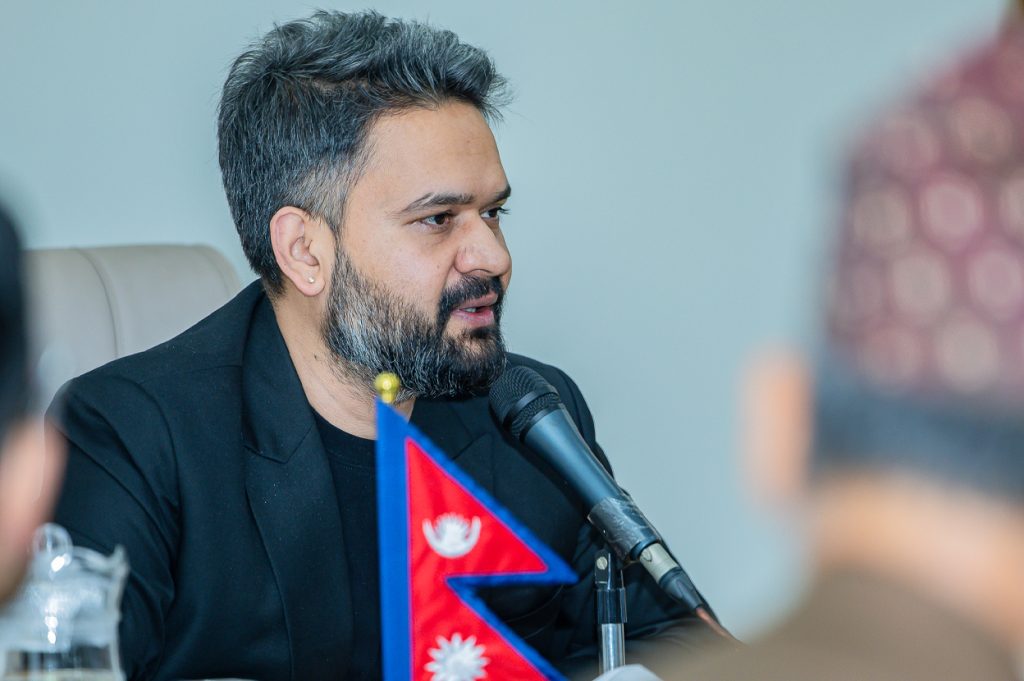
Prime Minister Balendra Shah (Balen) has said a decision has been made not to implement the 3 percent tax imposed on health and education.
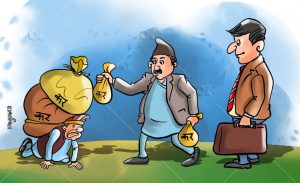
In a social media post on Tuesday, PM Shah said that implementing the 3 percent equity tax imposed on the private education and health sectors as currently framed would mean the general public having to bear additional expenses and hardship.
“Implementing the 3% equity tax imposed on the private education and health sectors as it currently stands would mean ordinary people facing additional costs and distress. Therefore, after consultation with Honourable Finance Minister Swarnim Wagle, a decision has been made not to implement the education equity fee and health equity fee for now,” the Prime Minister said. “This government is a people-oriented government formed on the trust and expectations of the citizens. Our main objective is to ensure good governance while providing all citizens with a quality standard of living.”
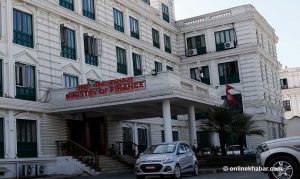
Finance Minister Swarnim Wagle had announced, through the budget statement for fiscal year 2026/27, a 3 percent “equity fee” on the education and health sectors.
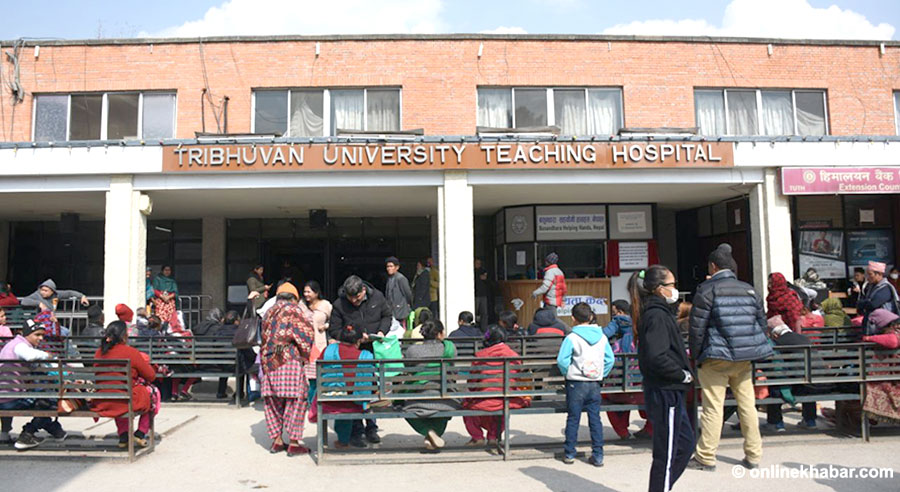
The government planned to collect an additional 3 percent charge on the service fees taken by private schools, colleges, hospitals, medical colleges, and nursing homes, and use that revenue to improve the quality of public education and health services and expand access for disadvantaged citizens.
However, as soon as the budget was made public, operators of private schools, colleges, and hospitals had been protesting the provision. They argued that imposing additional charges on basic services like education and health would ultimately burden students, guardians, and patients, making these services more expensive. Various umbrella organisations had been continuously pressuring the government to scrap the fee.
As a result, Prime Minister Balen has announced the decision not to implement the education equity fee and the health equity fee.