Biratnagar, February 25
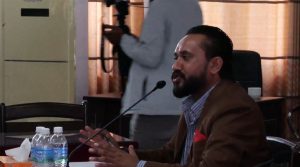
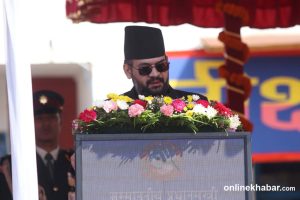
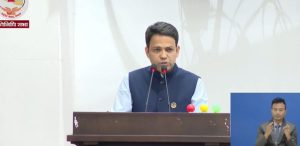
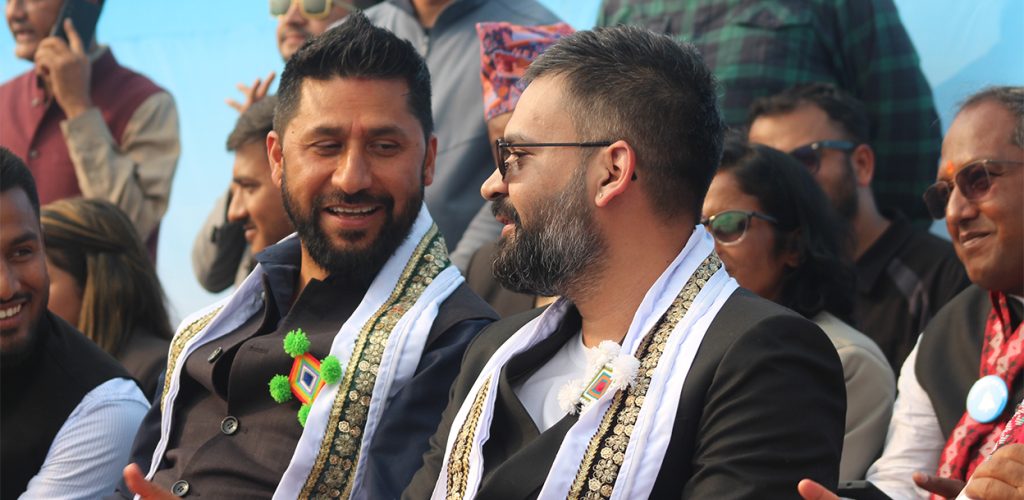
The Rastriya Swatantra Party (RSP), which had postponed its election rallies in Bhairahawa and Pokhara, held an election gathering in Itahari, Sunsari, on Tuesday. Addressing the “Declaration of Change” rally organised for supporters and candidates, senior leader Balendra Shah (Balen), who has been projected as a prime ministerial candidate, shared his views on development and infrastructure. Party Chair Rabi Lamichhane, on the other hand, spent much of his speech indirectly responding to Nepali Congress President Gagan Thapa and other critics.
Wearing the “Silam Sakma,” a symbol in Kirat culture believed to protect against death and misfortune, Balen raised issues concerning the province.
From the taste of tea to agricultural self-reliance, Balen touched on various topics, assuring residents of Dharan that water from the Koshi River would be distributed to them and that the riverbanks would be developed as a tourist destination.
Beginning his speech with interactive questions, he asked the audience where their vegetables were grown and where their tea came from. He also linked his remarks to religion and culture during his five-and-a-half-minute address.
Lamichhane focused on criticism
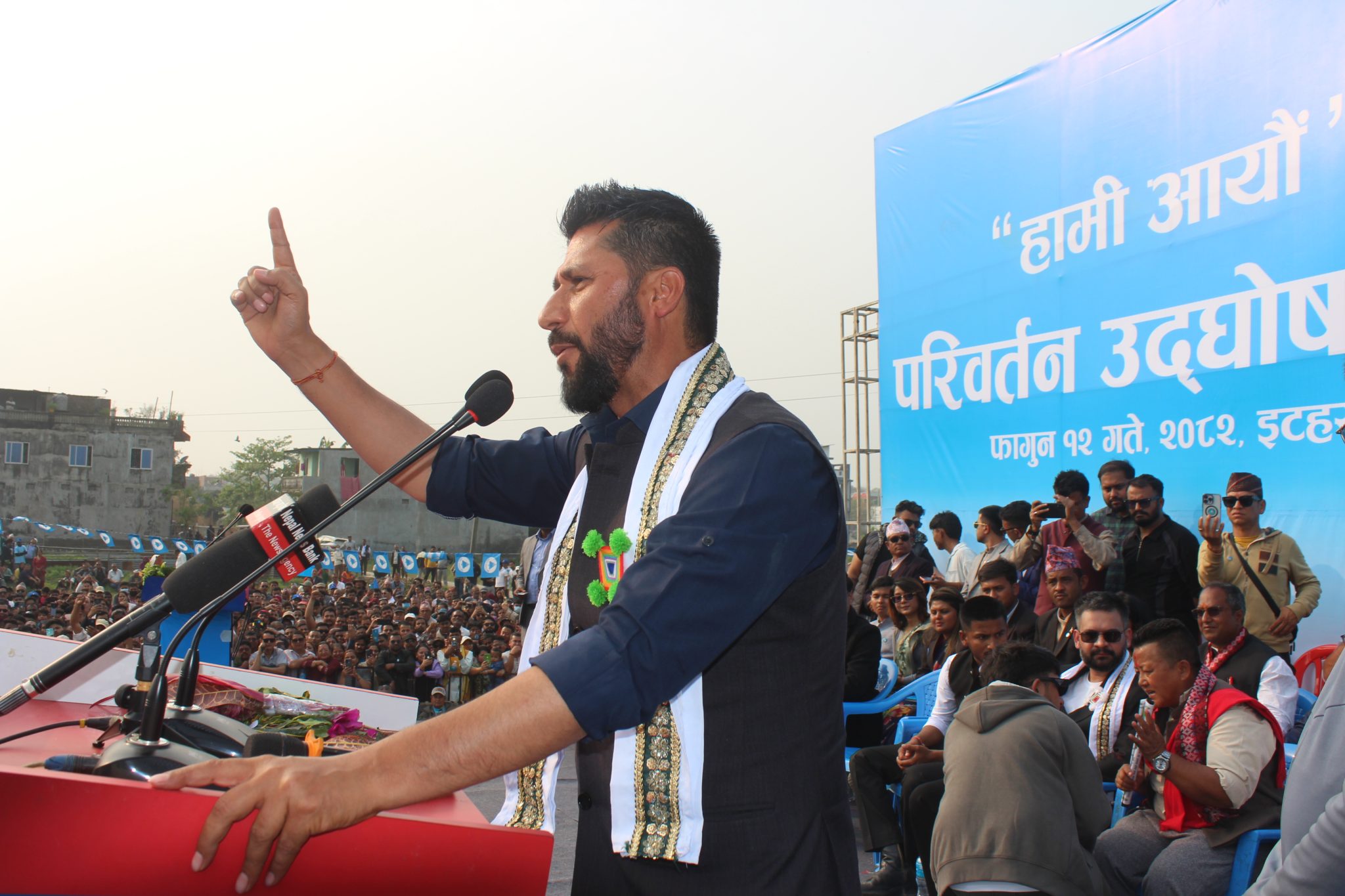
Chair Lamichhane adopted a different tone from Balen and focused largely on criticism. Stating that elections should not be postponed, he took a dig at NC President Thapa without mentioning him by name. His remarks were mainly centred on defending Balen.
On February 18, while addressing an election rally in Dhangadhi, Balen had said that those delaying road construction should be tied to a tree or detained to expedite the work.
Referring to that statement, NC President Thapa had remarked that instead of tying contractors to trees, laws should be amended to improve road construction.
Addressing the Itahari rally, Lamichhane took a swipe at leaders who had spent two decades in Parliament, remarking that they had only just realised that a dozen or more laws must be amended to facilitate road construction.
“After being MPs and ministers for 20 years, you’ve only now gained the knowledge that a dozen laws must be amended to build roads,” he said. “Keep your knowledge to yourself.”
Defending Balen’s earlier statement, Lamichhane said construction entrepreneurs do not need to panic.
“Contractors should not be worried. The country is now moving forward on the path of development,” he said. “When we say ‘tie up,’ we mean binding by law. If you work according to the law, no one will harm you.”
Lamichhane also claimed that the RSP would govern the country for the next five years and urged other parties to reform themselves during that time.
Balen expressed hope
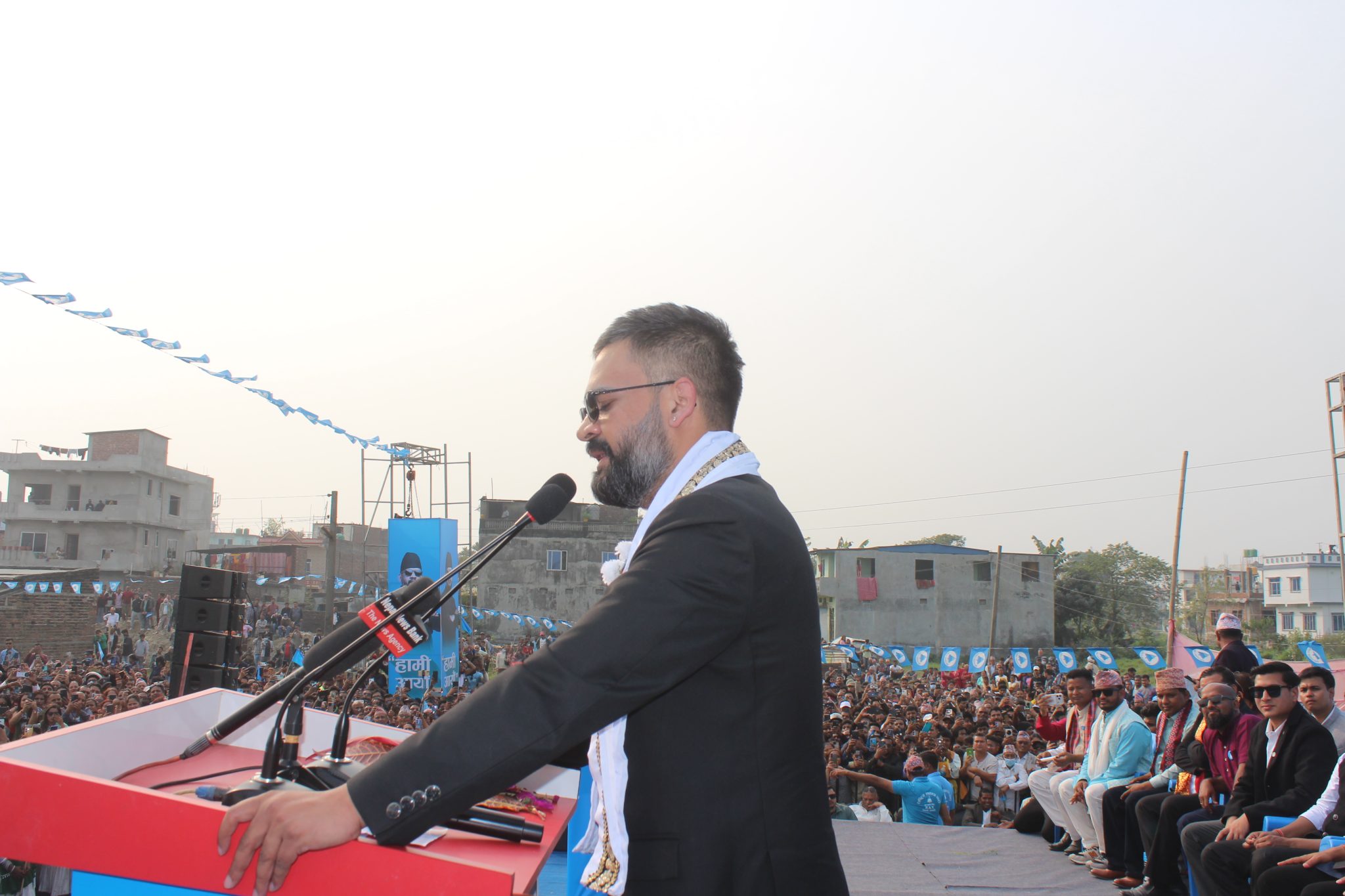
During his address, Balen said organic vegetables produced in the eastern hill districts should reach kitchens in the Terai.
“Where did the vegetables you ate this morning come from? From across the border?” he asked. “It is unfortunate that we are unable to consume vegetables grown in our own eastern hills. This problem must be solved, and the RSP wants to be the party that solves it.”
He also pledged not to let land remain barren.
He described it as unfortunate that no new industries have been established in the Sunsari-Morang Industrial Corridor, the country’s first industrial zone.
“Ending the practice of bowing to political leaders to open industries and paying donations after opening them, and creating an industry-friendly environment, is our priority,” he said.
He pledged to protect Mukumlung, Khuwalung, and Pathibhara, sites of faith for the Kirat community, and said there was a goal to promote Barahakshetra, known as the first pilgrimage site on Earth, at the international level. He also noted that Udayapur’s riverbank areas have the potential to become like Bali in Indonesia.
Addressing Dharan’s drinking water crisis, Balen said water would be brought from the Koshi River through mechanical lifting.
Harka Sampang was elected mayor of Dharan Sub-Metropolitan City after raising the drinking water issue and bringing water through voluntary labour. He is now a candidate from Sunsari-1, claiming to be a prime ministerial contender. Although Sampang has been critical of him, Balen said he would move ahead with the Koshi water project through loans, a proposal that Sampang had opposed.
Balen also outlined plans to produce athletes.
“Where do 60–70 percent of Nepal’s football players come from? From this eastern region,” he said. “But we have not yet been able to develop grassroots football, upgrade playgrounds, or establish grassroots-level training centres. To become a good football player, one must practice. The RSP wants to be a party that nurtures such a culture and produces good footballers through proper training.”
Pointing to the Silam Sakma, he concluded by saying that the RSP aims to become the party that safeguards the nation.