
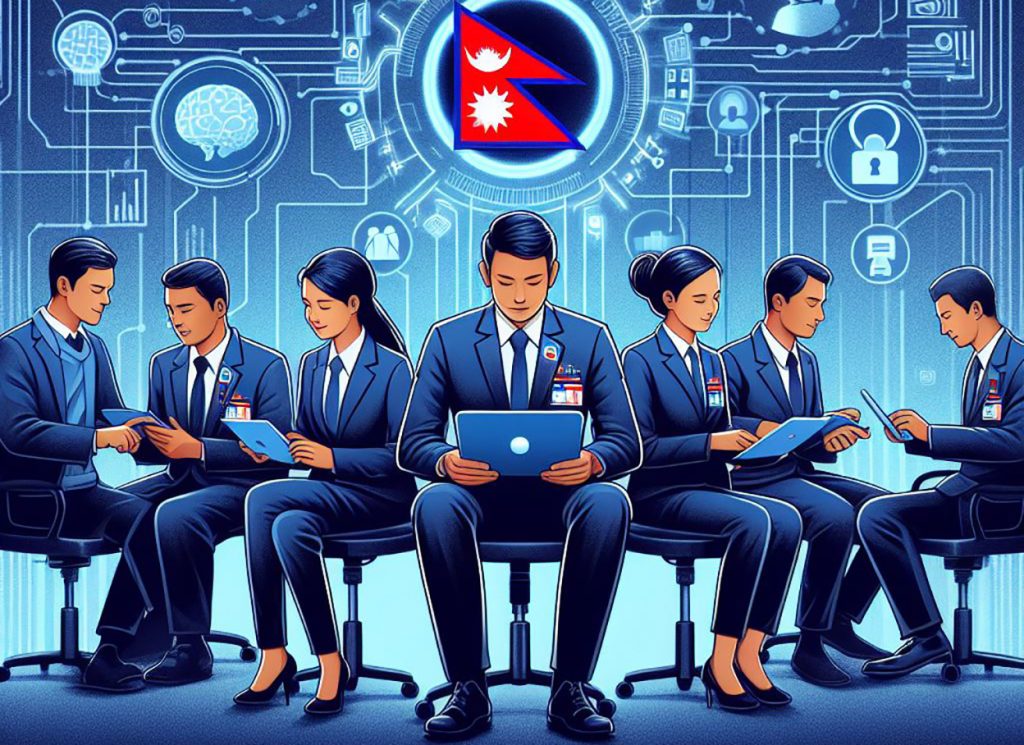
The National Cyber Security Centre is being established to eliminate the risk of cyber attacks on the digital systems of public and private organisations while providing services to the public.
Education is the foundation of a nation’s development. In Nepal, it is more important than ever to modernise education to keep pace with a fast-changing, technology-driven world. Today’s children are growing up in the digital age, and their future success will depend on how well our education system prepares them with the skills, knowledge, and opportunities needed for tomorrow.
The digital generation
Today’s children are growing up in a digital world. For many of them, a mobile phone is one of the first technologies they encounter, and screens have become a regular part of daily life. Unlike previous generations who mainly learned through classrooms, textbooks, and lectures, today’s learners are exposed to technology from an early age. Tools such as Artificial Intelligence (AI), virtual reality, and interactive multimedia are changing how people explore, learn, and understand the world.
Education expert Sugata Mitra, known for his famous “Hole in the Wall” experiment, observed that “Children can learn to use computers on their own, regardless of who they are or where they come from.” This is especially relevant for Nepal’s young generation. Given the right opportunities and support, they are naturally curious, quick to adapt, and eager to use technology to learn, create, and grow.
Skills for the next decade
The jobs and opportunities of the future will require more than just reading and writing skills. Students need practical knowledge, technical skills, and the ability to solve real-world problems. Across the world, countries such as South Korea and Finland have introduced digital learning and vocational training into their education systems, helping young people prepare for a competitive global economy.
Nepal also needs a clear long-term vision for education and development. Along with modernising agriculture, making better use of water resources, and improving infrastructure, the country must invest in quality education at every level. Skills such as critical thinking, digital literacy, coding, creativity, and problem-solving are no longer optional. They are essential for success in the 21st century.
Programs like India’s Skill India initiative show how education can be linked directly to employment through practical, job-oriented training. Nepal can learn from such approaches to help students gain relevant skills and reduce the gap between education and labour market demands.
Personalised learning and the role of AI
The future of education lies in personalised learning, where students can learn at their own pace and explore subjects that match their interests and strengths. Around the world, schools are increasingly using videos, simulations, interactive tools, and digital technologies to make learning more engaging and effective.
Artificial Intelligence is accelerating this transformation. Schools and universities are increasingly using AI-powered tools to support teaching, personalise learning, and improve student outcomes. China is already using AI-powered platforms that adapt lessons to each student’s individual learning needs, helping them learn more effectively.
For Nepal, AI presents both opportunities and challenges. AI-based learning tools can help address teacher shortages, provide personalised support to students, and expand access to quality education, particularly in remote areas. However, successful adoption will require reliable infrastructure, internet connectivity, digital resources, and continuous teacher training. If implemented thoughtfully, AI can make learning more accessible, engaging, and effective for all students.
Personalised and lifelong learning
Countries like Singapore have embraced the concept of lifelong learning by encouraging people to continuously upgrade their knowledge and skills throughout their lives. This approach helps individuals remain relevant in a rapidly changing world.
Nepal can benefit from a similar model by promoting creativity, adaptability, critical thinking, and ethical values. Education should not end with graduation but continue as a lifelong journey of learning and growth. As UNESCO notes, “Education is not only about economic growth, but also about building responsible citizens.” This vision is vital for Nepal’s long-term social and economic development.
Nepal’s policy push
Recognising the growing importance of digital education, Nepal has begun adapting its education system through the School Education Sector Plan (2022–32). The plan incorporates digital skills into the curriculum and encourages local and provincial governments to provide computers, internet connectivity, smart boards, and teacher training. Similar efforts have been seen in India through initiatives under the Digital India program, which promotes smart classrooms, digital infrastructure, and online learning platforms.
Making digital literacy a national priority is an important step toward ensuring that every child has access to modern learning opportunities. However, turning policy into practice remains a major challenge. Many rural schools still lack reliable internet access, technological resources, and the infrastructure needed to support digital learning. At the same time, teachers require continuous professional development to integrate technology effectively into their classrooms.
To achieve inclusive and equitable digital education, Nepal must bridge the gap between urban and rural schools through sustained investment in infrastructure, teacher capacity building, and digital resources.
Challenges and opportunities
Despite progress in education, Nepal continues to face challenges such as political instability, unemployment, limited research opportunities, and gaps in governance. However, education remains one of the country’s most powerful tools for transformation and long-term development.
Many talented Nepali students pursue higher education and career opportunities abroad due to limited facilities and opportunities at home. Creating a supportive environment for research, innovation, entrepreneurship, and skills development can encourage young people to remain in Nepal and contribute to national progress.
As education philosopher John Dewey famously said, “Education is not preparation for life; education is life itself.” His words remind us that education must be practical, adaptable, and closely connected to the needs of society.
Conclusion
Nepal stands at a critical moment in its educational journey. As technology, AI, and digital innovation reshape the world, the country must ensure that its education system equips young people with the skills, knowledge, and mindset needed for the future. By investing in digital infrastructure, teacher development, lifelong learning, and innovation, Nepal can turn its youthful population into a national strength.