
File
When disaster strikes, the first questions are necessarily about survival: Who is missing? How many people have been affected? How many have been rescued? How many lives have been lost?
But once the immediate rescue operation begins to wind down, a different set of questions emerges—questions that are less visible but equally critical. Where will displaced families live? Will they have access to safe drinking water and healthcare? What happens to children whose schools have been destroyed? Can families recover their livelihoods? And, most importantly, can people rebuild their homes and communities in genuinely safe places?
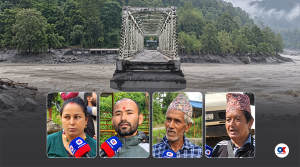
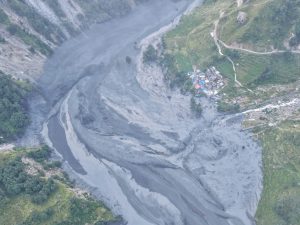
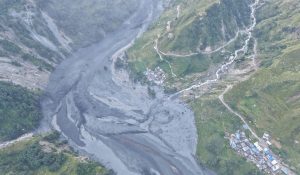
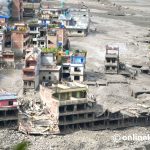
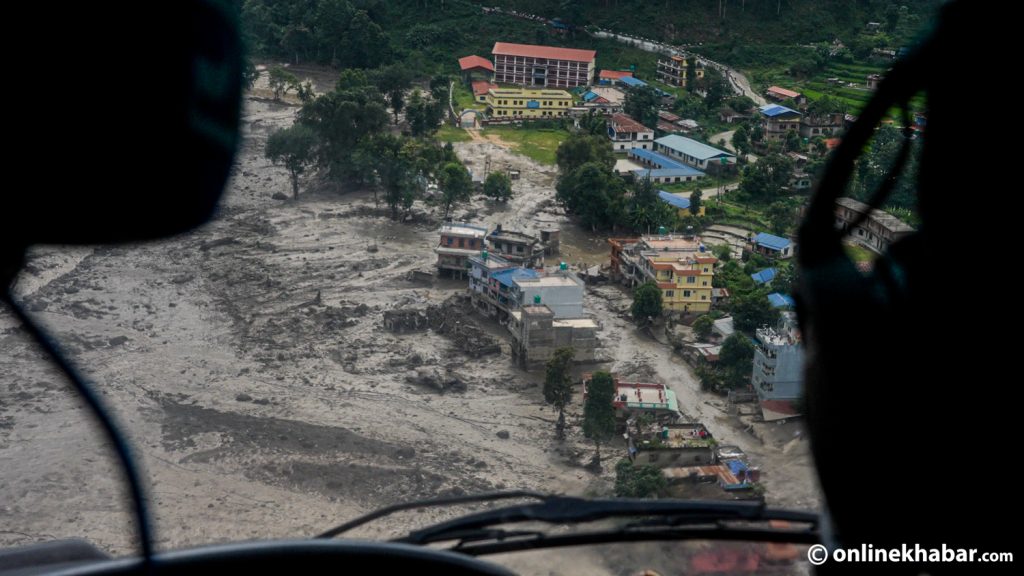
Following the catastrophic flash flood that struck Nepal’s northern central region on August 26, these questions are becoming increasingly urgent. The disaster tore through mountain settlements, displaced thousands and damaged the physical systems on which communities depend. For survivors, the crisis did not end when floodwaters receded.
The recovery ahead is likely to be long and complex. Rebuilding cannot simply mean clearing debris and replacing damaged buildings. It must address the social and economic vulnerabilities that existed before the disaster while ensuring that reconstruction does not reproduce the same risks. The task, therefore, is not merely to restore what was lost, but to create safer and more resilient communities.
A public health crisis beyond the debris
One of the most immediate challenges after a major flood is protecting public health. Floodwaters can contaminate drinking-water sources with mud, waste, sewage, dead animals, human remains and hazardous materials released from damaged infrastructure. If debris and contaminated materials are not managed properly, they can accumulate around residential areas and increase the risk of waterborne diseases such as cholera, dysentery and typhoid.
The problem extends beyond contaminated water. Large quantities of silt deposited across agricultural valleys also require systematic removal and management. Without proper clearance, the accumulated material can affect soil health and create longer-term environmental problems.
Sanitation is another urgent concern, particularly for women and girls living in temporary shelters or crowded displacement centres. Access to functional toilets, privacy, bathing facilities and menstrual hygiene products can become severely restricted after a disaster.
These are sometimes treated as secondary concerns during an emergency. They are not. Inadequate sanitation directly affects physical health, personal safety and psychological wellbeing. Recovery planning must therefore treat dignified sanitation as a basic necessity rather than an optional addition to emergency relief.
A health system under strain
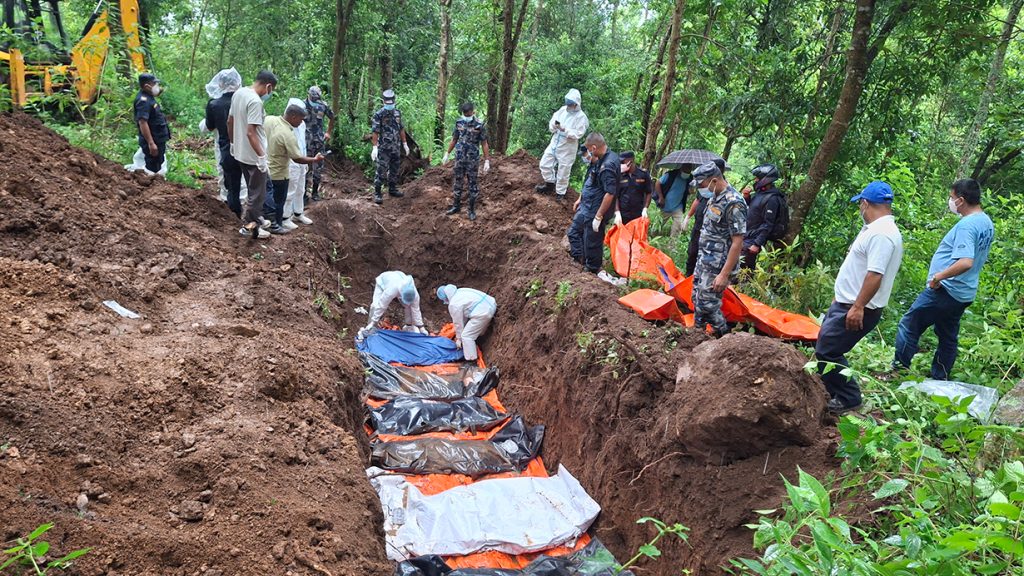
The damage to healthcare infrastructure creates another layer of vulnerability. The affected communities need more than temporary medical camps. People living with chronic illnesses may require uninterrupted access to medication and regular treatment. Pregnant women need prenatal care, emergency obstetric services and safe delivery facilities. Infants and older people can be particularly vulnerable to respiratory infections, cold temperatures and the difficult conditions of temporary shelters.
Temporary health camps can provide essential emergency assistance, but they cannot substitute for functioning district-level healthcare systems. The disruption also has a profound psychological dimension. Children who have lost parents, people who witnessed deaths and families waiting for information about missing relatives may experience prolonged trauma. For them, recovery cannot be measured only by the reconstruction of roads, bridges or buildings.
Mental health support must form part of the longer-term recovery process. Restoring permanent health facilities, reconnecting communities to healthcare services and ensuring access to psychological support will be essential if the disaster is not to develop into a secondary health crisis.
Where will survivors rebuild?
Perhaps the most difficult question facing displaced communities is where they will live permanently. Temporary shelters can provide immediate protection, but they do not resolve the question of long-term resettlement. In areas exposed to floods and landslides, simply rebuilding houses where they previously stood may expose families to the same dangers again.
Any relocation effort therefore needs to examine whether proposed settlement areas are vulnerable to changing river channels, unstable slopes, landslides or other hazards. The availability of roads, drinking water and basic civic infrastructure must also be considered.
Long-term reconstruction needs to incorporate disaster-risk reduction into physical planning. High-risk riverbeds and active floodplains should not simply be rebuilt without assessing the hazards. Buildings may need stronger foundations and designs that can better withstand high-velocity water and unstable slopes.
Infrastructure itself must also become more resilient. Decentralised systems for communication, water supply and sanitation can provide alternatives when central infrastructure fails during another emergency. The distinction is important: restoring physical access is not necessarily the same as restoring human safety.
The people most at risk
Disasters do not affect everyone equally. Women, children, older people, persons with disabilities, displaced families, daily wage workers and low-income households can face heightened risks following sudden displacement. These may include family separation, unsafe shelter conditions, gender-based violence, labour exploitation, human trafficking and exclusion from relief distributions.
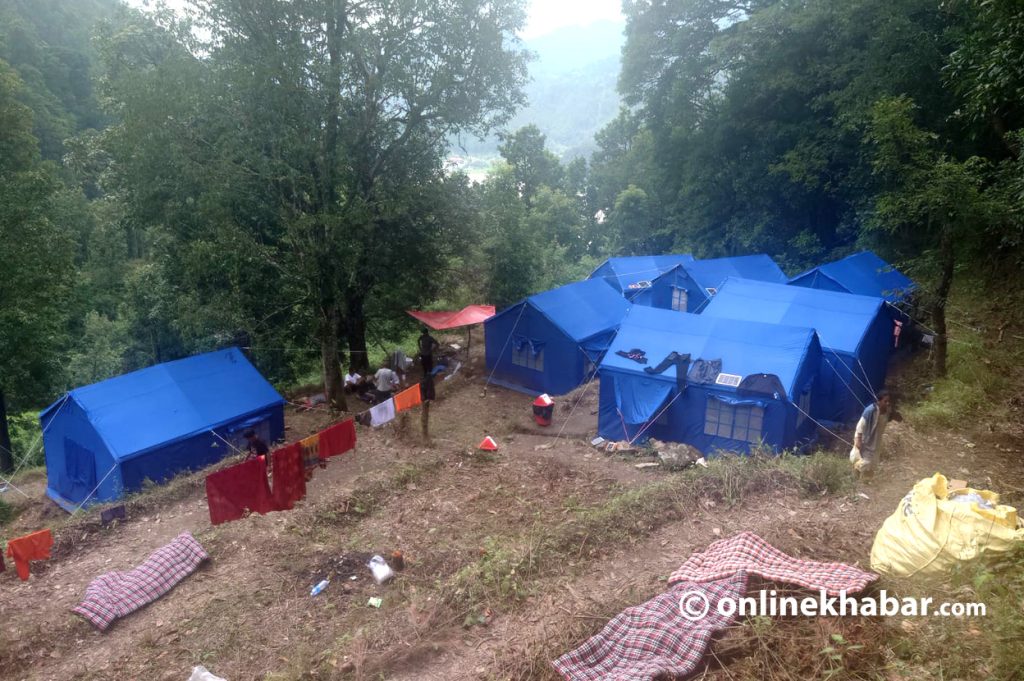
The design of temporary and transitional shelters can play a significant role in preventing such risks. Safe facilities require adequate lighting, separate and secure sleeping arrangements, lockable gender-segregated toilets and accessible bathing facilities. Seasonal conditions make the challenge even more urgent. With winter approaching in the high-altitude areas of northern central Nepal, temporary shelters need to be adapted to colder conditions through insulation, appropriate heating arrangements and the distribution of warm clothing and blankets.
But physical shelter alone is not enough. Survivors also need a clear understanding of what happens next. They need transparent timelines and identifiable institutional mechanisms for moving from emergency tents to transitional or permanent housing. The central question should remain: Are survivors being moved to genuinely safe places, or are they simply being transferred from one unsafe environment to another?
Women’s losses and invisible burdens

The economic impact of disasters on women is often less visible in conventional assessments. Women may lose livelihoods while simultaneously taking on greater responsibilities at home. After a disaster, they may spend more time cooking, collecting water, caring for children, looking after injured relatives and supporting older family members.
Many women also work in informal employment, small-scale agriculture or unpaid care work. Because they may not formally own land or other assets, their losses can remain poorly documented. Recovery programmes therefore need to ensure that women can directly access cash assistance, livelihood support and replacement documentation. Their participation in community relocation and recovery committees is equally important.
For displaced families, the loss of documents can create another obstacle. Citizenship certificates, land deeds and other forms of identification can be essential for accessing compensation, services and legal claims. Replacing these documents must be simple, accessible and fast. Accurate records of people living in temporary shelters are also important. Registration can support family tracing and reunification while helping authorities protect separated children and vulnerable individuals from trafficking and exploitation.
Children need schools, not just classrooms
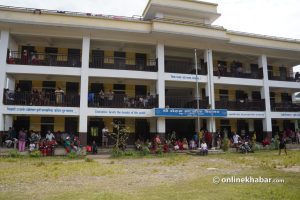
The consequences of the flood extend deeply into education. Schools have been destroyed or damaged, while surviving school buildings may be used as emergency holding centres or temporary medical facilities. This can keep children away from formal education at a time when they are already coping with displacement, trauma and, in some cases, the loss of family members.
Returning children to school is therefore about much more than continuing lessons. A classroom can restore routine and a sense of normality when almost everything around a child has become uncertain. Temporary learning centres can provide an immediate bridge until permanent schools are rebuilt.
These spaces can also serve as platforms for psychosocial support. Teachers, working with trained caseworkers and mental health professionals, can help identify children showing signs of severe anxiety, trauma or behavioural changes and refer them for specialised care.
Structured play, creative activities and psychological first aid can help children process traumatic experiences and rebuild a sense of safety. Yet there is a further risk: some children may never return to school. Girls, children with disabilities and children from historically marginalised communities may face additional barriers even after schools reopen. Recovery planning must therefore include targeted educational support and active community outreach to prevent disaster-related displacement from becoming permanent educational exclusion.
Rebuilding livelihoods
For affected families, rebuilding a home without rebuilding a livelihood will not constitute genuine recovery. The floods have destroyed or disrupted the productive assets on which local communities depend. Livestock have been lost, seed stocks destroyed, agricultural tools washed away, stored grain ruined, and irrigation systems damaged.
Farmers are not the only ones affected. Micro-traders, tourism workers, transport operators and daily wage earners may also have lost their primary sources of income almost overnight. Emergency food assistance can prevent immediate hunger, but long-term recovery requires people to regain the ability to earn.
Agricultural recovery may require seeds, organic fertilisers, livestock feed and other essential inputs. At the same time, local markets need to be restored so that farmers, traders and service providers can begin earning again. This is where recovery policy needs to move beyond traditional relief models.
Unconditional cash assistance can give households greater control over their own recovery priorities while allowing money to circulate through local markets. Rather than assuming that every family has identical needs, cash support enables survivors to decide what matters most for their household.
Reconstruction itself can also become a source of employment. As roads, bridges and other critical infrastructure are repaired, displaced local workers can be employed in reconstruction projects. This can provide immediate income while allowing communities to participate directly in rebuilding their own surroundings.
From recovery to resilience
Nepal’s challenge after the flood is therefore much larger than reconstructing damaged infrastructure. The real test will be whether recovery can reduce the vulnerabilities that made communities more exposed in the first place.
A successful recovery will require resilient infrastructure, safe resettlement, functioning healthcare, restored education, protection for vulnerable groups and the revival of local livelihoods. It will also require women and marginalised communities to have a meaningful role in decisions that determine where and how their communities are rebuilt.
The temptation after a disaster is to restore what existed before as quickly as possible. But returning to the previous situation may simply recreate the same vulnerabilities. For the survivors of the August 26 flood, recovery must mean more than returning home. It must mean returning to safety, dignity, opportunity and a functioning community.
The flood may have destroyed houses, roads, schools, livelihoods and essential services. But the reconstruction that follows can determine whether those losses remain a source of long-term vulnerability or become the starting point for a safer future. Nepal now has an opportunity to make recovery more than reconstruction—to rebuild communities with greater resilience, stronger local systems, and a clearer commitment to inclusion.
The crisis after the flood is only beginning. How Nepal responds to that second crisis will determine what the future looks like for the people who survived the first.