

Kathmandu, November 3
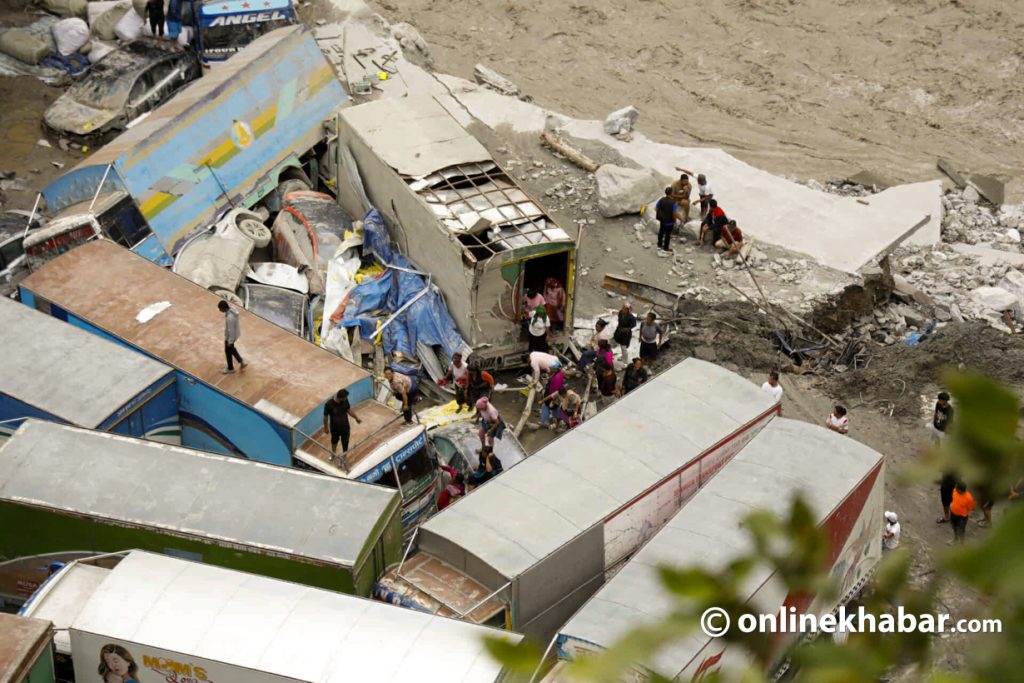
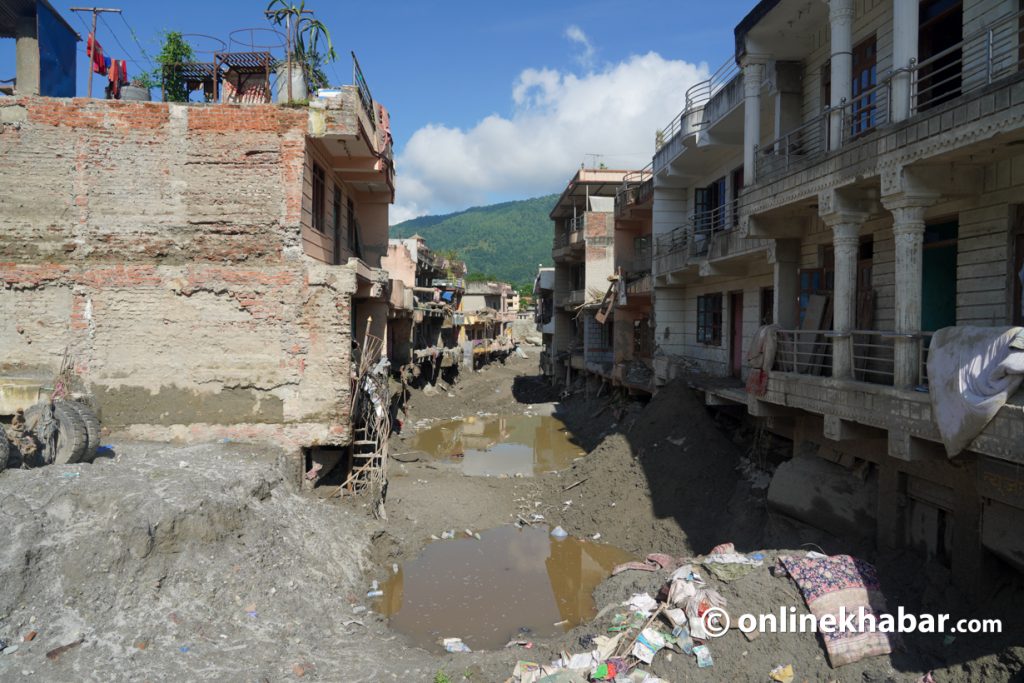
The government says it is implementing an action plan worth Rs 739.99 million to protect women, children, adolescent girls and other vulnerable groups affected by the disaster in the Bhotekoshi and Kaligandaki corridors.
Krishna Bahadur Raut, secretary at the Ministry of Women, Children, Gender and Sexual Minorities and Social Security, said the plan is being carried out through various working groups for immediate rescue, protection and rehabilitation after the disaster.
Speaking at a meeting of the Parliamentary Special Committee on the Study and Monitoring of the Bhotekoshi and Kaligandaki Corridor Disasters at Singha Durbar on Tuesday, he said the plan was prepared based on the severity of the disaster, its impact on affected communities and the immediate response needed.
According to him, the Disaster Risk Reduction and Management Authority took charge of coordinating all clusters and collecting information. The Ministry of Home Affairs led the search and rescue cluster. Representatives of the ministry took part in regular coordination meetings and supported decisions and their implementation.
Secretary Raut said a detailed response plan, to be completed within three months, was approved on August 27. It covers child protection, prevention of gender-based violence and psychosocial support. He said the plan includes nine activities on child protection, 20 on gender-based violence and 13 on psychosocial support. Under child protection, it provides for identifying children’s needs, setting up child-friendly spaces and distributing baby packs, among other support.
He added that the Camp Coordination and Shelter Cluster was mobilised to manage temporary holding centres and shelters. The Early Recovery Cluster was mobilised to carry forward rehabilitation work.
Secretary Raut said children who lost both parents, were separated from their guardians or lost one parent in the disaster have been identified, and protection work is moving ahead in line with the law. He said the ministry coordinated with local child welfare officers, local child rights committees and the National Child Rights Council for this.
Given the risk of trafficking of women and adolescent girls and other violence during disasters, he said, special monitoring has also been stepped up in coordination with Nepal Police. Checkpoints were set up at 15 locations in the affected areas, with plainclothes police deployed. Public awareness materials were also produced in several local languages and broadcast through local FM radio stations.
According to Secretary Raut, the Protection Cluster has held seven meetings since August 26. The Authority had developed a reporting system to consolidate the work of government and non-government agencies in the affected areas, and all organisations were asked to update their activities regularly. He said this has helped avoid duplication of aid in the same area and ensured services reach communities in real need.
Ten women-friendly spaces were set up in the affected areas for the safety and protection of women and adolescent girls. Secretary Raut said ministry data show that 2,910 women and 757 adolescent girls received services there.
Pregnant women, breastfeeding mothers and persons with disabilities also received services at these spaces. He said dignity kits and adolescent girls’ kits were distributed for the immediate protection and personal hygiene of affected women and girls, along with baby packs for infants and young children.