
Right now in Nepal, as the clock strikes either 11 am or 4 pm, thousands of people get excited about the same thing, watching the Nepal Premier League. Cricket, over the past few years, has gained immense popularity among Nepalis as the national team has achieved major milestones, such as playing in the World Cup and retaining ODI status. The cricket fraternity of Nepal has accomplished feats that other sports communities in the country still dream of.
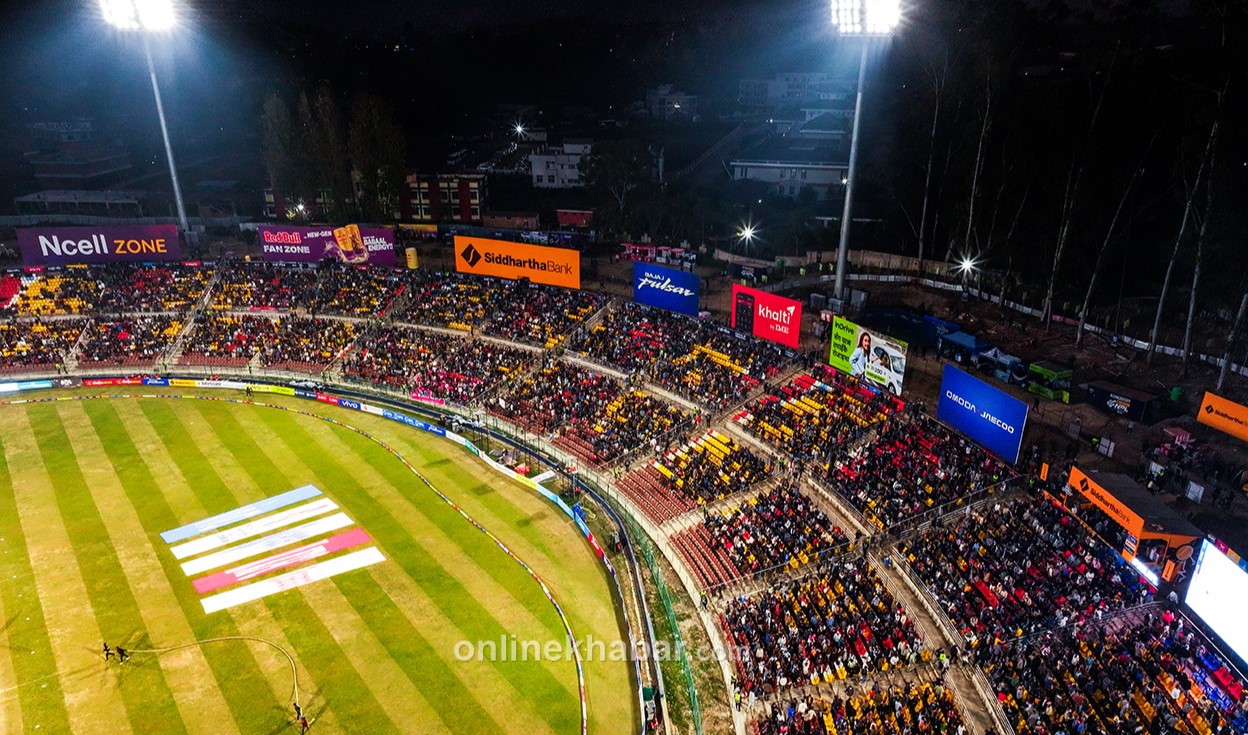
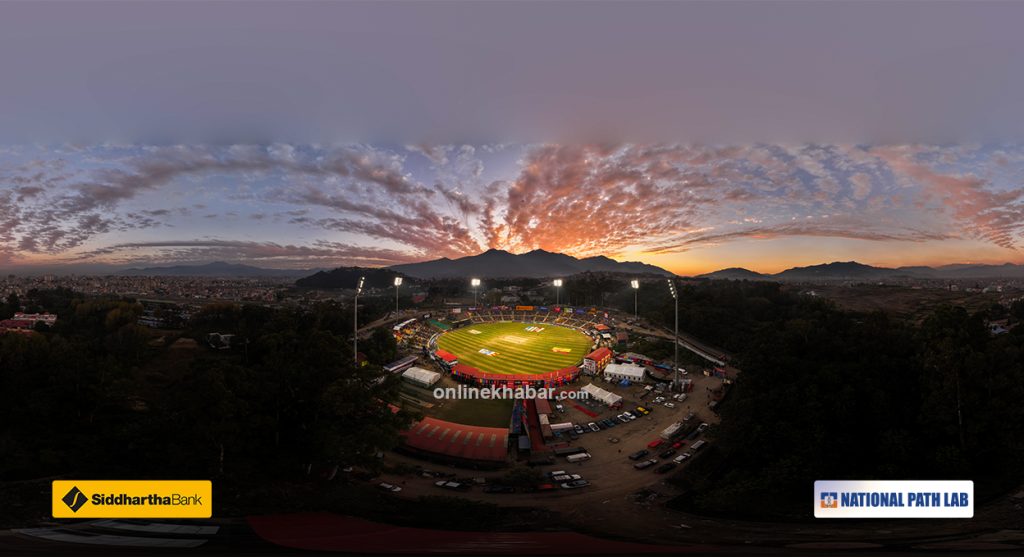
The second edition of the NPL features matches under floodlights and allows spectators to watch from the parapet, both happening for the first time in Nepal’s cricketing history, marking yet another milestone.
In a country currently experiencing intense political tension, cricket has, to some extent, created an environment where people can share moments of happiness.
While this league continues to draw attention from thousands around the world, its significance for Nepal’s cricket fraternity, along with its challenges and future, remains an important topic of discussion.
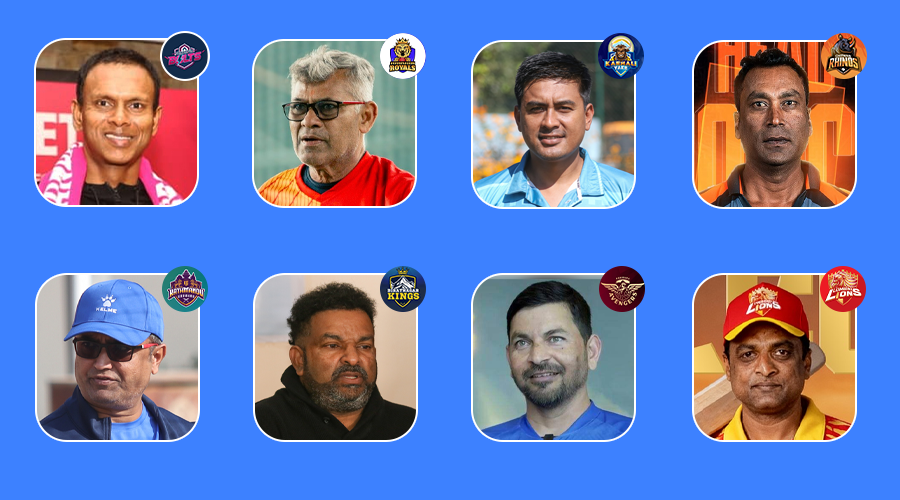
Former captain of Nepal’s national cricket team, Gyanendra Malla, says that such leagues would first strengthen the status of the Cricket Association of Nepal (CAN), the cricket governing body of Nepal.
“Once CAN becomes strong, a lot of positive changes will automatically occur in the cricket fraternity,” says Malla, who is also the coach of Karnali Yaks, one of the NPL franchise teams.
He further adds that such a league will open avenues to international leagues for Nepali cricketers in the coming days.
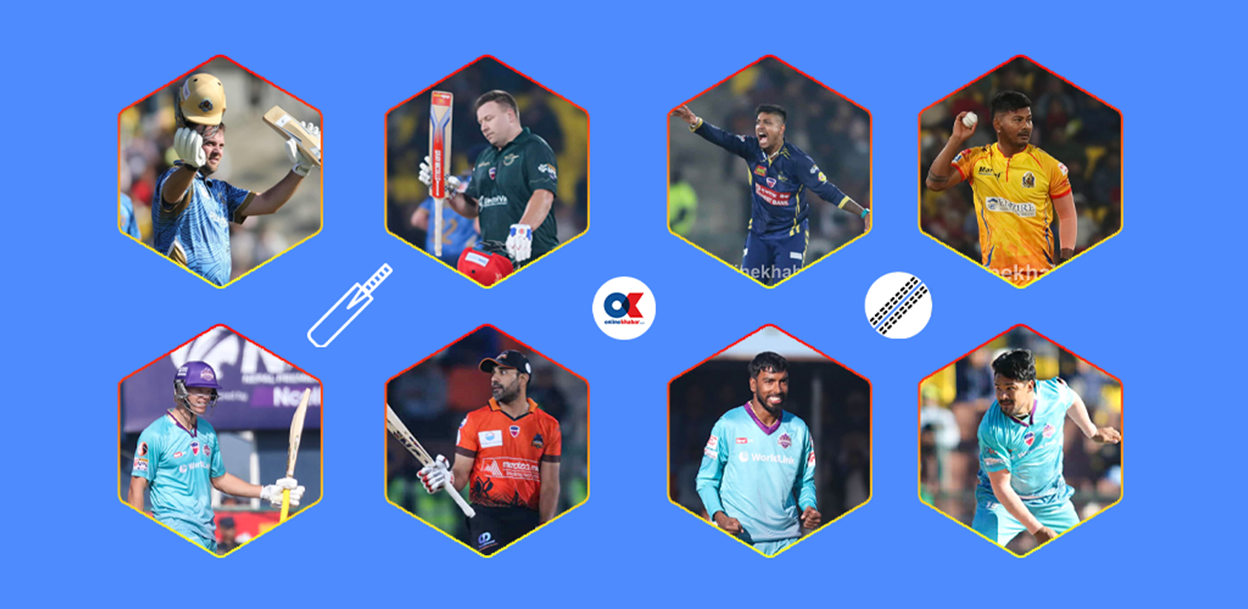
Each team in the NPL includes eight foreign players. In the first edition of the NPL, Nepali players had the opportunity to play with or against big names such as Shikhar Dhawan, Martin Guptill, Ravi Bopara, and James Neesham. Similarly, big names in the second edition include Jason Roy and Sohail Tanvir, Faf du Plessis and others.
“Gaining and sharing experiences with foreign coaches and cricketers will naturally help in the skill development of our players,” says Malla.
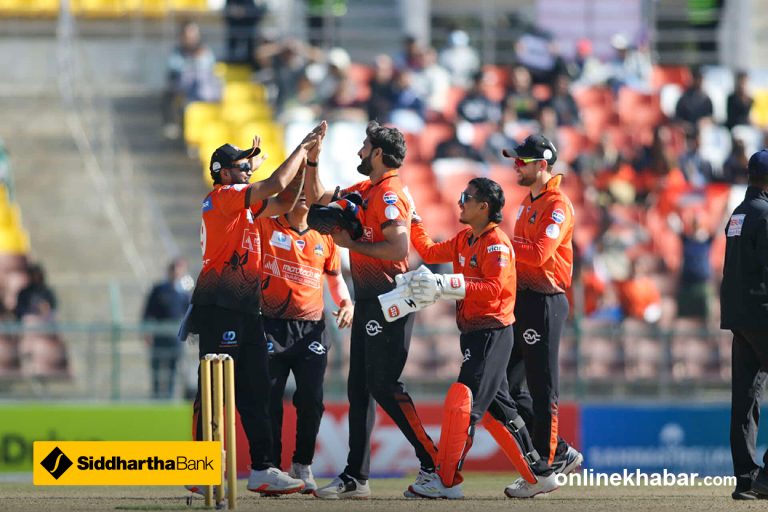
In the eight-decade-long cricketing history of Nepal, this is the first time that such a large franchise cricket league has been organised by CAN.
The NPL also held a talent hunt where each team opened a camp and selected the best players, one included in the main squad and others in the development squad, allowing them to train with the team.
“Exploring new domestic players from different parts of the country who could contribute to the future of Nepal’s national team is another significant step taken by the NPL,” says CAN spokesperson Chhumbi Lama.
Echoing Malla, Lama says that sharing the same dressing room and playing alongside players from various backgrounds will further enhance the skills of Nepali players.
Both Malla and Lama say that, in addition to skill development and making the cricket sector vibrant, leagues like the NPL also help boost tourism and Nepal’s economy.
National cricket player Gulshan Jha says that the NPL has become a great learning platform for domestic players.
“Besides the technical aspects, playing with players from different countries also helps mentally. It allows us to understand other players’ approaches to the game,” says Jha, who currently plays for Karnali Yaks.
According to CAN, on average, around 6,000 spectators watch the NPL live at the TU International Cricket Ground. On Saturdays, the tickets get sold out, meaning 12,000 spectators watch the NPL live at the TU International Cricket Ground. Ticket prices range from Rs 500 to 2,000. Reportedly, the first edition of the NPL was viewed live by around 130,000 to 135,000 spectators.
While the league is getting “bigger and better,” it also faces challenges.
According to the concerned authorities, the first and biggest challenge in hosting the NPL is infrastructure.
“Although we now have floodlights and well-managed parapets, we still need better infrastructure,” Lama says. “Seeing the growth of Nepali cricket, I am hopeful that we will get good infrastructure very soon.”
For the improvement of the league in the future, Malla suggests that the next edition be held in better weather conditions.
“In the present weather, the pitch condition is not as good as it should be,” he says. “Better pitch conditions would make the matches even more interesting.”
He adds that the league would reach another level if it received full sanction from the ICC.