Kathmandu, August 21
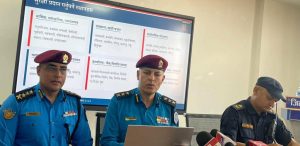
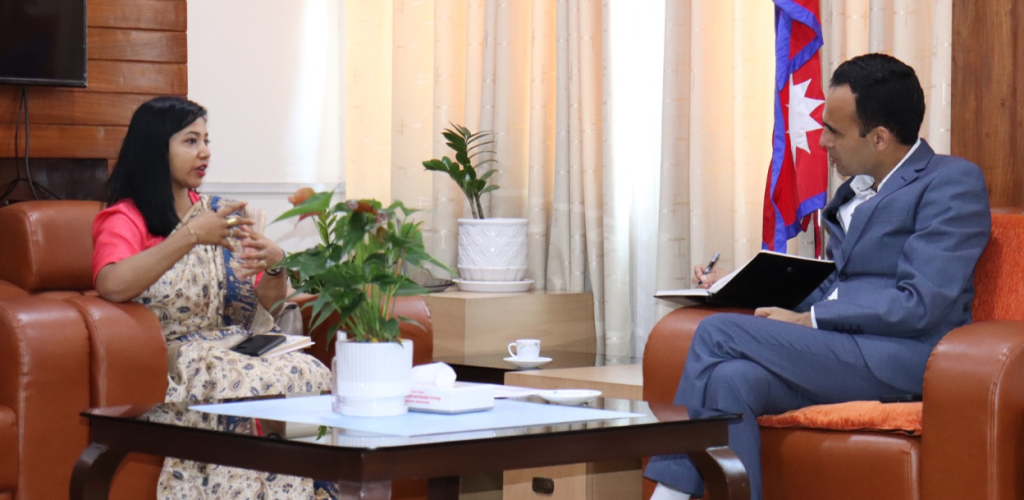
Nuwakot-1 lawmaker and Information and Communications Minister Dr Bikram Timilsina has discussed problems at the Bancharedanda landfill site, complaints from local residents and ongoing waste management efforts with Kathmandu Metropolitan City acting mayor Sunita Dangol.
During the meeting held at the Ministry of Communications, Timilsina said the federal government and Kathmandu Metropolitan City should allocate the necessary budget to upgrade and blacktop the road leading to the Bancharedanda landfill site.
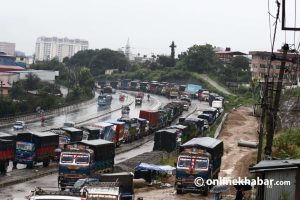
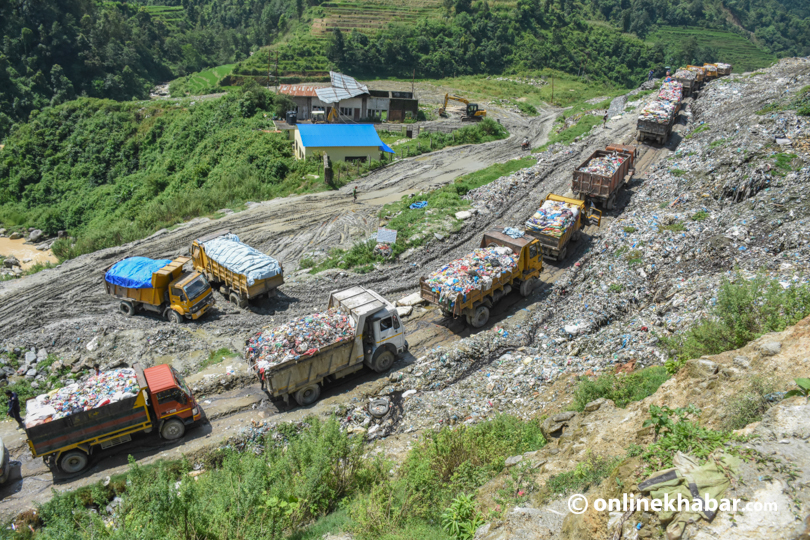
Local residents in the Bancharedanda area have long complained about the poor condition of the road leading to the landfill, foul odours from the waste, uncovered waste-carrying vehicles, garbage falling from vehicles onto the road and vehicles returning to the Kathmandu Valley without being properly cleaned after dumping waste.
Residents have also complained that waste is not being adequately covered with soil after disposal at the landfill.
Timilsina held discussions with the acting mayor after receiving numerous complaints from residents in his constituency.
“I have received many complaints that locals are suffering because roads in some areas have not been blacktopped. People living around the road leading to the waste disposal site are genuinely suffering. There are complaints about foul odours and an increase in various infections,” he said.
He stressed the need for effective coordination among the federal, provincial and local governments to address problems at Banchare Danda.
Timilsina also said proper and timely soil capping of disposed waste was essential to control the spread of foul odours.
During the meeting, acting mayor Dangol said that although waste from Kathmandu Metropolitan City and other local governments in the valley is also transported to Banchare Danda, Kathmandu Metropolitan City has been bearing most of the financial burden of waste management.
“All municipalities had committed to sharing the cost of waste management. However, most of the expenses so far have been borne by Kathmandu Metropolitan City alone,” Dangol said. “If other municipalities also contribute financially, it will be easier to address the problems faced by local residents.”
Dangol said the metropolitan city has also been unable to acquire the land required for waste collection points and facilities to separate biodegradable and non-biodegradable waste.
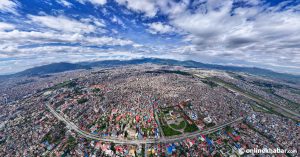
The metropolitan city has adopted a decentralised waste management model and divided the city into seven waste clusters. It plans to promote the reuse and recycling of dry waste, but implementation has been delayed due to difficulties in acquiring the required land and completing other procedures, she said.
Although waste from 20 other local governments, in addition to Kathmandu Metropolitan City, is also transported to Banchare Danda, those local governments have not yet been effectively involved in sharing responsibility for waste management.
At present, Kathmandu Metropolitan City bears the primary operational, management and financial burden of the Banchare Danda landfill site.
The meeting also discussed long-term measures to improve waste management, including reducing the amount of waste reaching the landfill, segregating waste at source, and improving waste collection and transportation systems.
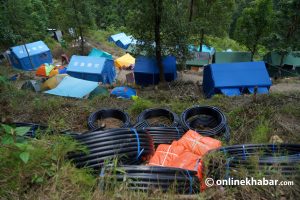
The Banchare Danda landfill site was constructed after the government acquired 1,792 ropanis of land. Waste disposal at the site began on May 24, 2022.
The landfill site is located along the border of Kakani Rural Municipality-2 in Nuwakot and Dhunibesi Municipality-1 in Dhading.