Kathmandu, August 4
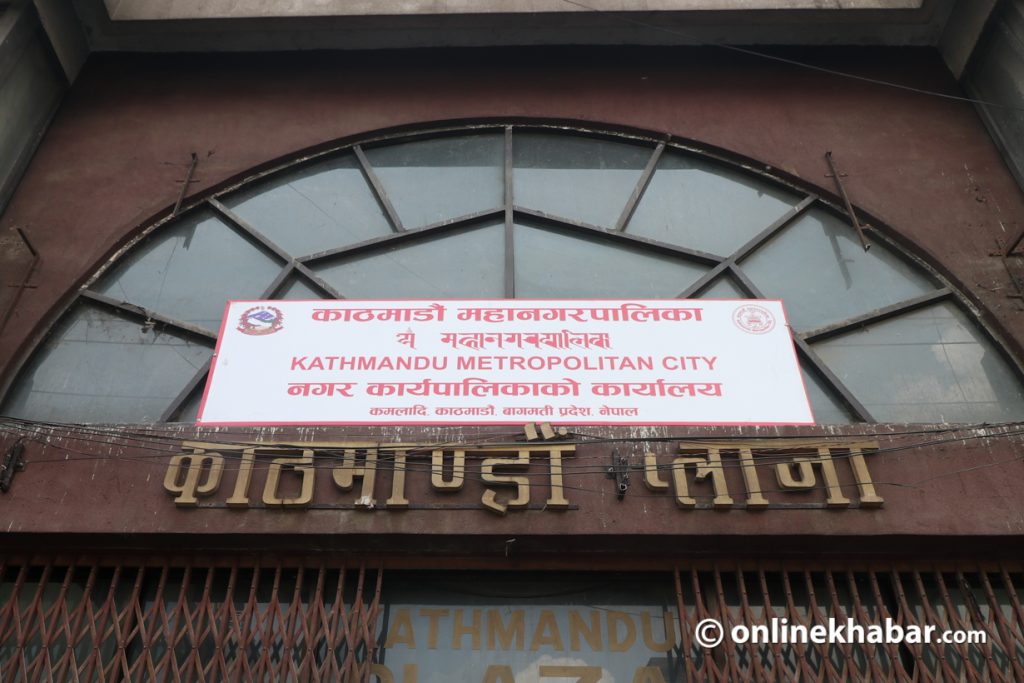
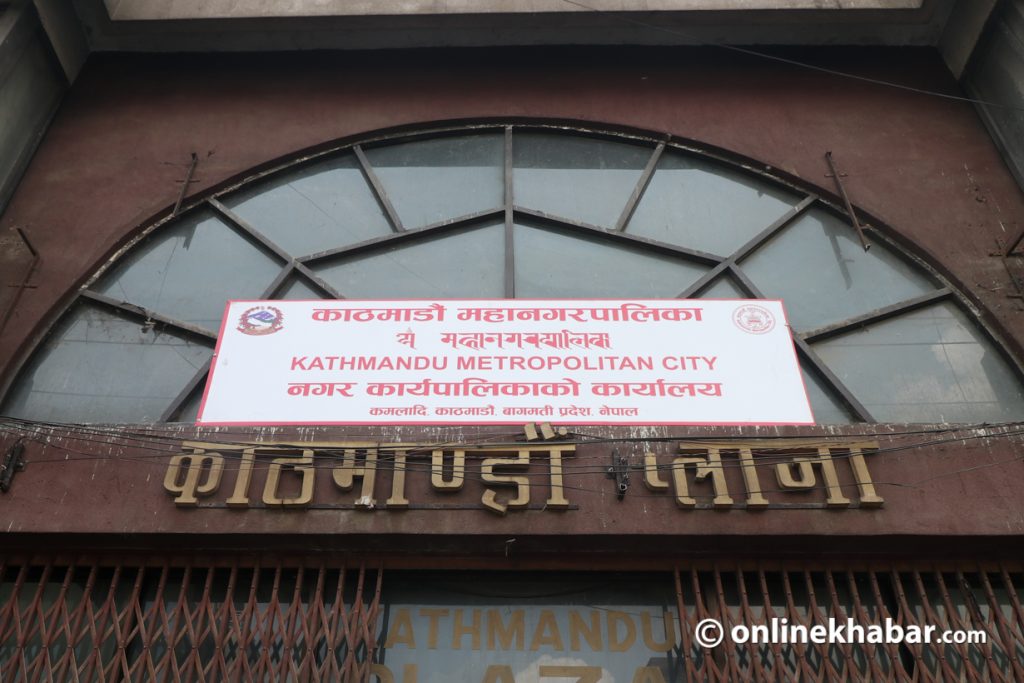
The Kathmandu Metropolitan City (KMC) is preparing to restart the long-idled waste-to-energy project in Teku following a new agreement aimed at restoring and ensuring its long-term operation. KMC and the Alternative Energy Promotion Centre (AEPC) signed a memorandum of understanding (MoU) to rehabilitate and sustainably operate the project.
The MoU was signed by KMC Chief Administrative Officer Saroj Guragain and AEPC Executive Director Navaraj Dhakal. Under the agreement, the project is targeted to resume operations within the next two months. AEPC said the funds required for rehabilitation will be arranged through the Mini-Grid Energy Access Programme, which is being implemented with support from the World Bank.
The agreement follows a recent meeting between Minister for Energy, Water Resources and Irrigation Biraj Bhakta Shrestha and Acting Kathmandu Mayor Sunita Dangol, during which they discussed bringing the project into operation within the current fiscal year, as well as the management and maintenance of Kathmandu’s street lighting system.
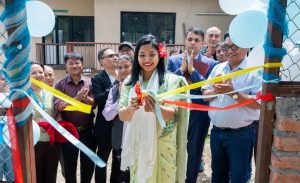
Speaking at the signing ceremony, Acting Mayor Dangol expressed confidence that the rehabilitation work would be completed on schedule and said cooperation between KMC and AEPC on similar projects would continue in the future.
AEPC Executive Director Dhakal said preparations for restarting the project are progressing as planned and that the required budget has been secured through World Bank assistance. He added that cooperation with KMC on renewable energy initiatives, including waste-to-energy projects, would continue. The MoU clearly defines the roles and responsibilities of both parties regarding the reconstruction, operation, transfer and long-term management of the project.
The waste-to-energy facility was built with approximately Rs18 million in financial assistance from the European Union. It operated for a short period before being shut down. According to AEPC, since 2014 it has supported municipal waste-to-energy projects and large commercial biogas plants through the Renewable Energy Expansion Programme – Extended Biogas Project, with financial support from the World Bank. The programme is now being implemented under the Mini-Grid Energy Access Programme.
So far, waste-to-energy projects have been implemented in seven municipalities under the programme, while more than 20 large commercial biogas projects have received support. AEPC said it has completed feasibility studies for municipal waste-to-energy and commercial biogas projects across the country. The Centre also said a US$48 million project proposal has been submitted to the Ministry of Finance for approval for onward submission to the Green Climate Fund. In addition, work is underway to develop carbon projects based on waste-to-energy under Article 6.2 of the Paris Agreement.
AEPC has also invited expressions of interest for the construction of small, medium and large biogas plants to promote energy production from institutional, community and commercial organic waste. Such projects are expected to improve the management of biodegradable waste in urban areas, including the Kathmandu Valley, while supporting the circular economy through the production of biogas and organic fertiliser.