
Kathmandu, December 2
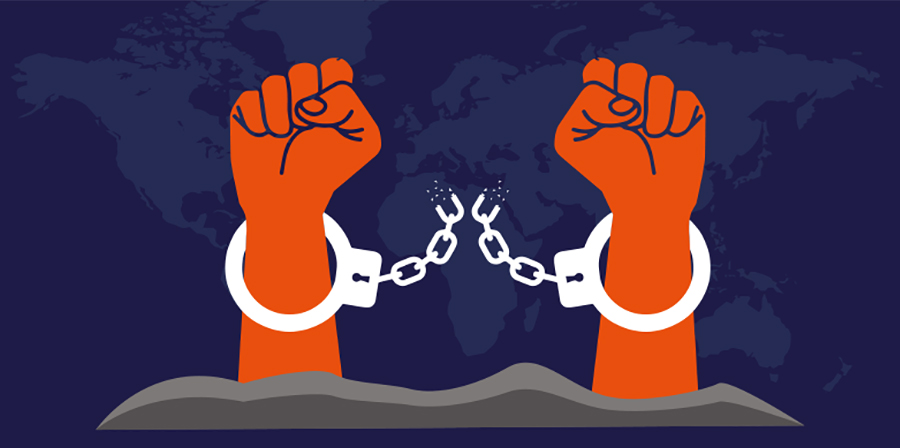
The International Day for the Abolition of Slavery is being observed worldwide today. The United Nations General Assembly designated this day after adopting, on 2 December 1949, the Convention for the Suppression of the Traffic in Persons and of the Exploitation of the Prostitution of Others (Resolution 317(IV)).
Each year, the day is marked to raise global awareness against slavery and human trafficking. The purpose of this day is not only to recall historical forms of slavery but also to draw attention to today’s widespread “modern forms of slavery,” which include human trafficking, forced labour, sexual exploitation, child labour, forced marriage and the recruitment of child soldiers.
It is estimated that around 50 million people across the globe are trapped in modern slavery, many of them subjected to forced labour or other forms of coercive exploitation. Women and children remain particularly vulnerable.
Perpetrators often exploit poverty, inequality, discrimination, displacement, and lack of protection to target vulnerable groups including women, children, indigenous communities, minorities, and migrant workers. In this context, the International Labour Organization (ILO) and various UN bodies have repeatedly emphasized the need for collective action to end modern slavery, ensure justice and rehabilitation for victims, and strengthen legal frameworks and awareness to prevent exploitation.
In Nepal too, various events are being held today, calling for stronger cooperation among the government, civil society and communities to combat all forms of slavery and human trafficking. As modern-day exploitation continues to affect many, the need for awareness, justice, social inclusion and human rights protection has become ever more urgent.
This day is not only a reminder but also an opportunity to commit to concrete action in support of those who remain the most vulnerable and exploited.