Kathmandu, March 4
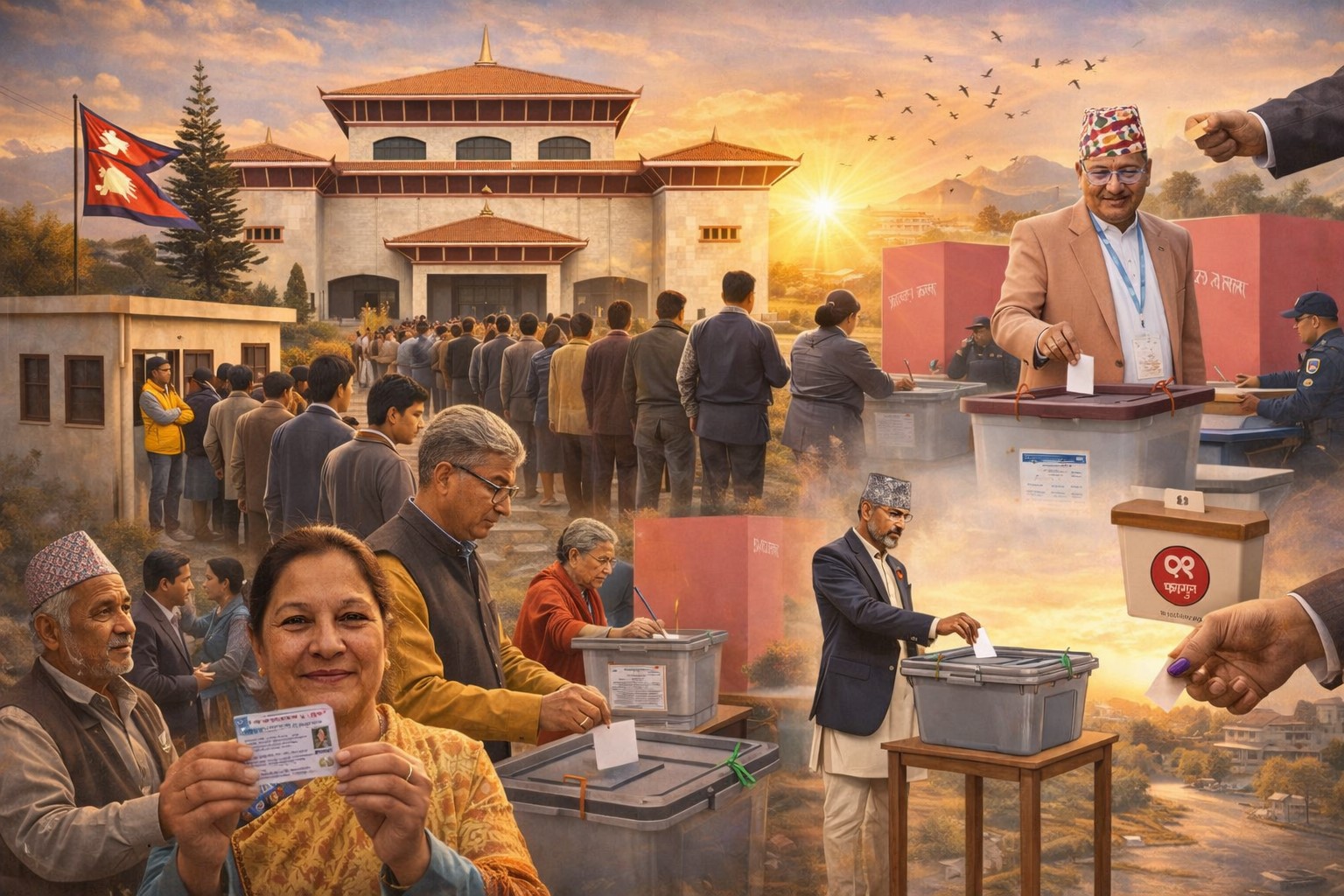
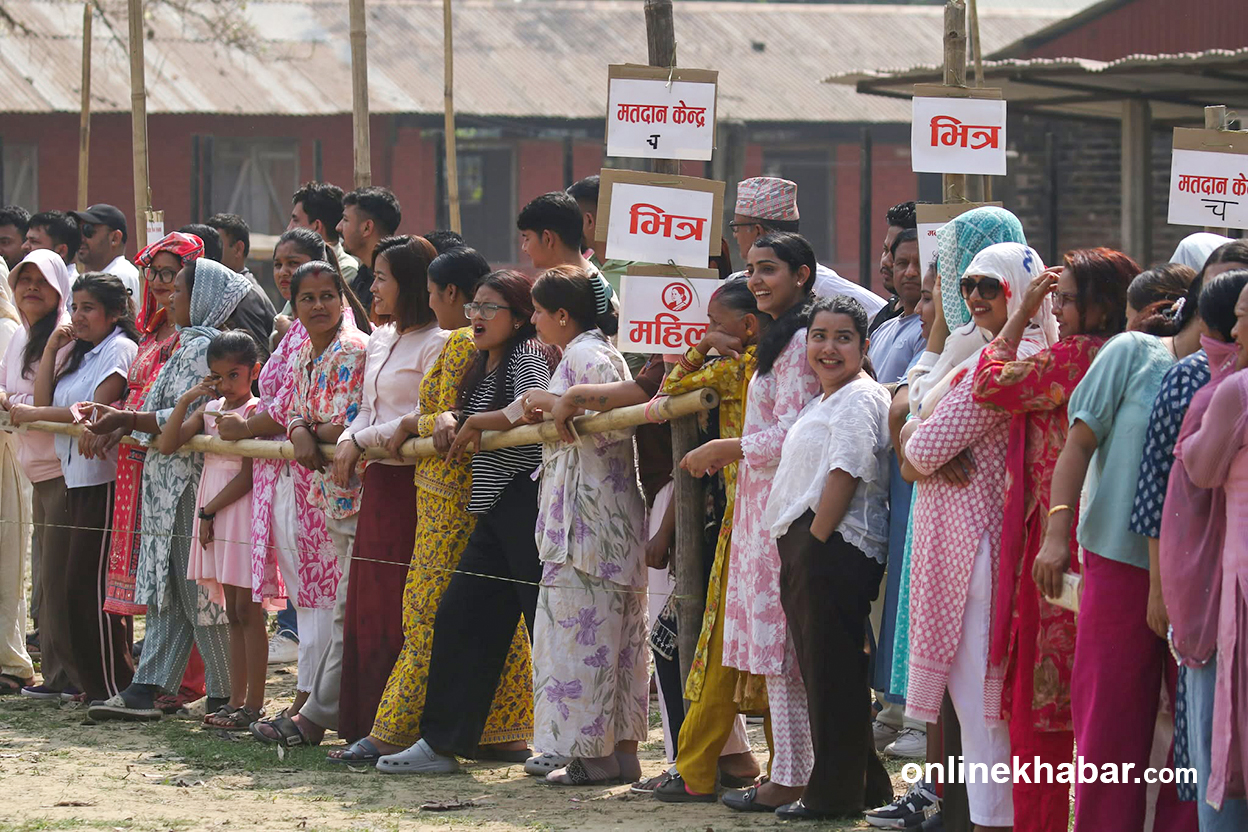
As the House of Representatives elections take place on Thursday, hundreds of thousands of people have returned to their villages to cast their votes.
This general election comes in the wake of the Gen Z protests held on September 8 and 9, which played a significant role in shaping the current political landscape. While many voters have participated in previous elections, a large number will be voting for the first time.
The total number of voters in this election has reached 19,005,324. In comparison, the 2022 House of Representatives election had 17,988,570 registered voters.
This time, 1,016,754 additional voters have been added to the electoral roll, pushing the total past 19 million. More than one million newly registered voters are expected to cast their ballots for the first time in a House of Representatives election.
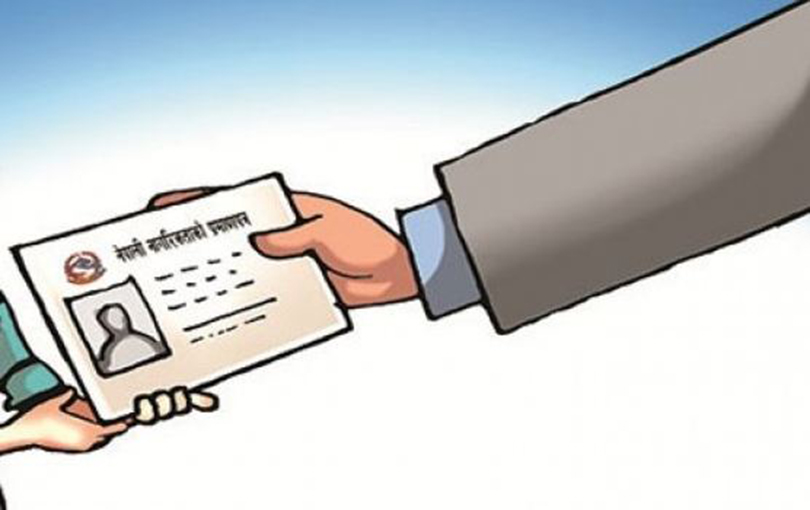
Unlike previous elections, voter ID cards have not been issued to newly registered voters. The government has only completed name registration for them. However, voters without a voter ID card can still cast their ballots by presenting alternative identification documents.
Accepted documents include
- Citizenship
- Passport
- Driving license
- National Identity Card (NID)
- Land ownership certificate.