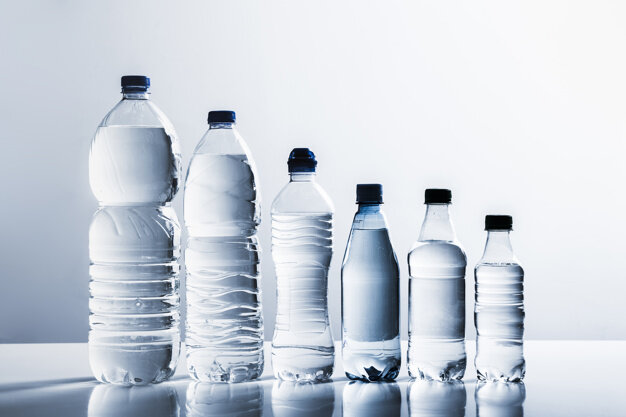
On February 3, 2026, a very disturbing incident happened in Imadol, Lalitpur. A 60-year-old woman accidentally drank acid after thinking it was water. The acid had been stored and sold in a bottle that looked exactly like a normal mineral water bottle. What looked like simple drinking water almost took her life. I was an eyewitness to this incident. She was rushed to the Hospital, where doctors treated her immediately and saved her life. Thankfully, she survived. However, this incident should not be ignored. It was not merely an accident but something that could have been prevented.
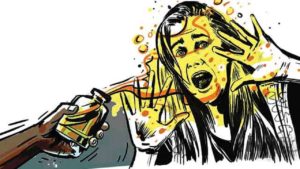
Sadly, this is not the first such incident in Nepal, as in March 2021 three children, a 16-year-old girl, an 11-year-old boy, and a 9-year-old boy, were severely injured in Sankhu, Kathmandu, after acid stored in a jar was accidentally thrown during a water-throwing festival when it was mistaken for water, causing innocent children to suffer due to careless storage.
These incidents show a serious problem in our system. Acid is commonly used in battery repair shops, small industries, workshops, and even in some households. Because it has practical uses, it is easily available in local markets at a low cost. The problem is not that acid exists, but how it is stored and sold. When such a dangerous chemical is kept in bottles that look like drinking water, confusion is bound to happen. In a country where people already worry about safe drinking water, selling acid in water-like bottles is extremely risky.
The physical damage caused by acid is severe and immediate. If swallowed, acid can burn the mouth, throat, and stomach within seconds. It can cause internal bleeding, organ damage, permanent scars, and long-term health complications. In many cases, victims may need surgeries, long hospital stays, and lifelong medical care. Some people lose the ability to eat or speak properly. Even if a person survives, their health may never fully return to normal. A single mistake can change someone’s body forever.
Beyond physical injury, the mental and emotional impact can be just as serious. A survivor may develop constant fear and anxiety. Simple daily actions, like drinking water, may trigger panic. Some people may experience nightmares, stress, or symptoms of trauma. They may lose confidence and feel unsafe in their own environment. Family members also suffer. They may experience guilt, shock, and long-term emotional distress. On top of this, there is financial stress from medical bills and treatment. These psychological wounds can last for years.
Around the world, unsafe storage of chemicals is a major cause of accidental poisoning, especially among children and elderly people. Studies show that proper labelling, child-proof containers, and strict rules greatly reduce such accidents. Nepal must treat chemical packaging as a public safety issue. This is not just a business matter; it is about protecting lives.
The Government of Nepal has taken steps to address acid-related crimes. Under the Muluki Criminal Code, acid attacks are punishable by law, carrying prison sentences and fines. Some rules require licenses and records for selling acid. However, punishment after harm is not enough. Prevention is more important. In many shops, acid can still be bought easily without proper labelling or safety instructions. Laws are only effective if they are properly enforced.
There must be a complete ban on selling acid in bottles that look like drinking water. Acid should only be sold in strong, non-transparent containers with clear danger signs and warning labels. The packaging should be child-proof and easily recognisable as hazardous. Shops that sell acid must be registered and inspected regularly. If they break the rules, strict action should be taken.
Local governments, ward offices, and consumer protection authorities must monitor chemical sales regularly. Market inspections should not focus only on food safety, but they should also give equal attention to dangerous chemicals. Traders must be trained to understand the risks and their responsibility in keeping customers safe.
Public awareness is equally important. People need to understand how dangerous acid is. It is not just another liquid. It can burn, destroy tissues, and permanently damage a person’s body within seconds. One small mistake can destroy someone’s health, mental well-being, financial stability, and overall quality of life.
A bottle that looks like water should never contain something that can ruin a life. When safety measures are simple and feasible, carelessness becomes unacceptable. One proper container, one clear label, and one strict inspection can save a life. Nepal should not wait for another tragedy to occur. Safety should never depend on luck. Prevention must be our priority.