Kathmandu, November 17
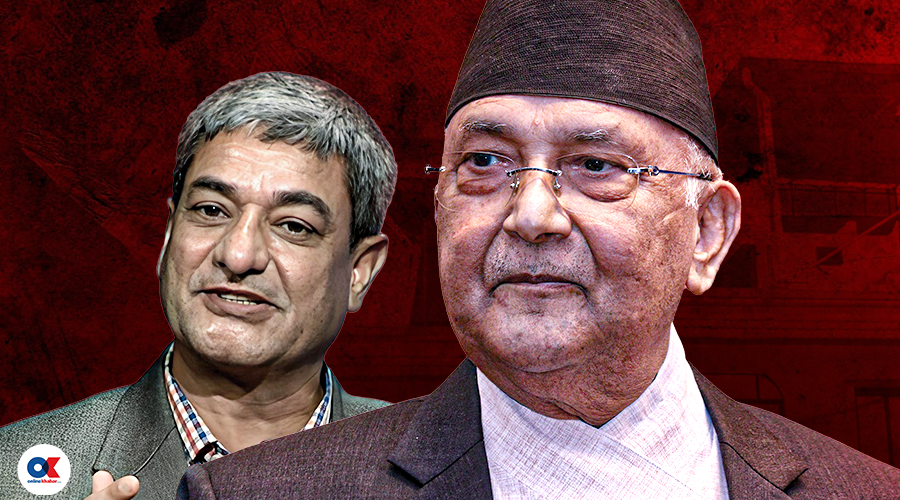
CPN-UML Chair KP Sharma Oli has claimed that the government he led was removed not through a democratic process but through force, arson and looting.
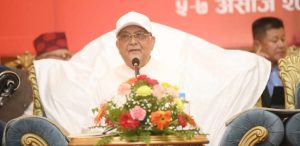
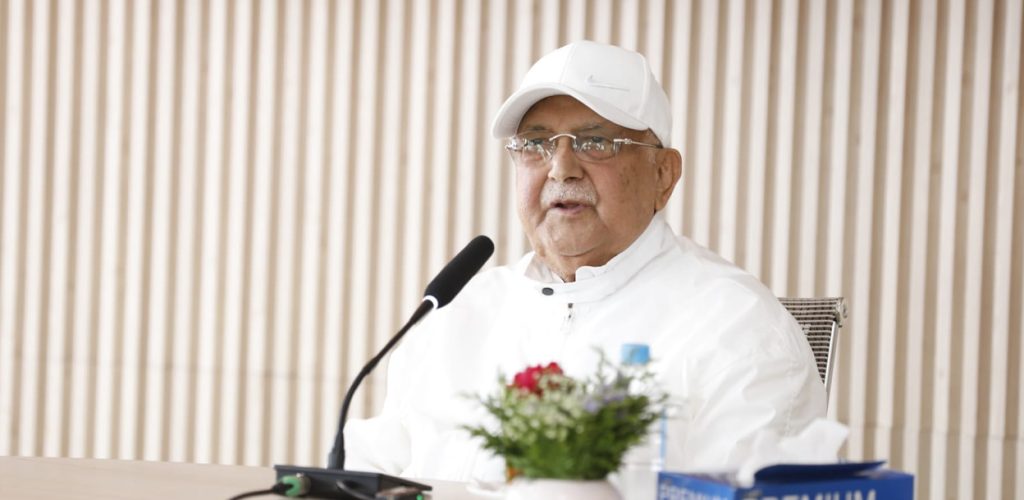
Addressing a meeting of the All Nepal Peasants’ Federation in Kathmandu on Sunday, he said he and his colleagues had to leave the government after rioters rendered the state’s mechanisms inactive and ineffective. Oli also remarked that there had been no impartial investigation into the events that took place during the Gen Z movement.
He alleged that the government-formed investigation commission and the National Human Rights Commission, instead of impartially probing the looting and arson during the movement, were driven by a motive to blame him and his colleagues.
“We have been pushed out now, but not through a democratic route. We were removed from the government through force, arson and looting, after the state’s mechanisms became inactive and ineffective. They took control by getting people killed. Who killed the people? Who fired the shots? Commissions were formed, and the permanent Human Rights Commission is there too. In reality, no investigation was carried out. Perhaps the commissions never intended to investigate. The aim was to blame KP Oli,” Oli said.
He also objected to the Human Rights Commission’s conclusion that the then communications minister should face action over the attempt to regulate foreign social media companies.
Oli also criticised the Supreme Court for delaying its verdict on the case related to the dissolved House of Representatives.
“The commissions themselves have concluded that no order to shoot was given. Neither the prime minister nor the home minister gave such an order. Moreover, Italy has now fined Meta billions of rupees for operating irregularly and for defamation. When companies here refuse to follow the rules and say they do not recognise the state or the law,” Oli said, “when they say ‘I don’t recognise your constitution, I don’t recognise your government,’ we had decided to shut them down. And yet the Human Rights Commission concludes that the then communications minister should face action for trying to regulate foreign businesses.”